Vendi le tue opere
x
Anteprima in scala realeAnteprima in scala reale Anteprima ARAnteprima AR Acquista stampa Acquista stampaAcquista immagine Acquista immagine InviaInvia
Dettagli operaDettagli opera Aggiungi ai preferiti Aggiungi ai preferiti Scarica immagineScarica immagine SimiliSimili RadiografiaRadiografia SlideshowSlideshow


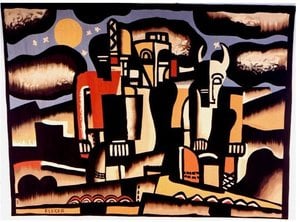
The disc

Explore Fernand Léger’s striking cubist portrait ‘The Disc,’ capturing the raw energy of industrial influence through bold reds and yellows against a textured background – an unforgettable piece from 1918, perfect for enriching your art collection.

Esplora l'arte di Fernand Léger (1881-1955), un pioniere del Cubismo e della 'Tubismo'. Scopri i suoi audaci dipinti figurativi che celebrano la vita moderna, le macchine e la forma umana. Un precursore del Pop Art!

Riproduzione a olio fatta a mano

Olio su tela dipinto a mano nelle tue dimensioni e con la tua cornice, realizzato su ordinazione dai nostri artisti. (Acquista stampa Acquista stampaAcquista immagine Acquista immagine)

P118B $10
P118H $10
P118W $10
P438Z $10
P508JH $12
P508YH $12
P805H $10
P805Z $10
P919BZ $10
P919G $10
P919XJ $10
P959ZH $10
P968JZ $12
W106C $8
W218G $10
W218JH $8
W218Y $10
W307PJ $10
W316G $10
W316PJ $8
W316Y $10
W398PJ $8
W4111J $10
W500HY $15
W500JH $15
W692G $12
W849H $8
W940BG $15
W953PJ $8

Standard
custom
CM
INCH

Scegli tra le nostre dimensioni predefinite, che rispettano le proporzioni originali dell'opera d'arte.

larghezza
altezza

È possibile inserire dimensioni personalizzate per adattare l'opera a una cornice o a uno spazio specifico. Se la dimensione selezionata non corrisponde alle proporzioni dell'immagine originale, provvederemo a ritagliare l'opera o a estendere il dipinto con elementi aggiuntivi dipinti a mano. Un mockup digitale ti sarà inviato per approvazione prima dell'inizio della produzione.
Si prega di notare che l'anteprima a schermo non riflette il ritaglio o l'estensione effettivi. Solo il mockup mostrerà accuratamente la composizione finale.
Sebbene siano disponibili dimensioni personalizzate, consigliamo di selezionare una dimensione dall'elenco predefinito per preservare le proporzioni originali.

Esempi di ciò che può essere modificato: sostituire il volto con una foto del cliente; aggiungere un animale domestico (ad esempio, sostituire un gatto con un cane); inserire un messaggio nascosto nello sfondo; cambiare il paesaggio o gli elementi dello sfondo.
Dopo l'ordine, il team di WahooArt.com contatterà il cliente via e-mail per le istruzioni e fornirà un'anteprima del mockup

Consegna in tutto il mondo () in 3/4 settimane anziché nelle normali 5 settimane. (23 Agosto). Nessun compromesso sulla qualità.

why_choose_icon
Spedizione espressa gratuita in tutto il mondo
why_choose_icon
Tela in lino di alta qualità
why_choose_icon
Assicurazione completa sulla spedizione
why_choose_icon
Garanzia di rimborso dei dazi doganali
why_choose_icon
Garanzia di fedeltà cromatica
why_choose_icon
Politica di reso entro 60 giorni (solo per difetti di fabbricazione)
why_choose_icon
Garanzia di rimborso al 100%
why_choose_icon
Offerta per acquisti multipli

Prezzo totale

$ 272

reproduction

The disc

Tecnica di riproduzione

Dimensioni riproduzione

-

Prezzo totale calcolato

$ 272

Informazioni rapide

  • Medium: Oil on canvas
  • Title: The disc
  • Movement: Cubism
  • Year: 1918
  • Artistic style: Analytical Cubism
  • Influences: Georges Braque
  • Location: Private Collection

Quiz d'arte

Per ogni domanda è presente una sola risposta corretta.

Domanda 1:
In what year was Fernand Léger's 'The Disc' painted?
Domanda 2:
Which artistic movement's principles did Léger apply in 'The Disc' to present multiple viewpoints simultaneously?
Domanda 3:
What is the primary color scheme used in the background and composition of this painting?
Domanda 4:
What historical event's aftermath is reflected in the psychological tension of this artwork?
Domanda 5:
Léger's technique in this piece involves using geometric forms to mirror what aspect of the era?

Descrizione dell'opera

A Manifesto in Crimson: The Soul of Fernand Léger’s “The Disc”

In the vibrant landscape of early twentieth-century modernism, few artists captured the rhythmic pulse of the machine age as effectively as Fernand Léger. His 1918 masterpiece, “The Disc,” stands not merely as a portrait of a human face, but as a profound manifesto of a burgeoning movement. Created during the tumultuous years following the devastation of World War I, this artwork embodies Léger's distinctive approach to capturing the transformative influence of industrialization on the human experience. It is an aesthetic philosophy that distinguishes him from many of his contemporaries who sought refuge in pure abstraction; instead, Lélyer chose to integrate modernity—its dynamism, its mechanical forms, and its very essence—into a new visual language that remains as striking today as it was a century ago.

The painting presents a simplified, almost architectural portrait of a man’s face set against a breathtakingly intense crimson backdrop. Léger deliberately eschewed the soft anatomical realism of the past, opting instead for geometric forms and fractured perspectives to convey the true essence of his subject. This compositional strategy mirrors the fragmented realities perceived through the lens of technological advancement, where individual elements are viewed in relation to larger, interconnected systems. Within this scarlet orbit, the artist employs a technique often referred to as “Tubism,” utilizing bold outlines and cylindrical, volumetric forms that lend a palpable sense of weight and solidity to the canvas. The interplay between the deep, emotive red and the bright yellows creates a visual tension that is both stimulating and harmonious, drawing the eye into a dance of primary colors.

The Geometry of Resilience and Modernity

To gaze upon “The Disc” is to witness a masterclass in Cubist principles. Léger dismantates traditional representation, presenting multiple viewpoints simultaneously within a single frame. This layering of planes and textures serves a purpose far greater than mere stylistic flourish; it communicates the inherent dynamism of a mechanized world. The man's face, depicted from various angles, creates an intriguing visual effect that suggests movement even within the stillness of the paint. For the collector or interior designer, this piece offers a commanding presence, acting as a focal point that injects energy and structural precision into any space.

Beyond its technical brilliance, the historical context of the work adds a layer of poignant symbolism. Painted in the wake of the Great War, “The Disc” speaks directly to the psychological impact of conflict on the human psyche. Yet, Léger’s response was not one of despair or mourning. Instead, he envisioned a future shaped by innovation and resilience. The painting reflects a broader cultural preoccupation with rebuilding society amidst technological upheaval, finding beauty in the strength and geometry of the new age. It is an invitation to embrace the bold, the structural, and the vibrant, making it an enduring inspiration for those who find beauty in the intersection of humanity and the industrial spirit.


Biografia dell'artista

vitae e formazione

Fernand Léger, pittore, scultore e filmmaker francese, nacque il 4 febbraio 1881 ad Argentan, Orne, nella bassa Normandia. Suo padre allevava bovini e Léger iniziò la sua formazione come architetto nel 1897-1899. Successivamente si trasferì a Parigi nel 1900, sostenendosi con il lavoro di disegnatore architettonico.

sviluppo artistico

Le prime opere di Léger furono influenzate dall'impressionismo, come visto in Le jardin de ma mère (Il giardino di mia madre) (1905). Dopo aver frequentato la scuola d'arte decorativa e l'Académie Julian, iniziò a lavorare seriamente come pittore a 25 anni. Il suo stile si evolse in una forma personale di cubismo, che i critici definirono "tubismo" per la sua enfasi su forme cilindriche.

Cubismo e il gruppo dei Puteaux

Nel 1910, Léger espose al Salon d'automne insieme a Jean Metzinger e Henri Le Fauconnier. Entrò nel gruppo dei Puteaux, noto anche come la sezione d'or (la sezione aurea), insieme ad altri artisti come Francis Picabia e Marcel Duchamp.

Guerra e la sua influenza sull'opera di Léger

Le esperienze di Léger nella Prima Guerra Mondiale ebbero un impatto significativo sulla sua opera. Durante il suo tempo al fronte, produsse schizzi di pezzi d'artiglieria, aerei e soldati. Il suo dipinto Soldier with a Pipe (1916) riflette questo periodo.

Lavoro successivo e eredità

Il lavoro post-bellico di Léger, caratterizzato da forme meccaniche lisce, lo legò alla tradizione della pittura figurativa francese. I suoi paesaggi animati del 1921 mostrarono figure e animali in forme armoniose e razionalizzate. opere chiave: musei che espongono le opere di Léger:
Fernand Léger

Fernand Léger

1881 - 1955 , Francia

Dati rapidi

  • Artisti Influenti:
    • Cézanne
    • Impressionismo
  • Artisti Influenzati: ['Pop Art']
  • Data Di Nascita: 4 febbraio 1881
  • Luogo Di Nascita: Argentan, Francia
  • Movimento Artistico: Cubismo, Tubismo
  • Nazionalità: Francese
  • Nome Completo: Fernand Léger
  • Opere Notevoli:
    • La Grande Parata
    • L'Elemento Macchina
    • Donna Seduta
    • The City
Esplora le opere d'arte organizzate per temi, stili e caratteristiche.