CONSULENZA D'ARTE GRATUITA

x
Acquista stampa Acquista stampaAcquista download Acquista download InviaInvia
DettagliDettagli Aggiungi ai preferiti Aggiungi ai preferiti ScaricaScarica SimiliSimili RadiografiaRadiografia SlideshowSlideshow

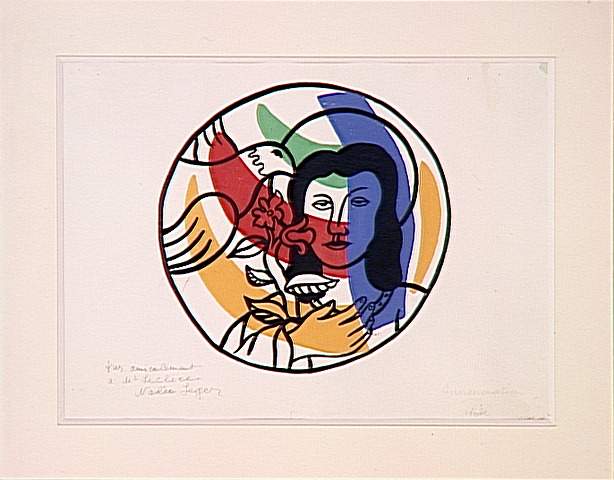
The Annunciation

Fernand Léger’s ‘The Annunciation’ presents a strikingly modern interpretation of the classic biblical scene with dynamic forms and symbolic details. This 1950s artwork captures the spirit of the machine age through bold abstraction, inviting you to discover this unique piece.

Esplora l'arte di Fernand Léger (1881-1955), un pioniere del Cubismo e della 'Tubismo'. Scopri i suoi audaci dipinti figurativi che celebrano la vita moderna, le macchine e la forma umana. Un precursore del Pop Art!

Riproduzione a olio fatta a mano

Olio su tela dipinto a mano nelle tue dimensioni e con la tua cornice, realizzato su ordinazione dai nostri artisti.

P118B $10
P118H $10
P118W $10
P438Z $10
P508JH $12
P508YH $12
P805H $10
P805Z $10
P919BZ $10
P919G $10
P919XJ $10
P959ZH $10
P968JZ $12
W106C $8
W218G $10
W218JH $8
W218Y $10
W307PJ $10
W316G $10
W316PJ $8
W316Y $10
W398PJ $8
W4111J $10
W500HY $15
W500JH $15
W692G $12
W849H $8
W940BG $15
W953PJ $8

Standard
custom
CM
INCH

Scegli tra le nostre dimensioni predefinite, che rispettano le proporzioni originali dell'opera d'arte.

larghezza
altezza

È possibile inserire dimensioni personalizzate per adattare l'opera a una cornice o a uno spazio specifico. Se la dimensione selezionata non corrisponde alle proporzioni dell'immagine originale, provvederemo a ritagliare l'opera o a estendere il dipinto con elementi aggiuntivi dipinti a mano. Un mockup digitale ti sarà inviato per approvazione prima dell'inizio della produzione.
Si prega di notare che l'anteprima a schermo non riflette il ritaglio o l'estensione effettivi. Solo il mockup mostrerà accuratamente la composizione finale.
Sebbene siano disponibili dimensioni personalizzate, consigliamo di selezionare una dimensione dall'elenco predefinito per preservare le proporzioni originali.

Esempi di modifiche possibili: sostituire il volto con una foto del cliente; aggiungere un animale domestico (ad esempio, sostituire un gatto con un cane); inserire un messaggio nascosto sullo sfondo; modificare il paesaggio o gli elementi dello sfondo.
Dopo l'ordine, il team di WahooArt.com invierà un'e-mail al cliente per le istruzioni e fornirà un'anteprima del mockup

Consegna in tutto il mondo () in 3/4 settimane anziché nelle normali 5 settimane. (3 Luglio). Nessun compromesso sulla qualità.

why_choose_icon
Spedizione espressa gratuita in tutto il mondo

why_choose_icon
Tela in lino di alta qualità
why_choose_icon
Assicurazione completa sulla spedizione
why_choose_icon
Garanzia di rimborso dei dazi doganali
why_choose_icon
Garanzia di fedeltà cromatica
why_choose_icon
Politica di reso entro 60 giorni (solo per difetti)
why_choose_icon
Garanzia di rimborso al 100%
why_choose_icon
Sconto per acquisti multipli

Prezzo totale

-

reproduction

The Annunciation

Tecnica di riproduzione

Dimensioni riproduzione

-

Prezzo totale finale

-

Informazioni rapide

  • Influences: Georges Braque
  • Movement: Cubism
  • Artistic style: Naive Art
  • Medium: Oil on Canvas
  • Notable elements or techniques: Tubism, Geometric abstraction
  • Title: The Annunciation
  • Subject or theme: Religious Iconography

Quiz d'arte

Per ogni domanda è presente una sola risposta corretta.

Domanda 1:
What artistic style is Fernand Léger’s ‘The Annunciation’ primarily associated with?
Domanda 2:
The painting depicts a biblical scene featuring Mary receiving news from the angel Gabriel. What is this event known as?
Domanda 3:
What prominent symbol appears in the image, representing time and its influence on human experience?
Domanda 4:
Fernand Léger’s approach to portraying modern life differed from many of his contemporaries. How did he characterize his artistic vision?
Domanda 5:
What is the dominant color scheme used in ‘The Annunciation’?

Descrizione dell'opera

A Moment of Divine Revelation: Léger's "The Annunciation"

Fernand Léger’s “The Annunciation,” rendered in a striking 52 x 40 cm format, offers a uniquely modern interpretation of a timeless biblical narrative. This artwork transcends the traditional devotional painting, presenting a dynamic and powerfully abstracted depiction of the angel Gabriel's announcement to Mary – a moment pregnant with spiritual significance and imbued with Léger’s signature fascination for the geometry of industrial forms. Dating from an unknown period within his prolific career (1881-1955), the piece exemplifies Léger’s revolutionary approach, blending elements of Cubism with a deeply felt connection to the natural world.

  • Subject Matter: The Annunciation – the pivotal moment when the angel Gabriel reveals to Mary that she will conceive and bear the Son of God.
  • Style: Léger’s distinctive “Tubism” is immediately apparent, characterized by fragmented forms, geometric shapes, and a deliberate flattening of perspective. While retaining recognizable figures—a woman holding a child and an angel with expansive wings – they are rendered through a vocabulary of interlocking planes and angular lines.
  • Technique: Executed in oil on canvas, the painting showcases Léger’s meticulous brushwork and his masterful control of color. The palette is dominated by blues and earthy tones, creating a sense of both serenity and underlying tension.

Decoding the Symbolism

Beyond its formal qualities, “The Annunciation” is rich in symbolic meaning, reflecting Léger’s broader concerns about humanity's relationship with technology and the natural world. The central figures – the woman representing Mary and the angel embodying divine grace – are presented not as idealized representations but as constructed forms, echoing the machine-like structures that Léger admired. The inclusion of birds, scattered throughout the composition, adds another layer of interpretation, perhaps symbolizing freedom, spirituality, or the connection between earthly and heavenly realms. Notably, a clock is positioned near the top right corner, a recurring motif in Léger’s work, serving as a visual reminder of time's relentless passage and the significance of this historical moment. The other three figures add to the complexity of the scene, possibly representing humanity's role within this divine narrative.

Historical Context & Léger’s Vision

Created during a period of rapid industrialization and social change in early 20th-century France, “The Annunciation” reflects Léger’s broader artistic project – to capture the spirit of modernity. He rejected the prevailing trend towards pure abstraction, arguing that artists should engage with the tangible realities of their time, particularly the impact of machines on human life. Léger believed in a synthesis of form and function, seeking to find beauty and harmony within the seemingly chaotic world of industry. This piece stands as a testament to his belief that even sacred narratives could be reinterpreted through a distinctly modern lens.

Emotional Impact & Artistic Value

“The Annunciation” is more than just a beautiful artwork; it’s an invitation to contemplate profound questions about faith, humanity, and the relationship between art and technology. Léger's bold use of form and color creates a powerful emotional impact, drawing the viewer into the scene and prompting reflection on its symbolic layers. This hand-painted reproduction offers a unique opportunity to own a piece of art history – a testament to Fernand Léger’s genius and his enduring vision of a world transformed by modernity. Its size (52 x 40 cm) makes it suitable for a variety of interior design settings, from contemporary living rooms to art galleries.


Biografia dell'artista

vitae e formazione

Fernand Léger, pittore, scultore e filmmaker francese, nacque il 4 febbraio 1881 ad Argentan, Orne, nella bassa Normandia. Suo padre allevava bovini e Léger iniziò la sua formazione come architetto nel 1897-1899. Successivamente si trasferì a Parigi nel 1900, sostenendosi con il lavoro di disegnatore architettonico.

sviluppo artistico

Le prime opere di Léger furono influenzate dall'impressionismo, come visto in Le jardin de ma mère (Il giardino di mia madre) (1905). Dopo aver frequentato la scuola d'arte decorativa e l'Académie Julian, iniziò a lavorare seriamente come pittore a 25 anni. Il suo stile si evolse in una forma personale di cubismo, che i critici definirono "tubismo" per la sua enfasi su forme cilindriche.

Cubismo e il gruppo dei Puteaux

Nel 1910, Léger espose al Salon d'automne insieme a Jean Metzinger e Henri Le Fauconnier. Entrò nel gruppo dei Puteaux, noto anche come la sezione d'or (la sezione aurea), insieme ad altri artisti come Francis Picabia e Marcel Duchamp.

Guerra e la sua influenza sull'opera di Léger

Le esperienze di Léger nella Prima Guerra Mondiale ebbero un impatto significativo sulla sua opera. Durante il suo tempo al fronte, produsse schizzi di pezzi d'artiglieria, aerei e soldati. Il suo dipinto Soldier with a Pipe (1916) riflette questo periodo.

Lavoro successivo e eredità

Il lavoro post-bellico di Léger, caratterizzato da forme meccaniche lisce, lo legò alla tradizione della pittura figurativa francese. I suoi paesaggi animati del 1921 mostrarono figure e animali in forme armoniose e razionalizzate. opere chiave: musei che espongono le opere di Léger:
Fernand Léger

Fernand Léger

1881 - 1955 , Francia

Dati rapidi

  • Artisti Influenti:
    • Cézanne
    • Impressionismo
  • Artisti Influenzati: ['Pop Art']
  • Data Di Nascita: 4 febbraio 1881
  • Luogo Di Nascita: Argentan, Francia
  • Movimento Artistico: Cubismo, Tubismo
  • Nazionalità: Francese
  • Nome Completo: Fernand Léger
  • Opere Notevoli:
    • La Grande Parata
    • L'Elemento Macchina
    • Donna Seduta
    • The City
Esplora opere d'arte organizzate per temi, stili e caratteristiche.