Vendi le tue opere
x
Anteprima in scala realeAnteprima in scala reale Anteprima in ARAnteprima in AR Ordina la riproduzione dipinta a mano Ordina la riproduzione dipinta a manoAcquista download Acquista download CondividiCondividi
DettagliDettagli Aggiungi ai preferiti Aggiungi ai preferiti Scarica immagineScarica immagine Articoli similiArticoli simili RadiografiaRadiografia SlideshowSlideshow

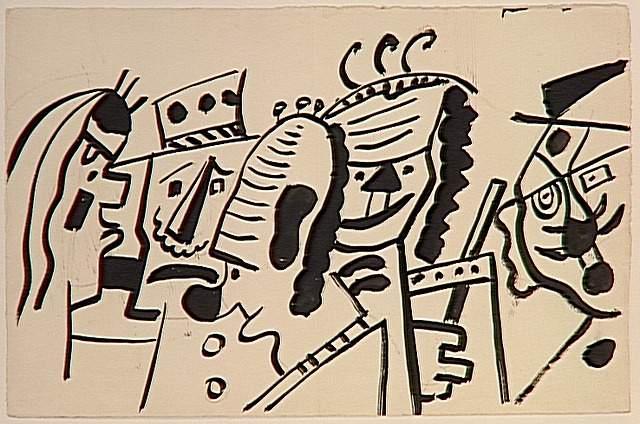
Study for the circus, the clowns

Fernand Léger’s striking Study for the circus captures the tension between tradition and innovation through stylized figures wielding weapons against a stark geometric backdrop—a cornerstone of Naïve Art exploring industrial progress.

Esplora l'arte di Fernand Léger (1881-1955), un pioniere del Cubismo e della 'Tubismo'. Scopri i suoi audaci dipinti figurativi che celebrano la vita moderna, le macchine e la forma umana. Un precursore del Pop Art!

Giclée / Stampe d'arte

Stampa giclée o su tela di qualità museale, con produzione rapida e diverse opzioni di finitura. (Ordina la riproduzione dipinta a mano Ordina la riproduzione dipinta a manoAcquista download Acquista download)

P118B $10
P118H $10
P118W $10
P438Z $10
P508JH $12
P508YH $12
P805H $10
P805Z $10
P919BZ $10
P919G $10
P919XJ $10
P959ZH $10
P968JZ $12
W106C $8
W218G $10
W218JH $8
W218Y $10
W307PJ $10
W316G $10
W316PJ $8
W316Y $10
W398PJ $8
W4111J $10
W500HY $15
W500JH $15
W692G $12
W849H $8
W940BG $15
W953PJ $8

Standard
custom
CM
INCH

Scegli tra le nostre dimensioni predefinite, che rispettano le proporzioni originali dell'opera d'arte.

larghezza
altezza

È possibile inserire dimensioni personalizzate per adattare l'opera a una cornice o a uno spazio specifico. Se la dimensione selezionata non corrisponde alle proporzioni dell'immagine originale, procederemo al ritaglio dell'opera o all'estensione dell'immagine con un bordo specchiato o a tinta unita. Un mockup digitale ti verrà inviato per approvazione prima dell'inizio della produzione.
Si prega di notare che l'anteprima a schermo non riflette il ritaglio o l'estensione effettivi. Solo il mockup mostrerà accuratamente la composizione finale.
Sebbene siano disponibili dimensioni personalizzate, si raccomanda di selezionare una dimensione dall'elenco predefinito per preservare le proporzioni originali.

Consegna in tutto il mondo () in 2 settimane invece delle normali 4/5 settimane. (15 Agosto)

why_choose_icon
Spedizione espressa gratuita in tutto il mondo

why_choose_icon
Tela in lino di alta qualità
why_choose_icon
Assicurazione completa sulla spedizione
why_choose_icon
Garanzia di rimborso dei dazi doganali
why_choose_icon
Garanzia di fedeltà cromatica dell'originale
why_choose_icon
Politica di reso entro 60 giorni (solo per difetti di fabbricazione)
why_choose_icon
Garanzia di rimborso al 100%
why_choose_icon
Sconto per acquisti multipli

Prezzo totale

$ 68

reproduction

Study for the circus, the clowns

Giclée / Stampe d'arte

Dimensioni della riproduzione

-

Prezzo totale

$ 68

Dettagli rapidi

  • Artistic style: Tubism
  • Movement: Cubism
  • Location: Musee National Fernand Leger, Biot, France
  • Subject or theme: Circus scene; Clown figures
  • Medium: Ink on paper
  • Notable elements or techniques: Linear abstraction; Mechanical forms
  • Dimensions: 42 x 64 cm

Quiz d'arte

Per ogni domanda è presente una sola risposta corretta.

Domanda 1:
What artistic movement is Fernand Léger’s ‘Study for the circus, the clowns’ primarily associated with?
Domanda 2:
The image description highlights a prominent element in the drawing – what is it?
Domanda 3:
What stylistic characteristic contributes to the overall feeling of tension conveyed by Léger’s artwork?
Domanda 4:
According to the research material, Fernand Léger's artistic vision was shaped by his early life experience in what environment?
Domanda 5:
What is the primary focus of Léger’s approach to art, as described in the biographical information?

Descrizione del pezzo

A Study in Mechanical Grace: Exploring Fernand Léger’s “Study for the Circus, the Clowns”

Fernand Léger's "Study for the circus, the clowns" stands as a cornerstone of Naïve Art (Primitivism), offering a singular glimpse into the artist’s fascination with both the dynamism of modern life and the fundamental principles of form. Created sometime around 1920-1930, this deceptively simple black and white drawing transcends mere representation, embodying Léger's revolutionary vision for capturing the essence of an era defined by industrial progress and burgeoning anxieties about societal transformation. The artwork’s enduring appeal lies not only in its striking visual aesthetic but also in its profound exploration of artistic innovation and psychological resonance.

Composition and Technique: Embracing Geometric Precision

Executed with meticulous attention to detail—despite Léger's characteristic rejection of elaborate ornamentation—the drawing utilizes a masterful command of linear perspective and geometric abstraction. Léger’s technique prioritizes clarity and directness, employing bold black lines against a stark white background to delineate figures and architectural elements. This deliberate simplification isn’t merely stylistic; it reflects Léger’s belief that art should distill complex ideas into their most fundamental components—a principle deeply rooted in his engagement with Cubism and its exploration of fractured viewpoints. The placement of the three umbrellas adds an element of visual interest, subtly disrupting the rigid geometry while simultaneously reinforcing the overarching theme of movement and instability.

Symbolism Within Minimalism: The Circus as Metaphor for Progress

The circus itself served as a powerful symbol for Léger—a spectacle that juxtaposed tradition with innovation, highlighting the tension between human experience and technological advancement. Léger’s depiction captures this duality through stylized figures wielding weapons – guns – representing both potential violence and defense against perceived threats. The umbrellas symbolize protection from uncertainty and disruption, mirroring the anxieties prevalent during the interwar period as societies grappled with rapid industrialization and social upheaval. Léger's deliberate use of geometric forms isn’t simply decorative; it embodies a conceptual framework that seeks to convey an emotional response to the world around him—a reaction informed by his formative years spent observing the rhythms of rural life alongside the burgeoning factories of Paris.

Historical Context and Artistic Legacy

“Study for the circus, the clowns” emerged during Léger’s pivotal period of artistic experimentation, coinciding with his embrace of Tubism—a further refinement of Cubist principles that emphasized rhythmic repetition and geometric abstraction. This style aligns seamlessly with the broader artistic currents of the time, reflecting a desire to communicate complex ideas through simplified visual language. Léger's influence extends far beyond his immediate contemporaries, foreshadowing elements of Pop Art’s embrace of vernacular imagery and its celebration of everyday life—a testament to his enduring contribution to the history of modern art. The drawing remains an exemplary demonstration of how artistic innovation can simultaneously convey both intellectual rigor and emotional depth.

Emotional Impact: A Quiet Assertion of Form

Despite its apparent austerity, “Study for the circus, the clowns” possesses a palpable energy—a subtle tremor conveyed through Léger’s confident lines and masterful control of composition. The drawing invites contemplation on themes of vulnerability and resilience, mirroring the human condition amidst societal change. It's a piece that speaks to the viewer not with grand pronouncements but with understated conviction—a quiet assertion of form as a vehicle for expressing profound psychological insight. Léger’s enduring legacy resides in his ability to transform seemingly simple materials into powerful statements about art and its role in capturing the spirit of an era.

Biografia dell'artista

vitae e formazione

Fernand Léger, pittore, scultore e filmmaker francese, nacque il 4 febbraio 1881 ad Argentan, Orne, nella bassa Normandia. Suo padre allevava bovini e Léger iniziò la sua formazione come architetto nel 1897-1899. Successivamente si trasferì a Parigi nel 1900, sostenendosi con il lavoro di disegnatore architettonico.

sviluppo artistico

Le prime opere di Léger furono influenzate dall'impressionismo, come visto in Le jardin de ma mère (Il giardino di mia madre) (1905). Dopo aver frequentato la scuola d'arte decorativa e l'Académie Julian, iniziò a lavorare seriamente come pittore a 25 anni. Il suo stile si evolse in una forma personale di cubismo, che i critici definirono "tubismo" per la sua enfasi su forme cilindriche.

Cubismo e il gruppo dei Puteaux

Nel 1910, Léger espose al Salon d'automne insieme a Jean Metzinger e Henri Le Fauconnier. Entrò nel gruppo dei Puteaux, noto anche come la sezione d'or (la sezione aurea), insieme ad altri artisti come Francis Picabia e Marcel Duchamp.

Guerra e la sua influenza sull'opera di Léger

Le esperienze di Léger nella Prima Guerra Mondiale ebbero un impatto significativo sulla sua opera. Durante il suo tempo al fronte, produsse schizzi di pezzi d'artiglieria, aerei e soldati. Il suo dipinto Soldier with a Pipe (1916) riflette questo periodo.

Lavoro successivo e eredità

Il lavoro post-bellico di Léger, caratterizzato da forme meccaniche lisce, lo legò alla tradizione della pittura figurativa francese. I suoi paesaggi animati del 1921 mostrarono figure e animali in forme armoniose e razionalizzate. opere chiave: musei che espongono le opere di Léger:
Fernand Léger

Fernand Léger

1881 - 1955 , Francia

Informazioni rapide

  • Artisti Influenti:
    • Cézanne
    • Impressionismo
  • Artisti Influenzati: ['Pop Art']
  • Data Di Nascita: 4 febbraio 1881
  • Luogo Di Nascita: Argentan, Francia
  • Movimento Artistico: Cubismo, Tubismo
  • Nazionalità: Francese
  • Nome Completo: Fernand Léger
  • Opere Notevoli:
    • La Grande Parata
    • L'Elemento Macchina
    • Donna Seduta
    • The City
Esplora le opere d'arte organizzate per temi, stili e caratteristiche.