CONSULENZA D'ARTE GRATUITA

x
Acquista stampa Acquista stampaAcquista download Acquista download InviaInvia
DettagliDettagli Aggiungi ai preferiti Aggiungi ai preferiti ScaricaScarica SimiliSimili RadiografiaRadiografia SlideshowSlideshow

Postcard

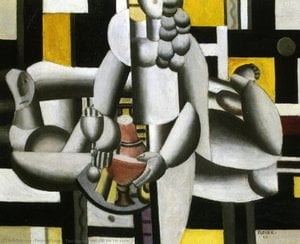
Explore Fernand Léger’s vibrant ‘Postcard,’ a captivating depiction of three women surrounded by birds and botanical elements—a bold fusion of abstraction and observation emblematic of the early 20th century's machine aesthetic. Discover this stunning reproduction and bring Léger’s artistic vision home.

Esplora l'arte di Fernand Léger (1881-1955), un pioniere del Cubismo e della 'Tubismo'. Scopri i suoi audaci dipinti figurativi che celebrano la vita moderna, le macchine e la forma umana. Un precursore del Pop Art!

Riproduzione a olio fatta a mano

Olio su tela dipinto a mano nelle tue dimensioni e con la tua cornice, realizzato su ordinazione dai nostri artisti.

P118B $10
P118H $10
P118W $10
P438Z $10
P508JH $12
P508YH $12
P805H $10
P805Z $10
P919BZ $10
P919G $10
P919XJ $10
P959ZH $10
P968JZ $12
W106C $8
W218G $10
W218JH $8
W218Y $10
W307PJ $10
W316G $10
W316PJ $8
W316Y $10
W398PJ $8
W4111J $10
W500HY $15
W500JH $15
W692G $12
W849H $8
W940BG $15
W953PJ $8

Standard
custom
CM
INCH

Scegli tra le nostre dimensioni predefinite, che rispettano le proporzioni originali dell'opera d'arte.

larghezza
altezza

È possibile inserire dimensioni personalizzate per adattare l'opera a una cornice o a uno spazio specifico. Se la dimensione selezionata non corrisponde alle proporzioni dell'immagine originale, provvederemo a ritagliare l'opera o a estendere il dipinto con elementi aggiuntivi dipinti a mano. Un mockup digitale ti sarà inviato per approvazione prima dell'inizio della produzione.
Si prega di notare che l'anteprima a schermo non riflette il ritaglio o l'estensione effettivi. Solo il mockup mostrerà accuratamente la composizione finale.
Sebbene siano disponibili dimensioni personalizzate, consigliamo di selezionare una dimensione dall'elenco predefinito per preservare le proporzioni originali.

Esempi di modifiche possibili: sostituire il volto con una foto del cliente; aggiungere un animale domestico (ad esempio, sostituire un gatto con un cane); inserire un messaggio nascosto sullo sfondo; modificare il paesaggio o gli elementi dello sfondo.
Dopo l'ordine, il team di WahooArt.com invierà un'e-mail al cliente per le istruzioni e fornirà un'anteprima del mockup

Consegna in tutto il mondo () in 3/4 settimane anziché nelle normali 5 settimane. (2 Luglio). Nessun compromesso sulla qualità.

why_choose_icon
Spedizione espressa gratuita in tutto il mondo

why_choose_icon
Tela in lino di alta qualità
why_choose_icon
Assicurazione completa sulla spedizione
why_choose_icon
Garanzia di rimborso dei dazi doganali
why_choose_icon
Garanzia di fedeltà cromatica
why_choose_icon
Politica di reso entro 60 giorni (solo per difetti)
why_choose_icon
Garanzia di rimborso al 100%
why_choose_icon
Sconto per acquisti multipli

Prezzo totale

-

reproduction

Postcard

Tecnica di riproduzione

Dimensioni riproduzione

-

Prezzo totale finale

-

Informazioni rapide

  • Artistic style: Constructivist
  • Notable elements or techniques: Geometric abstraction; Mechanical forms
  • Medium: Painting
  • Artist: Fernand Léger
  • Influences: Georges Braque
  • Subject or theme: Women; Birds; Clock; Plant

Descrizione dell'opera

A Symphony of Form and Color: Exploring Fernand Léger’s “Postcard”

Fernand Léger's "Postcard" isn’t merely a depiction of three women holding books; it’s an ambitious statement about the intersection of tradition and technological advancement—a characteristic hallmark of Léger’s artistic philosophy. Painted sometime between 1925 and 1930, during his peak creative period in Paris, this artwork exemplifies Léger's distinctive approach to abstraction, rejecting the purely conceptual concerns prevalent in some circles of the time while simultaneously embracing the geometric precision of machine aesthetics.
  • Subject Matter: The central figures—three women—are presented against a backdrop that subtly incorporates elements of nature and industry. Their posture exudes calm contemplation as they engage with literature, suggesting an appreciation for intellectual pursuits amidst the burgeoning pace of modern life.
  • Style & Technique: Léger’s style is undeniably geometric, prioritizing simplified forms and bold color palettes. The painting utilizes a Cubist influence—particularly evident in the fragmented perspectives of the women—but transcends mere stylistic imitation. Instead, Léger employs a technique that blends tonal modulation with vibrant hues, creating an illusionistic depth that defies conventional representation.
The inclusion of birds and a potted plant introduces elements of organic beauty into this otherwise mechanized composition. These seemingly incongruous additions serve as powerful symbols—the birds representing freedom and aspiration, mirroring Léger’s own desire to liberate art from the constraints of realism. Simultaneously, the plant embodies resilience and growth, hinting at the enduring power of nature even within an industrial landscape. The clock positioned prominently in the upper center reinforces the theme of time – a constant presence shaping both human experience and artistic endeavor. Historical Context: Léger’s work emerged during the interwar years—a period marked by rapid urbanization, technological innovation, and anxieties about societal transformation. He was deeply influenced by Futurism, albeit rejecting its glorification of speed and violence. Instead, Léger sought to capture the essence of the machine age not as an end in itself but as a catalyst for artistic exploration. His aim wasn’t to depict machines objectively; rather, he aimed to distill their underlying principles—the repetition of forms, the rhythmic movement—into visual metaphors. Emotional Impact: “Postcard” transcends mere visual pleasure. It evokes a feeling of quiet optimism—a belief in progress tempered by an awareness of beauty and contemplation. Léger’s masterful use of color and form invites viewers to engage with the artwork on both intellectual and emotional levels, prompting reflection on how art can communicate complex ideas about humanity's relationship with its environment and technological advancements. It’s a piece that speaks to the enduring human desire for harmony between innovation and tradition—a sentiment powerfully conveyed through Léger’s distinctive artistic vision.

Biografia dell'artista

vitae e formazione

Fernand Léger, pittore, scultore e filmmaker francese, nacque il 4 febbraio 1881 ad Argentan, Orne, nella bassa Normandia. Suo padre allevava bovini e Léger iniziò la sua formazione come architetto nel 1897-1899. Successivamente si trasferì a Parigi nel 1900, sostenendosi con il lavoro di disegnatore architettonico.

sviluppo artistico

Le prime opere di Léger furono influenzate dall'impressionismo, come visto in Le jardin de ma mère (Il giardino di mia madre) (1905). Dopo aver frequentato la scuola d'arte decorativa e l'Académie Julian, iniziò a lavorare seriamente come pittore a 25 anni. Il suo stile si evolse in una forma personale di cubismo, che i critici definirono "tubismo" per la sua enfasi su forme cilindriche.

Cubismo e il gruppo dei Puteaux

Nel 1910, Léger espose al Salon d'automne insieme a Jean Metzinger e Henri Le Fauconnier. Entrò nel gruppo dei Puteaux, noto anche come la sezione d'or (la sezione aurea), insieme ad altri artisti come Francis Picabia e Marcel Duchamp.

Guerra e la sua influenza sull'opera di Léger

Le esperienze di Léger nella Prima Guerra Mondiale ebbero un impatto significativo sulla sua opera. Durante il suo tempo al fronte, produsse schizzi di pezzi d'artiglieria, aerei e soldati. Il suo dipinto Soldier with a Pipe (1916) riflette questo periodo.

Lavoro successivo e eredità

Il lavoro post-bellico di Léger, caratterizzato da forme meccaniche lisce, lo legò alla tradizione della pittura figurativa francese. I suoi paesaggi animati del 1921 mostrarono figure e animali in forme armoniose e razionalizzate. opere chiave: musei che espongono le opere di Léger:
Fernand Léger

Fernand Léger

1881 - 1955 , Francia

Dati rapidi

  • Artisti Influenti:
    • Cézanne
    • Impressionismo
  • Artisti Influenzati: ['Pop Art']
  • Data Di Nascita: 4 febbraio 1881
  • Luogo Di Nascita: Argentan, Francia
  • Movimento Artistico: Cubismo, Tubismo
  • Nazionalità: Francese
  • Nome Completo: Fernand Léger
  • Opere Notevoli:
    • La Grande Parata
    • L'Elemento Macchina
    • Donna Seduta
    • The City
Esplora opere d'arte organizzate per temi, stili e caratteristiche.