Eva Ellenor Benson: Una scultrice plasmata dall'influenza britannica e dall'identità australiana
Eva Ellenor Benson (23 marzo 1875 – 16 marzo 1949) si staglia come una figura di spicco nella scultura australiana, riconosciuta per i suoi evocativi studi ritrattistici, le dinamiche opere figurative e i medaglioni meticolosamente realizzati. Nata a Gawler, nell'Australia Meridionale, intraprese un viaggio artistico che attraversò i continenti, culminando in una carriera distinta radicata nel milieu artistico di Londra, pur mantenendo un profondo legimento con la sua terra natale. La sua eredità risiede non solo nella bellezza delle sue sculture, ma anche nella loro capacità di riflettere le correnti culturali più ampie che hanno plasmato l'inizio del XX secolo.
- Primi anni e formazione:
- Il trasferimento in Gran Bretagna e l'istruzione artistica:
- Il periodo britannico: Mostre e mecenatismo:
- Il ritorno in Australia e le commissioni architettoniche:
- Gli ultimi anni e l'eredità:
Primi anni e formazione
Eva Ellenor Benson nacque a Gawler, nell'Australia Meridionale, una città nota per il suo patrimonio pastorale. I dettagli sulla sua vita familiare rimangono scarsi, riflettendo le norme sociali dell'epoca riguardanti le informazioni biografiche sulle donne. Tuttavia, ricevette una formazione artistica formale inizialmente a Perth, dove affinò le sue abilità e acquisì esperienza all'interno della nascente scena artistica australiana. Questo periodo formativo le instillò una comprensione fondamentale della tecnica scultorea e dei principi estetici, competenze che si sarebbero rivelate inestimabili in tutte le sue imprese successive.
Il trasferimento in Gran Bretagna e l'istruzione artistica
Intorno al 1911, Benson prese la decisione cruciale di trasferirsi in Inghilterra, mossa dall'ambizione di intraprendere studi artistici avanzati. Riconoscendo i limiti dell'offerta educativa di Perth, si iscrisse al Regent Street Polytechnic di Londra, un'istituzione prestigiosa rinomata per l'enfasi sulla perizia tecnica e l'innovazione artistica. Durante il suo soggiorno, eccelse accademicamente, ottenendo numerosi premi che riconobbero il suo talento e la sua dedizione. A rafforzare ulteriormente il suo sviluppo artistico fu un periodo trascorso studiando presso la City and Guilds of London Art School, dove padroneggiò diversi mezzi e tecniche scultoree.
Il periodo britannico: Mostre e mecenatismo
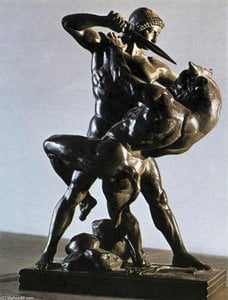
La residenza britannica di Benson si rivelò un terreno fertile per l'esplorazione artistica e il riconoscimento. Si stabilì a St John's Wood, nell'ovest di Londra, promuovendo un ambiente di studio propizio alla produzione creativa. Il suo impegno per l'arte si manifestò in una prolifica produzione scultorea: ritratti che catturavano i tratti somatici di figure prominenti, dinamici studi figurativi capaci di trasmettere movimento ed emozione, e medaglioni finemente lavorati per commemorare eventi storici o celebrare ideali artistici. Notevolmente, ottenne prestigio attraverso mostre alla Royal Academy e con la Society of Women Artists, dimostrando la sua capacità di interagire con le istituzioni artistiche consolidate e di attirare l'attenzione della critica. Le sue opere furono esposte alla Royal Scottish Academy, al Royal Glasgow Institute of the Fine Arts e alla Royal West of England Academy di Bristol, istituzioni che sostenevano le avanguardie artistiche del periodo.
Il ritorno in Australia e le commissioni architettoniche
Nel 1920, Benson tornò nella sua natia Australia, accettando un incarico di insegnamento presso l'Università di Sydney, un ruolo che le permise di trasmettere il proprio sapere e ispirare le future generazioni di artisti. Contemporaneamente, intraprese importanti commissioni architettoniche, progettando sculture monumentali per edifici pubblici, progetti che consolidarono la sua reputazione di artista versatile, capace di fondere la visione artistica con le esigenze pratiche. Il suo coinvolgimento nel progetto dello Shrine of Remembrance a Melbourne esemplifica il suo impegno nel commemorare l'eredità nazionale attraverso l'arte scultorea.
Gli ultimi anni e l'eredità
Gli ultimi anni di Benson furono segnati dalle sfide derivanti dalla malattia di Parkinson, una condizione neurologica debilitante che limitò la sua attività artistica. Nonostante queste difficoltà, continuò a perseguire la sua passione per la scultura fino alla sua scomparsa a Mosman, Sydney, nel 1949. La sua eredità duratura risiede nel straordinario corpo di opere scultoree da lei prodotte, pezzi che continuano a affascinare il pubblico con le loro qualità espressive e la maestria tecnica. Il contributo di Benson alla storia dell'arte australiana è riconosciuto come una testimonianza di perseveranza, eccellenza artistica e del potere trasformativo dello scambio culturale.



 Ordina la riproduzione dipinta a mano
 Condividi
 Condividi
 Dettagli
 Guida stampabile

 Scarica
 Articoli simili
 Slideshow
 Statistiche


 Leggi tutto






































 L'opzione vetro è disponibile solo per dimensioni inferiori a 110 cm