Stampa giclée o su tela di qualità museale, con produzione rapida e diverse opzioni di finitura. ( Acquista il dipinto realizzato a mano Acquista immagine)





























Scegli tra le nostre dimensioni predefinite, che rispettano le proporzioni originali dell'opera d'arte.

È possibile inserire dimensioni personalizzate per adattare l'opera a una cornice o a uno spazio specifico. Se la dimensione selezionata non corrisponde alle proporzioni dell'immagine originale, procederemo al ritaglio dell'opera o all'estensione dell'immagine con un bordo specchiato o a tinta unita. Un mockup digitale ti verrà inviato per approvazione prima dell'inizio della produzione.
Si prega di notare che l'anteprima a schermo non riflette il ritaglio o l'estensione effettivi. Solo il mockup mostrerà accuratamente la composizione finale.
Sebbene siano disponibili dimensioni personalizzate, si raccomanda di selezionare una dimensione dall'elenco predefinito per preservare le proporzioni originali.
Consegna in tutto il mondo () in 2 settimane invece delle normali 4/5 settimane. (7 Settembre)


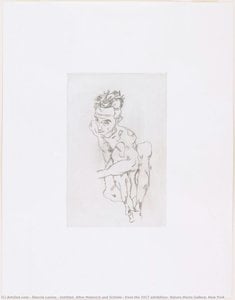
Two-dimensional work without framing. Representation of the close-up of a female figure, 3/4 left profile. Wavy hair that falls on the right side, covering part of the pinna, parted in the middle. In the lower left corner the handwritten date. In the....
Dimensioni riproduzione
In this evocative black and white drawing from 1880, we are invited into an intimate encounter with a moment frozen in history. The work presents a striking close-up of a female figure, captured in a three-quarter left profile that commands immediate attention. Her wavy hair, parted precisely in the middle, cascades gracefully over her right side, partially veiling the ear and adding a layer of soft mystery to her countenance. There is a profound sense of quietude in her gaze; she looks off into the distance, her expression suggesting a deep, perhaps melancholic, introspection. While the composition focuses intensely on the delicate features of her face, the subtle presence of two figures in the background provides a ghostly depth, reminding the viewer that this private moment exists within a larger, bustling social tapestry.
The technique employed here speaks to the mastery of line and shadow characteristic of late 19th-century portraiture. Through the delicate use of monochrome tones, the artist achieves a sculptural quality, defining the contours of the woman's profile with remarkable precision. The interplay of light and dark—the chiaroscuro effect—not only gives the subject a three-dimensional presence but also imbues the piece with an emotional weight. Every stroke seems calculated to capture not just the physical likeness, but the very essence of the sitter’s spirit. For collectors and decorators alike, this drawing offers a sophisticated study in texture and form, where the softness of the hair contrasts beautifully with the sharp, definitive lines of the facial structure.
To understand the soul of this piece, one must look toward the lineage of its creator, Eugenia Belín Sarmiento. Born in 1860, Sarmiento was a woman shaped by the intellectual and political currents of her era. As the granddaughter of the illustrious Argentine President Domingo Faustino Sarmiento, her life was steeped in the pursuit of progress and education. This historical gravity is subtly reflected in the dignity of her portraiture. Her work often transcends mere representation; it serves as an interpretive window into the character of her subjects. In this particular drawing, we see the artist's ability to weave personal intimacy with a broader historical narrative, creating a piece that feels both deeply personal and universally resonant.
For those looking to integrate fine art into a contemporary interior, this work serves as an exquisite focal point. Its monochromatic palette offers a timeless elegance that complements both minimalist modern spaces and more traditional, classical settings. The emotional impact of the piece—a blend of nostalgia, grace, and quiet strength—can transform a room, providing a conversational anchor that invites contemplation. Whether displayed as part of a curated gallery wall or as a standalone statement in a study, this reproduction of Sarmiento's work brings with it the prestige of 19th-century Latin American artistry, offering a rare opportunity to possess a fragment of a profound artistic legacy.

Eugenia Belín Sarmiento (1860-1952) è stata una pittrice e autrice argentina che si distinse per i suoi ritratti, in particolare quelli del suo nonno paterno, Domingo Faustino Sarmiento – figura chiave nella storia argentina come presidente dal 1868 al 1874. La sua opera riflette un'affascinante combinazione di tecniche impressioniste con una precisa attenzione ai dettagli fisiognomici.
Nata a San Juan, Porto Rico (sebbene fortemente associata all’Argentina), la vita di Eugenia Belín Sarmiento fu profondamente intrecciata con il panorama intellettuale e politico dell'Argentina del XIX secolo. La sua ascendenza – essendo la nipote di Domingo Faustino Sarmiento – ha indubbiamente plasmato i suoi interessi artistici e le ha fornito accesso a un mondo di significato culturale.
Lo stile artistico di Belín Sarmiento dimostra un'abbraccio dell'Impressionismo, caratterizzato da pennellate visibili, enfasi sulla luce e un focus sulla cattura del momento fugace. Tuttavia, i suoi ritratti si distinguono per la loro meticolosa attenzione ai dettagli nella resa delle caratteristiche facciali – una tecnica che rivela il suo interesse a comprendere il carattere attraverso l'aspetto fisico. Questa combinazione crea un’estetica distintiva.
Sebbene abbia esplorato vari soggetti, tra cui miniature e nature morte, Eugenia Belín Sarmiento è più conosciuta per i suoi ritratti di Domingo Faustino Sarmiento. Queste opere non sono semplici riproduzioni; offrono interpretazioni perspicaci della sua personalità e presenza intellettuale. Altri soggetti degni di nota includevano membri della sua famiglia come:
Il talento di Belín Sarmiento si estese oltre i confini nazionali. Ottenne riconoscimento internazionale con il suo lavoro esposto alla prima Esposizione Annuale di Pittura, Disegno e Scultura (Annual Exhibition of Painting, Drawing, and Sculpture) per artisti dell'America Latina tenutasi nel 1893. Questa esposizione ha segnato un momento significativo nello svelare l’arte latinoamericana a livello internazionale.
Il contributo di Eugenia Belín Sarmiento all'arte argentina risiede non solo nelle sue capacità artistiche, ma anche nel suo ruolo di documentario del suo tempo. I suoi ritratti forniscono preziose testimonianze visive di figure importanti, offrendo spunti di riflessione sul clima sociale e politico dell’Argentina del XIX secolo. La sua opera continua ad essere studiata per il suo valore artistico e il suo contesto storico.
Sebbene le influenze specifiche non siano ampiamente documentate, è ragionevole supporre che Belín Sarmiento sia stata influenzata dai movimenti artistici europei dominanti del suo tempo, in particolare l'Impressionismo. Il suo focus sui ritratti suggerisce anche un coinvolgimento con la tradizione della pittura storica e commemorativa.

1860 - 1952 , Argentina

Explore the profound artistry of black and white photography. From historical mastery to the interplay of light and shadow, discover how monochrome captures timeless emotion and form through a sophisticated lens of art history.

Elevate your most cherished memories with WahooArt’s bespoke service. We transform your personal photos into breathtaking, hand-painted black & white oil masterpieces. Experience museum-quality craftsmanship and timeless elegance for your private collection. Discover the art of legacy.
Scopri il potere delle artiste che hanno rivoluzionato la storia dell'arte. Un viaggio culturale tra icone come Tamara de Lempicka e Laura Knight, esplorando nuove visioni e sensibilità attraverso l'eccellenza delle riproduzioni a mano di WahooArt.

Explore the profound resurgence of female masters Artemisia Gentileschi and Berthe Morisot. Discover how their revolutionary use of light, shadow, and intimacy redefined art history and continues to inspire sophisticated modern collections.

 Anteprima in scala reale
 Invia
Invia Condividi
 Dettagli opera

 Scarica immagine
 Simili
 Radiografia
 Slideshow


 Espandi i dettagli







 L'opzione vetro è disponibile solo per dimensioni inferiori a 110 cm