CONSULENZA D'ARTE GRATUITA

x
Acquista stampa Acquista stampaAcquista download Acquista download InviaInvia
DetailsDetails Aggiungi ai preferiti Aggiungi ai preferiti ScaricaScarica SimiliSimili X-RayX-Ray SlideshowSlideshow

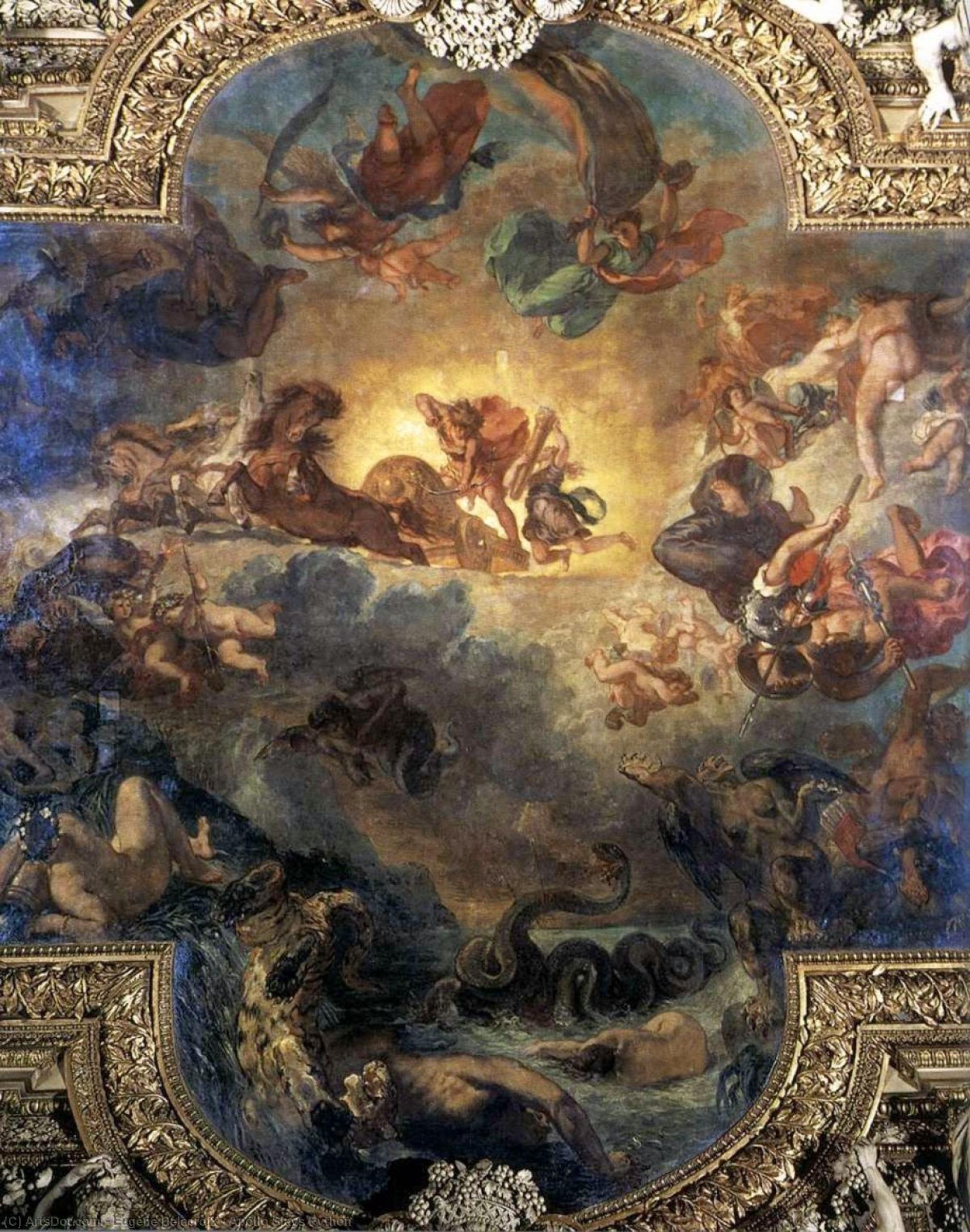
Apollo Slays Python

"Apollo Slays Python" di Eugène Delacroix: un maestoso affresco del Louvre che celebra il mito greco con colori vibranti e dettagli incredibili. Un'opera simbolo del Romanticismo!

Scopri Eugène Delacroix, il maestro del Romanticismo francese! Ammira opere iconiche come "La Libertà guida il popolo" e lasciati ispirare dai suoi colori vibranti e dalle scene drammatiche che hanno rivoluzionato l'arte.

Riproduzione a olio fatta a mano

Olio su tela dipinto a mano nelle tue dimensioni e con la tua cornice, realizzato su ordinazione dai nostri artisti.


P118B $10
P118H $10
P118W $10
P438Z $10
P508JH $12
P508YH $12
P805H $10
P805Z $10
P919BZ $10
P919G $10
P919XJ $10
P959ZH $10
P968JZ $12
W106C $8
W218G $10
W218JH $8
W218Y $10
W307PJ $10
W316G $10
W316PJ $8
W316Y $10
W398PJ $8
W4111J $10
W500HY $15
W500JH $15
W692G $12
W849H $8
W940BG $15
W953PJ $8

Standard
custom
CM
INCH

Scegli tra le nostre dimensioni predefinite, che rispettano le proporzioni originali dell'opera d'arte.

larghezza
altezza

È possibile inserire dimensioni personalizzate per adattare l'opera a una cornice o a uno spazio specifico. Se la dimensione selezionata non corrisponde alle proporzioni dell'immagine originale, provvederemo a ritagliare l'opera o a estendere il dipinto con elementi aggiuntivi dipinti a mano. Un mockup digitale ti sarà inviato per approvazione prima dell'inizio della produzione.
Si prega di notare che l'anteprima a schermo non riflette il ritaglio o l'estensione effettivi. Solo il mockup mostrerà accuratamente la composizione finale.
Sebbene siano disponibili dimensioni personalizzate, consigliamo di selezionare una dimensione dall'elenco predefinito per preservare le proporzioni originali.

Esempi di modifiche possibili: sostituire il volto con una foto del cliente; aggiungere un animale domestico (ad esempio, sostituire un gatto con un cane); inserire un messaggio nascosto sullo sfondo; modificare il paesaggio o gli elementi dello sfondo.
Dopo l'ordine, il team di WahooArt.com invierà un'e-mail al cliente per le istruzioni e fornirà un'anteprima del mockup

Consegna in tutto il mondo () in 3/4 settimane anziché nelle normali 5 settimane. (1 Luglio). Nessun compromesso sulla qualità.

why_choose_icon
Spedizione espressa gratuita in tutto il mondo
why_choose_icon
Tela in lino di alta qualità
why_choose_icon
Assicurazione completa sulla spedizione
why_choose_icon
Garanzia di rimborso dei dazi doganali
why_choose_icon
Garanzia di fedeltà cromatica
why_choose_icon
Politica di reso entro 60 giorni (solo per difetti)
why_choose_icon
Garanzia di rimborso al 100%
why_choose_icon
Sconto per acquisti multipli

Prezzo totale

-

reproduction

Apollo Slays Python

Tecnica di riproduzione

Dimensioni riproduzione

-

Prezzo totale finale

-

Informazioni rapide

  • Dimensions: 800 x 750 cm
  • Movement: Romanticism
  • Location: Musée du Louvre
  • Artistic style: Expressive realism
  • Influences:
    • Rubens
    • Titian
  • Year: 1850
  • Title: Apollo Slays Python

Quiz d'arte

Per ogni domanda è presente una sola risposta corretta.

Domanda 1:
What mythological tale does Eugène Delacroix’s Apollo Slays Python depict?
Domanda 2:
Where is Apollo Slays Python housed?
Domanda 3:
What artistic movement is Eugène Delacroix primarily associated with?
Domanda 4:
Which artist greatly influenced Delacroix's style and approach to painting?
Domanda 5:
What is a prominent feature of the painting’s color palette?

Descrizione dell'opera

Apollo Slays Python

Eugène Delacroix’s Apollo Slays Python stands as a cornerstone of Romantic art—a visceral embodiment of emotion and imagination that continues to captivate audiences today. Created in 1850, this monumental mural measuring 800 x 750 cm resides within the hallowed halls of the Musée du Louvre in Paris, France, cementing its place amongst artistic treasures.

The Composition and Storyline

Delacroix’s depiction of the ancient Greek myth centers around Apollo’s decisive confrontation with Python—a serpent that had plagued Delphi, threatening the oracle’s prophetic pronouncements and terrorizing the populace. The artist meticulously crafted a scene brimming with dynamism and complexity. Dominating the canvas is a heroic figure astride a horse, radiating authority and embodying courage—the focal point of Delacroix's narrative vision. Surrounding him are additional characters engaged in various postures, contributing to the overall theatricality of the composition. The inclusion of horses, birds, snakes, and a dog amplifies the visual richness and underscores the dramatic tension inherent in the myth itself. Delacroix’s masterful use of color—a striking interplay of luminous yellows and deep purples—creates an atmosphere charged with emotion and conveying the narrative's core themes: triumph over darkness and the assertion of divine power. The artist skillfully employs brushstrokes that ripple across the surface, capturing movement and conveying a palpable sense of urgency. Every detail, from the musculature of Apollo to the scales of Python, is rendered with painstaking precision—a testament to Delacroix’s technical prowess.

Artistic Significance

Apollo Slays Python isn't merely a beautiful painting; it’s a profound reflection of the Romantic movement—a reaction against Neoclassical restraint and an embrace of subjective experience. Delacroix, alongside Théodore Géricault, championed individualism and sought to evoke powerful emotions in viewers. He drew inspiration from Baroque masters like Rubens and Venetian Renaissance painters such as Titian, prioritizing expressive color and dramatic gesture over formal accuracy. This artistic ethos profoundly influenced subsequent generations of artists—most notably Impressionists who adopted Delacroix’s techniques for capturing fleeting moments of light and sensation. To delve deeper into Delacroix's oeuvre, a visit to the Musée Eugène Delacroix is indispensable—a hidden gem nestled in Paris dedicated to preserving his legacy and showcasing his artistic innovations. Located in the former apartment where Delacroix spent his final years, the museum offers an intimate glimpse into his life’s work and creative process.

Other Notable Works by Delacroix

* Apollo Slays Python (detail): Examining the intricate textures and luminous hues of this section reveals Delacroix’s meticulous attention to detail—a hallmark of his artistic style. * Bouquet of Flowers: Delacroix’s delicate watercolor captures the ephemeral beauty of floral arrangements—demonstrating his versatility as an artist and his ability to convey emotion through subtle tonal variations. * Self-Portrait with Cap: This evocative drawing offers a poignant portrayal of Delacroix’s inner life—revealing his contemplative gaze and conveying a sense of artistic introspection. For those interested in exploring the broader landscape of French Romanticism, consider examining the works of Jean-François Demay, whose oil paintings like The Hunt (1837) exemplify the movement’s fascination with nature and its expressive power.

Opere simili


Biografia dell'artista

Eugène Delacroix: The Soul of Romanticism

Eugène Delacroix, born Ferdinand Victor Eugène Delacroix in Chantonnay, France on April 26, 1798, stands as a monumental figure within the French Romantic movement. From his formative years onwards, he was recognized not merely as an artist but as its undisputed champion—a visionary who irrevocably altered artistic conventions and captivated audiences with his bold embrace of emotion and dramatic narrative.

  • Early Influences: Delacroix’s artistic sensibilities were profoundly shaped by the legacy of Rubens and painters of the Venetian Renaissance. Unlike the prevailing academic style, which prioritized meticulous detail and idealized form, he championed color and movement as primary expressive tools—a deliberate rejection of classical restraint in favor of visceral sensation.
  • A Visionary Palette: His artistic approach was characterized by an unwavering commitment to capturing the essence of experience rather than simply reproducing reality. He sought inspiration from historical events and literature, notably Victor Hugo’s “Les Misérables,” which fueled his imagination and propelled him toward ambitious projects.
  • The Exotic Call of Morocco: A pivotal moment in Delacroix's artistic journey arrived with his expedition to Morocco in 1838-39. This immersive encounter ignited his passion for exotic subjects—the vibrant colors, dramatic landscapes, and captivating traditions of North Africa—resulting in paintings that embody the spirit of adventure and cultural exploration.
  • Iconic Masterpieces: Delacroix’s oeuvre boasts an unparalleled collection of masterpieces that continue to resonate with audiences worldwide. “Liberty Leading the People,” commemorating the July Revolution of 1830, remains a symbol of republican ideals and artistic courage—a monumental canvas brimming with dynamism and imbued with profound political significance. Similarly, “La Morte di Sardanapalus” confronts viewers with unsettling imagery and explores themes of decadence and mortality, demonstrating Delacroix’s mastery of theatrical composition and psychological depth.
  • Legacy: Delacroix's influence extended far beyond his own lifetime, profoundly impacting subsequent generations of artists—particularly Impressionists and Post-Impressionists who adopted his bold use of color and expressive brushstrokes. He cemented his place as one of the most influential figures in 19th-century art, forever altering the trajectory of artistic innovation.
Eugène Delacroix

Eugène Delacroix

1798 - 1863 , Francia

Dati rapidi

  • Artistic Movement Or Style: Romanticismo
  • Artists Who Influenced This Artist:
    • Rubens
    • Pittori veneziani
  • Date Of Birth: 26 aprile 1798
  • Date Of Death: 13 agosto 1863
  • Full Name: Eugène Delacroix
  • Nationality: Francese
  • Notable Artworks:
    • La Libertà guida il popolo
    • La Morte di Sardanapalo
    • Cavalli Arabi in Combattimento
  • Place Of Birth: Chantonnay, Francia
Esplora opere d'arte organizzate per temi, stili e caratteristiche.