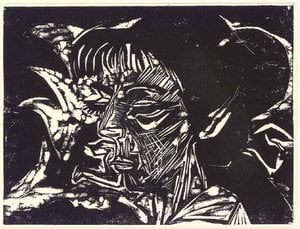
Dunes cove by Ernst Ludwig Kirchner, hand-painted oil painting reproduction by a master artist
Anteprima in scala reale Anteprima in AR Passa alle stampe Passa all'immagine digitale Invia
Dettagli opera Guida Aggiungi ai preferiti Scarica Simili Radiografia Slideshow Q&A Statistiche

Dunes cove Hand-painted oil painting reproduction

Experience Ernst Ludwig Kirchner’s dramatic Expressionist woodcut "Dunes Cove," a stark portrayal of isolation and unease through bold lines and monochrome contrasts – perfect for art lovers seeking powerful, emotive artwork.

Ernst Ludwig Kirchner (1880-1938): Esplora l'espressionismo tedesco, Die Brücke e le sue audaci opere tra vita urbana, nudi e paesaggi intensi.

Riproduzione a olio fatta a mano

Olio su tela dipinto a mano nelle tue dimensioni e con la tua cornice, realizzato su ordinazione dai nostri artisti. ( Passa alle stampe Passa all'immagine digitale)

Corner sample of the P118B picture frame: polistirene stampato, 5 cm wide and 3 cm thick
P118B €10
Corner sample of the P118H picture frame: polistirene stampato, 5 cm wide and 3 cm thick
P118H €10
Corner sample of the P118W picture frame: polistirene stampato, 5 cm wide and 3 cm thick
P118W €10
Corner sample of the P438Z picture frame: polistirene stampato, 5.5 cm wide and 3.5 cm thick
P438Z €10
Corner sample of the P508JH picture frame: polistirene stampato, 7 cm wide and 3.5 cm thick
P508JH €12
Corner sample of the P508YH picture frame: polistirene stampato, 7 cm wide and 3.5 cm thick
P508YH €12
Corner sample of the P805H picture frame: polistirene stampato, 5 cm wide and 3.5 cm thick
P805H €10
Corner sample of the P805Z picture frame: polistirene stampato, 5 cm wide and 3.5 cm thick
P805Z €10
Corner sample of the P919BZ picture frame: polistirene stampato, 7 cm wide and 3.5 cm thick
P919BZ €10
Corner sample of the P919G picture frame: polistirene stampato, 7 cm wide and 3.5 cm thick
P919G €10
Corner sample of the P919XJ picture frame: polistirene stampato, 7 cm wide and 3.5 cm thick
P919XJ €10
Corner sample of the P959ZH picture frame: polistirene stampato, 5 cm wide and 3 cm thick
P959ZH €10
Corner sample of the P968JZ picture frame: polistirene stampato, 6 cm wide and 4 cm thick
P968JZ €12
Corner sample of the W106C picture frame: legno massello, 5 cm wide and 3 cm thick
W106C €8
Corner sample of the W218G picture frame: legno massello, 5 cm wide and 3 cm thick
W218G €10
Corner sample of the W218JH picture frame: legno massello, 5 cm wide and 3 cm thick
W218JH €8
Corner sample of the W218Y picture frame: legno massello, 5 cm wide and 3 cm thick
W218Y €10
Corner sample of the W307PJ picture frame: legno massello, 6 cm wide and 3 cm thick
W307PJ €10
Corner sample of the W316G picture frame: legno massello, 6 cm wide and 3 cm thick
W316G €10
Corner sample of the W316PJ picture frame: legno massello, 6 cm wide and 3 cm thick
W316PJ €8
Corner sample of the W316Y picture frame: legno massello, 6 cm wide and 3 cm thick
W316Y €10
Corner sample of the W398PJ picture frame: legno massello, 5 cm wide and 3 cm thick
W398PJ €8
Corner sample of the W4111J picture frame: legno massello, 6.5 cm wide and 3.5 cm thick
W4111J €10
Corner sample of the W500HY picture frame: legno massello, 7 cm wide and 5 cm thick
W500HY €15
Corner sample of the W500JH picture frame: legno massello, 7 cm wide and 5 cm thick
W500JH €15
Corner sample of the W692G picture frame: legno massello, 8 cm wide and 4 cm thick
W692G €12
Corner sample of the W849H picture frame: legno massello, 5 cm wide and 3 cm thick
W849H €8
Corner sample of the W940BG picture frame: legno massello, 7.5 cm wide and 4.5 cm thick
W940BG €15
Corner sample of the W953PJ picture frame: legno massello, 6 cm wide and 3.5 cm thick
W953PJ €8

Formato standard
su misura
CM
INCH

Scegli tra le nostre dimensioni predefinite, che rispettano le proporzioni originali dell'opera d'arte.

larghezza
altezza

Inserisci la larghezza e l'altezza desiderate, per adattarle alla tua cornice o alla tua parete. Trattandosi di un'opera dipinta a mano, in caso di dimensioni con un formato differente, l'artista può estendere leggermente il dipinto oltre i bordi dell'immagine o ritagliare una piccola parte — la scelta spetta a te. Ti invieremo un mockup digitale da approvare prima che la realizzazione abbia inizio. L'immagine mostrata in questa pagina non rappresenta il risultato finale — solo il mockup lo fa.

Esempi di ciò che può essere modificato: sostituire il volto con una foto del cliente; aggiungere un animale domestico (ad esempio, sostituire un gatto con un cane); inserire un messaggio nascosto nello sfondo; cambiare il paesaggio o gli elementi dello sfondo.
Dopo l'ordine, il team di WahooArt.com contatterà il cliente via e-mail per ricevere le istruzioni e fornirà un'anteprima del mockup

Consegna in tutto il mondo () in 3/4 settimane anziché nelle normali 5 settimane. (1 Novembre). Nessun compromesso sulla qualità.

Spedizione espressa gratuita in tutto il mondo
Tela in lino di alta qualità
Assicurazione completa sulla spedizione
Garanzia di rimborso dei dazi doganali
Garanzia di fedeltà cromatica assoluta
Politica di reso entro 100 giorni (solo per difetti di fabbricazione)
Garanzia di rimborso al 100%
Offerta per acquisti multipli

Prezzo totale

€ 242

Dunes cove

Tecnica di riproduzione

Dimensioni riproduzione

-

Prezzo finale calcolato

€ 242

Informazioni rapide

  • Artistic style: Expressionist
  • Subject or theme: Coastal landscape
  • Notable elements: Stylized figures, lines
  • Artist: Ernst Ludwig Kirchner

Dunes Cove: A Descent into Expressionist Emotion

Ernst Ludwig Kirchner’s “Dunes Cove” is not merely a depiction of a coastal scene; it's an immersion into the turbulent heart of German Expressionism. Executed as a woodcut print, this stark and arresting image immediately confronts the viewer with a world stripped bare – a landscape reduced to its essential forms, imbued with a palpable sense of unease and isolation. The work’s power resides in its deliberate distortion, its rejection of naturalistic representation in favor of an intensely subjective emotional response. Kirchner, born in Aschaffenburg in 1880, was a pivotal figure in the Expressionist movement, driven by a desire to capture not what he *saw*, but what he *felt* – anxieties about modernity, alienation, and the psychological strain of a rapidly changing world.

Technique and Materials: The Language of Wood and Ink

  • Woodcut Print: “Dunes Cove” exemplifies the meticulous process of woodcut printing. Kirchner began with a meticulously carved block of wood, each line representing an element within the composition. This relief technique demanded precision and control, resulting in bold, graphic shapes that define the scene.
  • Monochromatic Palette: The deliberate use of black and white – achieved through varying densities of ink – amplifies the dramatic impact. The absence of color forces the viewer to focus entirely on form, line, and texture, intensifying the emotional resonance.
  • Layered Hatching & Cross-Hatching: Kirchner masterfully employed hatching and cross-hatching to build up tonal values, creating a sense of depth and suggesting the roughness of the sand dunes and the solidity of the trees. This technique is crucial to understanding the work's textural quality.

A Distortion of Reality: Perspective and Symbolism

Kirchner’s artistic vision deliberately rejects traditional perspective, flattening space and distorting forms in a manner characteristic of Expressionist art. The figures wading in the water or sand are not rendered with anatomical accuracy; instead, they are elongated, stylized representations of human vulnerability within a hostile environment. This distortion isn't accidental; it serves to heighten emotional intensity and convey a sense of psychological unease. The sweeping curve of the dune acts as a visual metaphor for instability and perhaps even the overwhelming force of nature. The dense clouds overhead further contribute to this feeling of confinement and foreboding, suggesting a world shrouded in uncertainty.

Emotional Resonance: Isolation and Anxiety

“Dunes Cove” is profoundly evocative, communicating a powerful sense of isolation and anxiety – themes central to Kirchner’s oeuvre. The stark contrast between light and shadow, the simplified forms, and the deliberate distortion all contribute to this unsettling atmosphere. It's a scene that invites contemplation on the human condition, prompting questions about our place in the world and our relationship with nature. This artwork speaks to a deeper truth – the inherent loneliness of modern existence, amplified by the anxieties of a society undergoing rapid transformation.

Domande e risposte

Qual è la spiegazione relativa allo stato del copyright di "Dunes cove" di Ernst Ludwig Kirchner?

"Dunes cove" di Ernst Ludwig Kirchner è di di pubblico dominio - il copyright è scaduto. La durata del copyright decorre dalla morte dell'artista, avvenuta nel 1938.

Che tipo di opera d'arte è "Dunes cove" di Ernst Ludwig Kirchner?

"Dunes cove" è un'opera in WallArt.

Dove posso acquistare una stampa di "Dunes cove" di Ernst Ludwig Kirchner?

Per ordinare una stampa di "Dunes cove" di Ernst Ludwig Kirchner, ti basta cercarla nella sua pagina dedicata Stampa Fine Art: una stampa fine art su tela di cotone o carta canvas d'archivio.


Biografia dell'artista

Ernst Ludwig Kirchner: Vita e Eredità

Primi Anni e Formazione

Ernst Ludwig Kirchner, figura chiave dell'Espressionismo tedesco, nacque il 6 maggio 1880 ad Aschaffenburg, in Baviera. La sua eredità prussiana familiare e l'ascendenza hugenotta della madre plasmarono significativamente la sua identità artistica. Frequenti trasferimenti durante la sua infanzia – dovuti alla ricerca di lavoro da parte del padre – portarono Kirchner a frequentare scuole a Francoforte e Perlen prima di stabilirsi a Chemnitz quando il padre ottenne una posizione presso la locale università tecnica.

Nel 1901, Kirchner iniziò a studiare architettura alla Königliche Technische Hochschule (Regia Università Tecnica) di Dresda. Tuttavia, si orientò presto verso la pittura, trovando ispirazione nelle opere di artisti come Albrecht Dürer e sviluppando una visione radicale dell'arte insieme al suo amico Fritz Bleyl.

La Fondazione del Die Brücke

Un punto di svolta nella carriera di Kirchner avvenne nel 1905 quando co-fondò Die Brücke (“Il Ponte”) con Bleyl, Karl Schmidt-Rottluff ed Erich Heckel. Questo gruppo mirava a colmare il divario tra gli stili accademici tradizionali e una forma di espressione più moderna e carica emotivamente. Cercarono ispirazione nell'arte primitiva, in particolare dall'Africa e dall'Oceania, così come nelle opere di Vincent van Gogh ed Edvard Munch.

Stile Artistico e Caratteristiche Chiave

Lo stile artistico di Kirchner è caratterizzato dai suoi colori audaci, pennellate espressive e composizioni spesso sconvolgenti. Rappresentava frequentemente scene urbane, ritraendo l'alienazione e le ansie della vita moderna all'inizio del XX secolo in Germania. La sua opera presenta anche un numero significativo di nudi femminili ambientati in paesaggi naturali, che mostrano la sua fascinazione per il movimento e la forma.

  • Palette di Colori Audaci: Kirchner impiegò colori vibranti, spesso non naturalistici, per trasmettere emozione.
  • Pennellate Espressive: Le sue pennellate sono energiche e visibili, contribuendo all'intensità emotiva complessiva dei suoi dipinti.
  • Forme Distorte: Figure e oggetti sono spesso distorti o allungati, riflettendo una realtà soggettiva piuttosto che oggettiva.
  • Temi Urbani: Molte delle sue opere raffigurano strade cittadine trafficate e l'impatto psicologico della vita urbana moderna.

Opere Principali e Realizzazioni

Alcune delle opere più notevoli di Kirchner includono:

  • La Strada (1908) – Una rappresentazione quintessenziale della vita nelle strade di Berlino, che cattura la sua energia e alienazione.
  • Ballerina Saltante, Gret Palucca (1912) – Mostra il suo interesse per il movimento espressivo e la forma umana.
  • Autoritratto con Modello (1910) - Un esempio sorprendente della sua auto-esplorazione attraverso l'arte.
  • Cinque Donne per Strada (1913)

Vita Successiva, Sfide e Eredità

La vita di Kirchner fu segnata da turbamenti personali. Soffrì di un crollo nervoso durante la Prima Guerra Mondiale e successivamente si ritirò in Svizzera. L'ascesa del Nazismo portò ulteriori difficoltà; oltre 600 delle sue opere furono confiscate ed etichettate come "arte degenerata". Di fronte alla persecuzione e al declino della salute, Kirchner tragicamente si suicidò a Davos, in Svizzera, il 15 giugno 1938.

Nonostante questo triste destino, l'eredità di Ernst Ludwig Kirchner perdura. Rimane una figura centrale dell'Espressionismo tedesco, influenzando generazioni di artisti con il suo stile audace e le sue rappresentazioni emotivamente risonanti della vita moderna. La sua opera continua ad essere esposta in importanti musei in tutto il mondo ed è molto ricercata dai collezionisti.

Influenze & Impatto

Influenzato da: Albrecht Dürer, Vincent van Gogh, Edvard Munch, Arte Primitiva (Africana e Oceanica)

Ha influenzato: L'opera di Kirchner ha profondamente influenzato le generazioni successive di artisti espressionisti e moderni. La sua esplorazione dei temi psicologici e il suo uso innovativo del colore e della forma continuano a ispirare pratiche artistiche contemporanee.

Ernst Ludwig Kirchner

Ernst Ludwig Kirchner

1880 - 1938 , Germania

Dettagli rapidi

  • Artisti Influenti:
    • Albrecht Dürer
    • Vincent van Gogh
    • Edvard Munch
  • Artisti Influenzati: Generazioni di artisti espressionisti
  • Data Di Morte: 15 giugno 1938
  • Data Di Nascita: 6 maggio 1880
  • Luogo Di Nascita: Aschaffenburg, Germania
  • Movimento Artistico: Espressionismo, Die Brücke
  • Nazionalità: Tedesca
  • Nome Completo: Ernst Ludwig Kirchner
  • Opere Notevoli:
    • La strada
    • Ballerina che salta
    • Autoritratto con modello
    • Cinque donne per la strada
    • Il berevole (autoritratto)
Esplora le opere d'arte organizzate per temi, stili e caratteristiche.