x
Anteprima in scala realeAnteprima in scala reale Anteprima ARAnteprima AR Acquista stampa Acquista stampaAcquista immagine Acquista immagine InviaInvia
Dettagli operaDettagli opera Aggiungi ai preferiti Aggiungi ai preferiti Scarica immagineScarica immagine SimiliSimili RadiografiaRadiografia SlideshowSlideshow


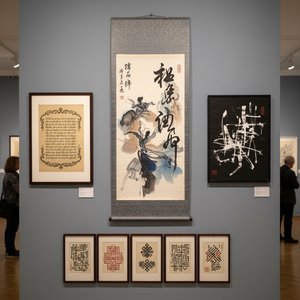
Calligraphy: "Happiness"

Discover "Happiness" by Empress Dowager Cixi – a stunning black ink calligraphy piece showcasing dynamic brushwork & tranquil energy. Explore this unique 801 artwork!

Meta Description: Scopri l'arte dell'Imperatrice Madre Cixi (1835-1908), sovrana Qing potente e artista raffinata. Ammira i suoi dipinti di fiori di pruno e il suo stile imperiale unico, simbolo di forza e resilienza nella storia cinese.

Riproduzione a olio fatta a mano

Olio su tela dipinto a mano nelle tue dimensioni e con la tua cornice, realizzato su ordinazione dai nostri artisti. (Acquista stampa Acquista stampaAcquista immagine Acquista immagine)

Standard
custom
CM
INCH

Scegli tra le nostre dimensioni predefinite, che rispettano le proporzioni originali dell'opera d'arte.

larghezza
altezza

È possibile inserire dimensioni personalizzate per adattare l'opera a una cornice o a uno spazio specifico. Se la dimensione selezionata non corrisponde alle proporzioni dell'immagine originale, provvederemo a ritagliare l'opera o a estendere il dipinto con elementi aggiuntivi dipinti a mano. Un mockup digitale ti sarà inviato per approvazione prima dell'inizio della produzione.
Si prega di notare che l'anteprima a schermo non riflette il ritaglio o l'estensione effettivi. Solo il mockup mostrerà accuratamente la composizione finale.
Sebbene siano disponibili dimensioni personalizzate, consigliamo di selezionare una dimensione dall'elenco predefinito per preservare le proporzioni originali.

Esempi di ciò che può essere modificato: sostituire il volto con una foto del cliente; aggiungere un animale domestico (ad esempio, sostituire un gatto con un cane); inserire un messaggio nascosto nello sfondo; cambiare il paesaggio o gli elementi dello sfondo.
Dopo l'ordine, il team di WahooArt.com contatterà il cliente via e-mail per le istruzioni e fornirà un'anteprima del mockup

Consegna in tutto il mondo () in 3/4 settimane anziché nelle normali 5 settimane. (25 Agosto). Nessun compromesso sulla qualità.

why_choose_icon
Spedizione espressa gratuita in tutto il mondo
why_choose_icon
Tela in lino di alta qualità
why_choose_icon
Assicurazione completa sulla spedizione
why_choose_icon
Garanzia di rimborso dei dazi doganali
why_choose_icon
Garanzia di fedeltà cromatica
why_choose_icon
Politica di reso entro 60 giorni (solo per difetti di fabbricazione)
why_choose_icon
Garanzia di rimborso al 100%
why_choose_icon
Offerta per acquisti multipli

Prezzo totale

$ 272

reproduction

Calligraphy: "Happiness"

Tecnica di riproduzione

Dimensioni riproduzione

-

Prezzo totale calcolato

$ 272


Biografia dell'artista

Empress Dowager Cixi: A Reign Defined by Power and Transformation

Empress Dowager Cixi (1835-1908) stands as one of the most formidable figures in Chinese history—a woman who wielded absolute authority over the Qing Dynasty for nearly half a century, reshaping its trajectory toward modernity amidst turbulent political upheaval. Born Yehe Nara Xingzhen, she ascended to prominence through strategic marriage and shrewd political maneuvering, becoming a pivotal force in safeguarding imperial China against internal dissent and external aggression. Her legacy continues to fascinate historians and artists alike, prompting ongoing debate about her motivations and impact on the nation’s destiny.
  • Early Life & Marriage: Cixi's origins lay within the Manchu Bordered Yellow Banner Niohuru clan, a lineage deeply entrenched in Qing imperial governance. Her marriage to Xianfeng Emperor Gaozong was orchestrated as part of a calculated diplomatic alliance, securing stability for the dynasty at a time of considerable vulnerability. Despite facing societal constraints typical of her era, Cixi demonstrated exceptional intelligence and ambition—qualities that would prove instrumental in shaping her future role. She possessed an innate understanding of governance and skillfully navigated the complexities of court politics.
  • The Ascension to Power: Following Xianfeng’s death in 1861, Cixi skillfully navigated the ensuing succession crisis, orchestrating a coup alongside Empress Dowager Ci'an—a move that ousted rival regents and cemented her dominance. This decisive action established her as co-regent with Ci'an, marking the beginning of an era characterized by centralized control and unwavering determination. Her astute political acumen ensured she maintained control over the imperial household and skillfully manipulated alliances to advance her interests.
  • Consolidation & Modernization Efforts: Cixi’s reign witnessed a remarkable transformation—the suppression of rebellions like the Taiping Rebellion and the Nian Rebellion, alongside ambitious initiatives to modernize China's military, economy, and education system. While these reforms were often driven by pragmatic considerations rather than idealistic visions, they undeniably propelled China toward engagement with the Western world. She recognized the necessity for adapting to changing geopolitical realities—a shrewd assessment that guided her policies throughout her reign.
  • Katharine Augusta Carl’s Portrait: Recognizing the importance of bolstering her image abroad, Cixi commissioned American artist Katharine Augusta Carl to create a monumental portrait—a striking depiction capturing both regal dignity and an unsettling hint of latent ferocity. This artwork served as a deliberate symbol of Cixi's ambition to portray herself as a protector of China’s interests. Critics debated whether this portrayal accurately reflected her character, highlighting the complexities of representing power and authority in art.
  • Legacy & Historical Significance: Despite criticisms regarding her autocratic tendencies and suppression of dissent, Empress Dowager Cixi undeniably presided over the final chapter of Qing rule—a period marked by significant geopolitical shifts. Her actions profoundly influenced the trajectory of 20th-century China, shaping its relationship with Western powers and ultimately contributing to the dynasty’s downfall in 1912. Nevertheless, she remains an enduring symbol of imperial China—a woman whose unwavering resolve secured her place as one of history's most influential rulers.

Artistic Expression: Calligraphy & Painting – Reflections of Imperial Vision

Cixi's artistic pursuits—primarily calligraphy and painting—offer invaluable insights into her worldview and intellectual sensibilities. Her devotion to the art form wasn’t merely a pastime; it represented a deliberate strategy for cultivating prestige and projecting an image of benevolent leadership. Notably, she produced “Happiness,” a captivating black ink calligraphy piece showcasing dynamic brushwork and tranquil energy – a testament to her artistic skill and symbolic intent. This artwork exemplifies Cixi's desire to convey harmony and stability—values central to her governance. The meticulous execution demonstrated her understanding of traditional Chinese aesthetics and reinforced her position as a respected figure within the imperial court.

Notable Artwork: Copying the Painting of Plum Blossom and a Pair of Magpies by Tang Zhengzhong

Cixi’s artistic endeavors extended beyond mere aesthetic contemplation; she actively engaged in replicating celebrated artworks—a practice considered honorable among Qing imperial artists. Her rendition of “Copying the Painting of Plum Blossom and a Pair of Magpies” by Tang Zhengzhong exemplifies her dedication to preserving cultural heritage while simultaneously demonstrating her own artistic prowess. This piece serves as tangible evidence of Cixi’s engagement with traditional Chinese art traditions. The careful attention to detail and expressive brushstrokes conveyed a profound appreciation for beauty and harmony—qualities she wished to embody in her reign.

Concluding Reflections: An Icon of Imperial Power

Empress Dowager Cixi remains an enduring symbol of imperial China—a woman whose reign irrevocably altered the nation's course. Her artistic pursuits—particularly her calligraphy and painting—provide a window into her complex character—a blend of regal dignity, shrewd intellect, and unwavering resolve. Through her art, Cixi sought to embody the virtues of leadership—harmony, stability, and resilience—leaving an indelible mark on Chinese history and inspiring ongoing scholarly debate about her legacy.
Cixi

Cixi

1835 - 1908 , Cina

Dati rapidi

  • Artistic Movement Or Style: Imperial Painting
  • Artists Or Movements Influenced By This Artist: ['Tang Zhengzhong']
  • Artists Who Influenced This Artist: ['Katharine Augusta Carl']
  • Date Of Birth: November 29, 1835
  • Date Of Death: November 15, 1908
  • Full Name: Empress Dowager Cixi
  • Nationality: Chinese
  • Notable Artworks:
    • Happiness
    • Copying the Painting of Plum Blossom and a Pair of Magpies
  • Place Of Birth: Beijing, China