x
Anteprima in scala realeAnteprima in scala reale Anteprima ARAnteprima AR Acquista stampa Acquista stampaAcquista immagine Acquista immagine InviaInvia
Dettagli operaDettagli opera Aggiungi ai preferiti Aggiungi ai preferiti Scarica immagineScarica immagine SimiliSimili RadiografiaRadiografia SlideshowSlideshow


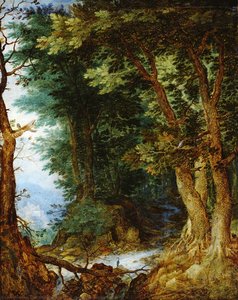
Un Sentiero nella Foresta

Immergiti nella serenità de 'Un Sentiero nella Foresta' di Emilio Longoni. Paesaggio impressionista che cattura la bellezza di un bosco di betulle con pennellate visibili e luce soffusa.

Discover Emilio Longoni’s evocative Italian paintings! Explore landscapes, still lifes & portraits from 1859-1932. A divisionist master of nature & spirituality.

Riproduzione a olio fatta a mano

Olio su tela dipinto a mano nelle tue dimensioni e con la tua cornice, realizzato su ordinazione dai nostri artisti. (Acquista stampa Acquista stampaAcquista immagine Acquista immagine)

P118B $10
P118H $10
P118W $10
P438Z $10
P508JH $12
P508YH $12
P805H $10
P805Z $10
P919BZ $10
P919G $10
P919XJ $10
P959ZH $10
P968JZ $12
W106C $8
W218G $10
W218JH $8
W218Y $10
W307PJ $10
W316G $10
W316PJ $8
W316Y $10
W398PJ $8
W4111J $10
W500HY $15
W500JH $15
W692G $12
W849H $8
W940BG $15
W953PJ $8

Formato standard
su misura
CM
INCH

Scegli tra le nostre dimensioni predefinite, che rispettano le proporzioni originali dell'opera d'arte.

larghezza
altezza

È possibile inserire dimensioni personalizzate per adattare l'opera a una cornice o a uno spazio specifico. Se la dimensione selezionata non corrisponde alle proporzioni dell'immagine originale, provvederemo a ritagliare l'opera o a estendere il dipinto con elementi aggiuntivi dipinti a mano. Un mockup digitale ti sarà inviato per approvazione prima dell'inizio della produzione.
Si prega di notare che l'anteprima a schermo non riflette il ritaglio o l'estensione effettivi. Solo il mockup mostrerà accuratamente la composizione finale.
Sebbene siano disponibili dimensioni personalizzate, consigliamo di selezionare una dimensione dall'elenco predefinito per preservare le proporzioni originali.

Esempi di ciò che può essere modificato: sostituire il volto con una foto del cliente; aggiungere un animale domestico (ad esempio, sostituire un gatto con un cane); inserire un messaggio nascosto nello sfondo; cambiare il paesaggio o gli elementi dello sfondo.
Dopo l'ordine, il team di WahooArt.com contatterà il cliente via e-mail per le istruzioni e fornirà un'anteprima del mockup

Consegna in tutto il mondo () in 3/4 settimane anziché nelle normali 5 settimane. (29 Agosto). Nessun compromesso sulla qualità.

why_choose_icon
Spedizione espressa gratuita in tutto il mondo
why_choose_icon
Tela in lino di alta qualità
why_choose_icon
Assicurazione completa sulla spedizione
why_choose_icon
Garanzia di rimborso dei dazi doganali
why_choose_icon
Garanzia di fedeltà cromatica
why_choose_icon
Politica di reso entro 60 giorni (solo per difetti di fabbricazione)
why_choose_icon
Garanzia di rimborso al 100%
why_choose_icon
Offerta per acquisti multipli

Prezzo totale

$ 272

reproduction

Un Sentiero nella Foresta

Tecnica di riproduzione

Dimensioni riproduzione

-

Prezzo totale calcolato

$ 272

Informazioni rapide

  • Movement: Divisionism, Impressionism
  • Subject or theme: Forest landscape, nature
  • Title: A Forest Path
  • Artistic style: Impressionistic
  • Notable elements or techniques:
    • Visible brushwork
    • Layered paint
  • Medium: Oil on canvas

Quiz d'arte

Per ogni domanda è presente una sola risposta corretta.

Domanda 1:
What artistic style best characterizes Emilio Longoni’s ‘A Forest Path’?
Domanda 2:
The description mentions 'visible brushwork' and an emphasis on capturing light. Which artistic technique is prominently featured in this painting?
Domanda 3:
Based on the description, what is the overall mood or feeling evoked by ‘A Forest Path’?
Domanda 4:
The artwork depicts a path leading towards what appears to be a distant area?

Un Viaggio Tranquillo: "A Forest Path" di Emilio Longoni

Immergetevi nella serena bellezza de “A Forest Path” (Sentiero nel Bosco), un’evocativa pittura paesaggistica di Emilio Longoni che cattura la quieta maestosità della campagna italiana. Quest'opera trasporta lo spettatore in una remota grotta di betulle, dove un sentiero sinuoso invita verso uno spazio lontano e nebbioso – forse una radura o un tranquillo specchio d’acqua. La scena emana un senso di pacifica solitudine, invitando alla contemplazione e alla fuga dal trambusto della vita quotidiana.

Tecnica Impressionista e Influenze Divisioniste

Lo stile di Longoni è saldamente radicato nell'Impressionismo, evidente nel suo magistrale uso di pennellate visibili e colori frammentati. Il dipinto non mira al realismo fotografico; invece, privilegia l'*impressione* della luce e dell’atmosfera. Notate come l'artista stratifica la pittura per costruire texture e profondità, creando una superficie vibrante che brilla di sottili variazioni di tono. Sebbene principalmente impressionista, si possono rilevare accenni al Divisionismo – un movimento che Longoni esplorò – nella separazione deliberata dei colori, contribuendo alla qualità luminosa del dipinto. I materiali sembrano essere colori a olio su tela, a giudicare dall'impasto visibile e dalla miscelazione dei colori.

Soggetto e Composizione: Uno Studio sulla Verticalità

Il soggetto è un paesaggio quintessenziale – una scena naturale che enfatizza la bellezza e la tranquillità di un bosco. La composizione è sorprendentemente verticale, dominata dai sottili tronchi dei betuli che attirano lo sguardo nel cuore del bosco. Questo crea un senso di prospettiva, con il diminuire delle dimensioni degli alberi che guida lo sguardo dello spettatore verso l'orizzonte lontano. La luce soffusa e diffusa – suggerendo una giornata nuvolosa o un tardo pomeriggio – esalta ulteriormente l’atmosfera tranquilla del dipinto. La prospettiva appiattita privilegia l'atmosfera rispetto al realismo rigoroso, immergendo lo spettatore nella quiete della scena.

Contesto Storico e Percorso Artistico

Emilio Longoni (1859-1932) è stato un pittore italiano che ha prosperato durante un periodo di significativo esperimento artistico. Nato a Barlassina, studiò all'Accademia Brera a Milano insieme a figure importanti come Gaetano Previati e Giovanni Segantini. La sua prima carriera includeva nature morte, ma in seguito si dedicò ai paesaggi, influenzato sia dai principi impressionisti che dall’emergente movimento divisionista. L’esplorazione della luce e del colore da parte di Longoni riflette una tendenza artistica più ampia verso la cattura dell'esperienza soggettiva piuttosto che della realtà oggettiva – un tratto distintivo della tarda arte europea del XIX secolo. La sua associazione con Segantini lo introdusse ai fratelli Alberto e V—arricchendo ulteriormente il suo sviluppo artistico.

Impatto Emotivo e Fascino Decorativo

“A Forest Path” evoca un profondo senso di serenità e immersione nella natura. La tavolozza calmante, abbinata al suo soggetto evocativo, rende questo dipinto una scelta ideale per creare un'atmosfera pacifica in qualsiasi spazio interno. Sia che adorni un soggiorno, uno studio o una camera da letto, questa riproduzione porterà un tocco di arte italiana e bellezza naturale nella tua casa. È un’opera che invita alla tranquilla contemplazione e offre una gradita tregua dalle esigenze della vita moderna.

Biografia dell'artista

The Luminous Soul of the Alps: The Life and Art of Emilio Longoni

In the heart of Lombardy, amidst the rugged beauty of Barlassina, a profound artistic journey began in 1859. Emilio Longoni, born into a family marked by the patriotic fervor of the Italian unification, carried within him a legacy of strength and passion. As the son of Matteo Longoni, a dedicated volunteer under Garibaldi, the young artist was raised in an atmosphere where devotion to a cause was paramount. This early exposure to intense conviction would later manifest in his canvases, not through political struggle, and but through a spiritual devotion to the natural world. His path from a young boy working in Milan to a master of light and color is a testament to an unwavering commitment to the transformative power of the brush.

Longoni’s formal education at the Brera Academy night school served as the crucible for his developing genius. It was within these hallowed halls that he forged connections with fellow luminaries such as Gaetano Previati and Giovanni Segantini. These relationships were more than mere academic associations; they were the foundations of a shared artistic revolution. Through the influential studio of Alberto and Vittore Grubicy, Longoni was introduced to the vital pulse of the Milanese art scene, finding both the patronage and the technical inspiration necessary to transcend the boundaries of traditional realism. His early years, spent wandering through Naples and the Brianza region, were characterized by a meticulous study of still lifes, where he learned to capture the quiet dignity of rural objects and the subtle textures of everyday life.

The Revolution of Divisionism and the Alpine Spirit

As his career matured, Longoni underwent a profound stylistic metamorphosis, moving away from the controlled precision of his early works toward the vibrant, pulsating energy of Divisionism. Influenced deeply by Segantini, he embraced this revolutionary technique, which utilized juxtaposed strokes of pure, complementary colors to simulate the shimmering effects of natural light. This was not merely a technical choice but a spiritual one. For Longoni, Divisionism provided the vocabulary necessary to translate the grandeur of the Italian Alps onto canvas. His landscapes became more than mere topographical records; they became atmospheric experiences where the air itself seemed to vibrate with light and divinity.

The artist’s work often captures a sense of profound solitude and quiet majesty. Whether depicting a winding path through a grove of birch trees or the sweeping vistas of high mountain ranges, his compositions invite the viewer into a state of contemplation. There is an inherent spirituality in his approach to nature—a way of seeing that finds the sacred within the landscape. His ability to layer paint with visible impasto and broken color allowed him to create surfaces that shimmered with life, capturing the fleeting impressions of an overcast afternoon or the golden glow of a setting sun. In works like A Forest Path, one can feel the pull of the distant horizon, a beckoning toward the unknown that mirrors the artist's own exploratory spirit.

Legacy and Artistic Significance

Throughout his prolific life, which concluded in 1932, Emilio Longoni remained a steadfast pioneer of the Italian Impressionist movement. His ability to blend the meticulous observation of his early training with the luminous innovation of Divisionism allowed him to occupy a unique space in art history. He did not simply paint the landscape; he painted the soul of the mountains. His portraits and still lifes for the Milanese aristocracy further demonstrated his versatility, yet it is his contribution to the landscape genre that ensures his enduring relevance.

The historical significance of Longoni lies in his role as a bridge between tradition and modernity. He took the classical foundations of the Brera Academy and infused them with the radical light-science of the late 19th century. Today, his works stand as evocative windows into a bygone era of Italian art, reminding us of a time when the pursuit of beauty was inextricably linked to the search for spiritual truth. His legacy continues to inspire those who seek to find the extraordinary within the ordinary and the eternal within the ephemeral.

emilio longoni

emilio longoni

1859 - 1932

Dati rapidi

  • Artistic Movement Or Style: Divisionist Art
  • Artists Or Movements Influenced By This Artist: ['Impressionism']
  • Artists Who Influenced This Artist: ['Giovanni Segantini']
  • Date Of Birth: 1859
  • Date Of Death: 1932
  • Full Name: Emilio Longoni
  • Nationality: Italian
  • Notable Artworks:
    • A Forest Path
    • A Fisher Girl
    • Milanese countryside
  • Place Of Birth: Barlassina, Italy
Esplora le opere d'arte organizzate per temi, stili e caratteristiche.