L'opera d'arte visualizzata in questa pagina è protetta dalle leggi sul diritto d'autore, il che significa che non possiamo legalmente creare o vendere una riproduzione identica. Tale protezione è garantita da accordi internazionali quali la Convenzione di Berna e dalle leggi nazionali, incluse quelle stabilite da Legge sul copyright degli Stati Uniti - Titolo 17. Tutti i diritti riservati. Le immagini presenti su questo sito sono protette da copyright e non possono essere riprodotte o utilizzate senza l'autorizzazione scritta di WahooArt.com o dei rispettivi proprietari del copyright.
Questo metodo è pienamente conforme alle normative sul diritto d'autore poiché non prevede la copia o la duplicazione dell'opera protetta. Si tratta invece di una rielaborazione creativa: un nuovo dipinto che trae ispirazione dall'originale, senza tuttavia esserne identico.
Stampa giclée o su tela di qualità museale, con produzione rapida e diverse opzioni di finitura. ( Acquista il dipinto realizzato a mano Passa all'immagine digitale)





























Scegli tra le nostre dimensioni predefinite, che rispettano le proporzioni originali dell'opera d'arte.

Inserisci la larghezza e l'altezza desiderate, per adattarle alla tua cornice o alla tua parete. Una stampa può essere solo ritagliata, mai resa più grande dell'immagine originale; pertanto, un formato con una forma differente comporterà la perdita di una parte dell'opera. Ti invieremo un mockup digitale da approvare prima di procedere con la stampa. L'immagine mostrata in questa pagina non rappresenta il ritaglio reale — solo il mockup lo mostra.
Consegna in tutto il mondo () in 2 settimane invece delle normali 4/5 settimane. (8 Novembre)
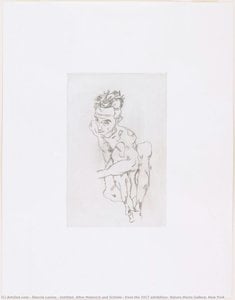
Life Drawing
Dimensioni riproduzione
Elizabeth Violet Blackadder's "Life Drawing" isn’t merely a depiction of a nude figure; it’s an invitation into a realm of contemplative serenity. Completed in 1978, this oil-on-canvas work transcends the traditional boundaries of the life drawing genre, offering a profound glimpse into the artist’s meticulous observation and her ability to capture not just form but also the very essence of human vulnerability. The piece resides within a broader body of Blackadder's oeuvre, characterized by a deep reverence for nature and an understated elegance that speaks volumes through restraint.
The composition immediately draws the viewer in. A seated female figure occupies the central space, her posture relaxed yet imbued with a subtle awareness. Draped in flowing fabric – a rich tapestry of beige and grey – she appears both exposed and utterly secure within her own presence. The couch upon which she rests isn’t merely a prop; it's an active participant in the scene, its folds and curves mirroring the gentle undulation of the figure’s form. This careful orchestration of space creates a sense of intimacy, as if we are privileged witnesses to a private moment of introspection.
Blackadder's masterful use of color is central to the painting’s evocative power. The palette is deliberately muted – a symphony of earthy tones: creams, browns, greys, and subtle hints of ochre—that evokes a sense of timelessness and quietude. Rather than striving for photographic realism, Blackadder employs an impressionistic approach, prioritizing the *feeling* of light and shadow over precise detail. Loose brushstrokes dance across the canvas, creating a shimmering surface that seems to breathe with life. Notice how she uses subtle variations in tone – a darker patch here, a lighter one there – to model the figure’s form and suggest the play of light on fabric.
The technique itself is layered and deliberate. Impasto—the application of thick paint—is evident in certain areas, particularly around the folds of the drapery, adding textural richness and depth. Conversely, other sections are rendered with a thinner, more translucent layer, allowing glimpses of the canvas beneath – a testament to Blackadder’s control and her understanding of how color interacts within a composition. The overall effect is one of luminous softness, as if the scene is bathed in the diffused light of late afternoon.
While seemingly simple on the surface, “Life Drawing” resonates with layers of symbolic meaning. The nude figure itself represents vulnerability, honesty, and a profound connection to the human condition. The act of drawing—of capturing a fleeting moment in time—is inherently an exercise in empathy, requiring the artist to truly *see* their subject. Blackadder’s careful attention to detail suggests a deep respect for her model, inviting us to contemplate the beauty and dignity inherent in the human form.
Furthermore, the setting – a draped couch – evokes a sense of domesticity and comfort, yet also hints at isolation and introspection. The figure's posture suggests a moment of quiet contemplation, perhaps a reflection on life’s complexities or a surrender to the present moment. The painting doesn’t offer easy answers; instead, it invites us to engage with our own emotions and experiences.
Elizabeth Violet Blackadder's “Life Drawing” stands as a testament to her extraordinary talent and unwavering dedication to observation. Her work, celebrated for its quiet beauty, meticulous detail, and profound emotional resonance, continues to captivate audiences today. Reproductions of this piece offer a remarkable opportunity to bring this intimate moment of serenity into any space, serving as a reminder of the enduring power of art to inspire contemplation and connection.
La dimensione di stampa consigliata per "Life Drawing" di Elizabeth Blackadder è Medium.
Elizabeth Blackadder ha utilizzato la tecnica del Oil On Canvas per "Life Drawing". La tecnica definisce la natura materica dell'opera originale.
"Life Drawing" di Elizabeth Blackadder ha una luminanza di Gentle Luminance. La luminanza descrive quanta luce sembrano riflettere i colori.


1931 - 2021 , Regno Unito

Esplora il passaggio sublime dall'Impressionismo al Post-Impressionismo. Scopri come la luce di Monet si è trasformata nell'emozione di Van Gogh e Cézanne attraverso le nostre pregiate riproduzioni a olio, realizzate a mano per collezionisti esigenti che cercano autenticità ed eccellenza.

Elevate your collection with the tactile elegance of hand-painted oil masterpieces. From bespoke reproductions to custom portraits from photography, discover museum-quality artistry crafted by academy-trained experts for discerning collectors and designers worldwide.
 Anteprima in scala reale
 Invia
Invia Condividi
 Dettagli opera
 Guida
Guida

 Scarica
 Simili
 Radiografia
 Slideshow
 Domande e risposte
 Statistiche

 Espandi i dettagli









 L'opzione vetro è disponibile solo per dimensioni inferiori a 110 cm