CONSULENZA D'ARTE GRATUITA

x
Acquista stampa Acquista stampaAcquista download Acquista download InviaInvia
DetailsDetails Aggiungi ai preferiti Aggiungi ai preferiti ScaricaScarica SimiliSimili X-RayX-Ray SlideshowSlideshow

Spring frost

Discover 'Spring Frost' by Elioth Gruner – a captivating Australian landscape painting of cows bathed in golden light. Explore the serene beauty and artistic mastery of this iconic work.

Scopri Elioth Gruner (1882-1939), pittore australiano celebre per i suoi sereni paesaggi e i 7 premi Wynne! Esplora i suoi studi impressionistici sulla luce.

Riproduzione a olio fatta a mano

Olio su tela dipinto a mano nelle tue dimensioni e con la tua cornice, realizzato su ordinazione dai nostri artisti.

P118B $10
P118H $10
P118W $10
P438Z $10
P508JH $12
P508YH $12
P805H $10
P805Z $10
P919BZ $10
P919G $10
P919XJ $10
P959ZH $10
P968JZ $12
W106C $8
W218G $10
W218JH $8
W218Y $10
W307PJ $10
W316G $10
W316PJ $8
W316Y $10
W398PJ $8
W4111J $10
W500HY $15
W500JH $15
W692G $12
W849H $8
W940BG $15
W953PJ $8

Standard
custom
CM
INCH

Scegli tra le nostre dimensioni predefinite, che rispettano le proporzioni originali dell'opera d'arte.

larghezza
altezza

È possibile inserire dimensioni personalizzate per adattare l'opera a una cornice o a uno spazio specifico. Se la dimensione selezionata non corrisponde alle proporzioni dell'immagine originale, provvederemo a ritagliare l'opera o a estendere il dipinto con elementi aggiuntivi dipinti a mano. Un mockup digitale ti sarà inviato per approvazione prima dell'inizio della produzione.
Si prega di notare che l'anteprima a schermo non riflette il ritaglio o l'estensione effettivi. Solo il mockup mostrerà accuratamente la composizione finale.
Sebbene siano disponibili dimensioni personalizzate, consigliamo di selezionare una dimensione dall'elenco predefinito per preservare le proporzioni originali.

Esempi di modifiche possibili: sostituire il volto con una foto del cliente; aggiungere un animale domestico (ad esempio, sostituire un gatto con un cane); inserire un messaggio nascosto sullo sfondo; modificare il paesaggio o gli elementi dello sfondo.
Dopo l'ordine, il team di WahooArt.com invierà un'e-mail al cliente per le istruzioni e fornirà un'anteprima del mockup

Consegna in tutto il mondo () in 3/4 settimane anziché nelle normali 5 settimane. (2 Luglio). Nessun compromesso sulla qualità.

why_choose_icon
Spedizione espressa gratuita in tutto il mondo

why_choose_icon
Tela in lino di alta qualità
why_choose_icon
Assicurazione completa sulla spedizione
why_choose_icon
Garanzia di rimborso dei dazi doganali
why_choose_icon
Garanzia di fedeltà cromatica
why_choose_icon
Politica di reso entro 60 giorni (solo per difetti)
why_choose_icon
Garanzia di rimborso al 100%
why_choose_icon
Sconto per acquisti multipli

Prezzo totale

-

reproduction

Spring frost

Tecnica di riproduzione

Dimensioni riproduzione

-

Prezzo totale finale

-

Informazioni rapide

  • Notable elements: Impressionistic light
  • Location: Art Gallery NSW
  • Dimensions: 157 x 206 cm
  • Year: 1919
  • Style: Landscape painting
  • Artist: Elioth Gruner
  • Title: Spring Frost

Quiz d'arte

Per ogni domanda è presente una sola risposta corretta.

Domanda 1:
What is the primary subject of Elioth Gruner’s ‘Spring Frost’?
Domanda 2:
In what year was ‘Spring Frost’ painted?
Domanda 3:
According to the provided text, what was a key factor in Gruner’s approach to painting ‘Spring Frost’?
Domanda 4:
Which prize did ‘Spring Frost’ win in 1919?
Domanda 5:
What artistic movement is most closely associated with Elioth Gruner’s style, as indicated by the text?

Descrizione dell'opera

A Dawn of Tranquility: Elioth Gruner’s “Spring Frost”

Elioth Gruner's "Spring Frost," painted in 1919, isn’t merely a depiction of a rural scene; it’s an immersion into the very essence of Australian light and landscape. This evocative work, now residing within the Art Gallery of New South Wales, captures a fleeting moment – the nascent warmth of early morning breaking over a pastoral vista—with a remarkable sensitivity to atmosphere and texture. Gruner, a pivotal figure in Australian Impressionism, masterfully translates the raw beauty of the Emu Plains countryside into a painting that resonates with both serenity and vibrant energy.

The scene unfolds before us: a small herd of dairy cows stands bathed in the soft glow of the rising sun, their forms rendered with a loose, expressive brushstroke. The foreground is dominated by a field of grass, its texture achieved through short, choppy strokes that seem to shimmer with reflected light. Beyond this immediate focus, the eye drifts into a hazy distance, where rolling hills and a muted sky create an expansive sense of space. Gruner’s choice of palette—a symphony of earthy browns, ochres, and subtle blues—evokes the cool tones of dawn while simultaneously injecting warmth through the golden highlights that dance across the cows' hides and the dew-kissed grasses.

The Influence of Light and Color

Gruner’s technique is deeply rooted in the Impressionist tradition, yet he possesses a distinctly Australian sensibility. He wasn’t simply aiming to replicate what he saw; instead, he sought to capture the *feeling* of that moment—the crispness of the air, the warmth on the skin, and the transformative power of light. His use of broken color, characteristic of Impressionism, creates a sense of movement and vibrancy within the painting. The colors aren’t blended smoothly; rather, they are applied in small, distinct strokes, allowing each hue to retain its individual identity and contribute to the overall luminosity of the scene.

Notably, Gruner was influenced by Max Meldrum's theories on color and light, a prominent figure in early 20th-century Australian art. Meldrum’s emphasis on “tone” – the fundamental quality of light—guided Gruner to prioritize capturing the subtle shifts in illumination across the landscape. This pursuit is evident in the painting’s masterful rendering of shadows and highlights, which create a dynamic interplay of form and atmosphere.

A Portrait of Rural Australia

"Spring Frost" isn't just a beautiful landscape; it’s also a poignant reflection on rural life in early 20th-century Australia. The presence of the cows—symbols of industry, sustenance, and connection to the land—underscores the importance of agriculture within the Australian identity. The solitary figure of the farmer, subtly integrated into the scene, suggests a quiet dignity and a deep understanding of his environment. This painting offers a glimpse into a world where life was intimately connected to the rhythms of nature.

Symbolism and Emotional Resonance

Beyond its representational qualities, “Spring Frost” is rich in symbolism. The title itself—"Spring Frost"—evokes a sense of delicate beauty and transient grace. The frost, barely perceptible yet undeniably present, hints at the fragility of life and the ephemeral nature of beauty. The painting’s overall mood is one of peaceful contemplation, inviting the viewer to slow down, appreciate the simple pleasures of rural existence, and connect with the natural world.

Reproductions of “Spring Frost” capture a significant portion of this original atmosphere. The artwork's enduring appeal lies in its ability to transport us to a bygone era—a time when life moved at a slower pace and the beauty of the Australian landscape was deeply revered. It remains a cornerstone of Australian art, embodying both the artistic innovation of its creator and the timeless allure of the bush.

Opere simili


Biografia dell'artista

Primi Anni e Influenze

  • Nascita e Famiglia: Elioth Lauritz Leganyer Gruner nacque il 16 dicembre 1882 a Gisborne, Nuova Zelanda, figlio minore di Elliott Grüner, un impiegato norvegese, e della moglie irlandese Mary Ann.
  • Primi Talenti Artistici: Dimostrò fin da piccolo una propensione al disegno.
  • Inizio della Formazione: All'età di circa 12 anni, la madre organizzò che studiasse con Julian Ashton, figura importante nell'educazione artistica australiana.
  • Sfide e Primi Lavori: Gruner affrontò difficoltà finanziarie dopo la morte del padre e del fratello maggiore quando era giovane, lavorando molte ore dai 14 anni per sostenere la famiglia. Nonostante queste sfide, continuò a dipingere nei fine settimana e iniziò a inviare opere alle mostre della Society of Artists di Sydney intorno al 1901.

Sviluppo Artistico e Stile

  • Tendenze Impressionistiche: Lo stile di Gruner è generalmente caratterizzato come impressionistico, con un focus sulla cattura della luce e dell'atmosfera nei paesaggi australiani.
  • Influenza di Norman Lindsay: Ricevette incoraggiamento dal collega artista Norman Lindsay, che contribuì a plasmare la sua direzione artistica.
  • Esperienza Europea (1923-1925): Una visita in Europa per circa due anni influenzò significativamente il suo lavoro. Semplificò le sue composizioni e prestò maggiore attenzione al pattern e alla pennellata, influenzato dalle critiche costruttive di Sir William Orpen.
  • Ritorno agli Studi sulla Luce: Più tardi nella sua carriera, Gruner tornò a concentrarsi sullo studio della luce, combinando questo con un'apprezzamento per il colore e la forma.

Principali Realizzazioni e Riconoscimenti

  • Vincitore del Wynne Prize (Più Volte): Gruner è noto soprattutto per aver vinto sette volte il prestigioso Wynne Prize alla Art Gallery of New South Wales. I suoi premi includono:

    • 1916 – "Morning Light"
    • 1919 – "Spring Frost"
    • 1921 – "The Valley of the Tweed"
  • Opera Commissionata per AGNSW: Gli fu commissionato dalla Art Gallery of New South Wales di dipingere “The Valley of the Tweed”, un'opera su larga scala che, sebbene significativa, non è considerata tra i suoi lavori migliori.
  • Mostra Personale (1927): Tenne una mostra personale di successo nel 1927, dimostrando il crescente riconoscimento e la domanda per la sua arte.

Vita Successiva e Significato Storico

  • Sfide alla Salute: Gruner soffrì di nefrite cronica, che portò alla sua morte.
  • Morte e Cremazione: Morì a casa sua a Waverley il 17 ottobre 1939 e fu cremato con riti anglicani.
  • Significato Artistico: Elioth Gruner è ricordato come un importante pittore di paesaggi australiano che catturò la bellezza della campagna del New South Wales con sensibilità e abilità. Il suo successo costante al Wynne Prize consolidò il suo posto nella storia dell'arte australiana.
  • Riconoscimento Recente: Nel 2014, il suo dipinto "Untitled (The Dry Road)" fu acquisito dal Canberra Museum and Gallery, evidenziando ulteriormente l'appeal duraturo del suo lavoro.
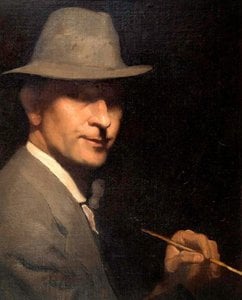
Elioth Gruner

Elioth Gruner

1882 - 1939 , Nuova Zelanda

Dati rapidi

  • Artisti Influenti:
    • Julian Ashton
    • Norman Lindsay
  • Data Di Morte: 17 ottobre 1939
  • Data Di Nascita: 16 dicembre 1882
  • Luogo Di Nascita: Gisborne, Nuova Zelanda
  • Movimento Artistico: Impressionismo
  • Nazionalità: Australiano
  • Nome Completo: Elioth Gruner
  • Opere Notevoli:
    • Morning Light
    • Spring Frost
    • The Valley of the Tweed