x
Anteprima in scala realeAnteprima in scala reale Anteprima ARAnteprima AR Acquista il dipinto realizzato a mano Acquista il dipinto realizzato a manoAcquista immagine Acquista immagine InviaInvia
Dettagli operaDettagli opera Aggiungi ai preferiti Aggiungi ai preferiti Scarica immagineScarica immagine SimiliSimili RadiografiaRadiografia SlideshowSlideshow

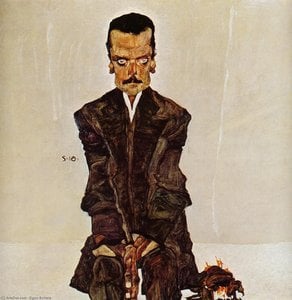
Woman with Slipper

Egon Schiele's 'Woman with Slipper' captures vulnerability and intimacy through haunting charcoal lines. Explore the artist’s Expressionist style and poignant portrayal of human emotion in this iconic work.

Scopri l'arte espressionista di Egon Schiele (1890-1918): ritratti audaci, temi psicologici e linee uniche. Esplora le riproduzioni su WahooArt.

Giclée / Stampe d'arte

Stampa giclée o su tela di qualità museale, con produzione rapida e diverse opzioni di finitura. (Acquista il dipinto realizzato a mano Acquista il dipinto realizzato a manoAcquista immagine Acquista immagine)

P118B $10
P118H $10
P118W $10
P438Z $10
P508JH $12
P508YH $12
P805H $10
P805Z $10
P919BZ $10
P919G $10
P919XJ $10
P959ZH $10
P968JZ $12
W106C $8
W218G $10
W218JH $8
W218Y $10
W307PJ $10
W316G $10
W316PJ $8
W316Y $10
W398PJ $8
W4111J $10
W500HY $15
W500JH $15
W692G $12
W849H $8
W940BG $15
W953PJ $8

Formato standard
su misura
CM
INCH

Scegli tra le nostre dimensioni predefinite, che rispettano le proporzioni originali dell'opera d'arte.

larghezza
altezza

È possibile inserire dimensioni personalizzate per adattare l'opera a una cornice o a uno spazio specifico. Se la dimensione selezionata non corrisponde alle proporzioni dell'immagine originale, procederemo al ritaglio dell'opera o all'estensione dell'immagine con un bordo specchiato o a tinta unita. Un mockup digitale ti verrà inviato per approvazione prima dell'inizio della produzione.
Si prega di notare che l'anteprima a schermo non riflette il ritaglio o l'estensione effettivi. Solo il mockup mostrerà accuratamente la composizione finale.
Sebbene siano disponibili dimensioni personalizzate, si raccomanda di selezionare una dimensione dall'elenco predefinito per preservare le proporzioni originali.

Consegna in tutto il mondo () in 2 settimane invece delle normali 4/5 settimane. (3 Settembre)

why_choose_icon
Spedizione espressa gratuita in tutto il mondo
why_choose_icon
Tela in lino di alta qualità
why_choose_icon
Assicurazione completa sulla spedizione
why_choose_icon
Garanzia di rimborso dei dazi doganali
why_choose_icon
Garanzia di fedeltà cromatica
why_choose_icon
Politica di reso entro 60 giorni (solo per difetti di fabbricazione)
why_choose_icon
Garanzia di rimborso al 100%
why_choose_icon
Offerta per acquisti multipli

Prezzo totale

$ 68

reproduction

Woman with Slipper

Giclée / Stampe d'arte

Dimensioni riproduzione

-

Prezzo totale calcolato

$ 68

Informazioni rapide

  • Year: 1917
  • Influences:
    • Klimt
    • Austrian art
  • Medium: Charcoal on paper
  • Artist: Egon Schiele
  • Title: Woman with Slipper
  • Location: MoMA, New York
  • Subject or theme: Portraiture, Loneliness

Quiz d'arte

Per ogni domanda è presente una sola risposta corretta.

Domanda 1:
What is the primary subject of Egon Schiele’s ‘Woman with Slipper’?
Domanda 2:
The drawing ‘Woman with Slipper’ is primarily executed using which medium?
Domanda 3:
Considering Egon Schiele's artistic style, what is a prominent characteristic of his work?

A Portrait of Quiet Despair: Egon Schiele's "Woman with Slipper"

Egon Schiele’s “Woman with Slipper,” a deceptively simple charcoal drawing, is far more than a depiction of a seated figure. Completed in 1917 during a tumultuous period in his life and the broader landscape of early 20th-century Europe, it's a profoundly intimate exploration of vulnerability, mortality, and the unsettling beauty of human fragility. The image presents a woman, shrouded in a fur coat that suggests both warmth and isolation, seated with an air of quiet contemplation. Her posture is subtly slumped, hinting at weariness or perhaps a deeper emotional burden. The drawing’s stark black and white palette amplifies this sense of melancholy, stripping away any superficial prettiness to reveal the raw core of her being.

Schiele's technique is immediately striking. He employs a rapid, almost frantic series of short, broken lines – a hallmark of his expressive style. These aren’t carefully rendered details; instead, they are gestural marks that convey movement and emotion with remarkable immediacy. The fur coat isn’t meticulously shaded but rather suggested through a flurry of overlapping strokes, creating an impression of texture and volume without resorting to precise rendering. The slipper itself, positioned prominently on the floor, becomes a potent symbol – a small, vulnerable object representing comfort, domesticity, and perhaps even a lost sense of security.

The Shadow of Vienna: Schiele’s Personal Context

To fully appreciate “Woman with Slipper,” it's crucial to understand the context in which it was created. 1917 was a year marked by immense personal tragedy for Schiele – his sister Elvira died, and he himself contracted influenza, battling illness throughout the winter. His father’s earlier death from syphilis, a devastating event that had profoundly shaped his artistic vision, continued to resonate within him. This atmosphere of loss and uncertainty permeated his work, fueling an obsession with themes of mortality, disease, and the precariousness of human existence. The drawing can be read as a reflection of this internal struggle – a visual manifestation of grief, loneliness, and the awareness of one’s own vulnerability.

Schiele's life in Vienna during this period was also characterized by social constraints and artistic pressures. He navigated the competitive world of Viennese art circles, often clashing with established figures like Gustav Klimt, whose more decorative style contrasted sharply with Schiele’s intensely personal and emotionally charged approach. His work was frequently met with criticism for its perceived vulgarity and sexuality, yet it also attracted a devoted following who recognized in his images a raw honesty and unflinching portrayal of the human condition.

Symbolism and Emotional Resonance

Beyond its immediate visual impact, “Woman with Slipper” is rich in symbolic meaning. The fur coat, as mentioned earlier, represents both protection and isolation. It’s a shield against the coldness of the world but also a barrier that separates her from connection. The slipper itself, a small, everyday object, becomes imbued with significance – it speaks to domesticity, comfort, and perhaps even a longing for simpler times. The woman's gaze is averted, suggesting introspection or a reluctance to engage with the viewer. This creates an immediate sense of intimacy, inviting us into her private world and prompting questions about her thoughts and feelings.

The drawing’s overall effect is profoundly unsettling yet undeniably captivating. It’s not a comfortable image; it confronts us with the realities of human suffering and the inevitability of death. However, within this darkness lies a strange beauty – a testament to Schiele's ability to capture the essence of human emotion with remarkable intensity and honesty. “Woman with Slipper” remains a powerful reminder of the fragility of life and the enduring power of art to explore the deepest recesses of the human psyche.

Bringing Schiele’s Vision Home: High-Quality Reproductions

WahooArt offers meticulously crafted, hand-painted reproductions of Egon Schiele's “Woman with Slipper,” allowing you to experience the full impact of this iconic artwork in your own space. Our skilled artists faithfully recreate Schiele’s distinctive style and emotional intensity, using archival-quality materials to ensure that the reproduction captures the nuances of the original drawing. Whether you are an art collector, a design enthusiast, or simply someone seeking a piece of art with profound depth and beauty, our “Woman with Slipper” reproduction provides a stunning tribute to one of the 20th century’s most compelling artists.


Biografia dell'artista

Egon Schiele: Vita e Eredità

Primi Anni di Vita e Influenze

  • Nato il 12 giugno 1890 a Tulln an der Donau, in Bassa Austria, Egon Schiele ha vissuto un'infanzia segnata sia da inclinazione artistica che da difficoltà personali.
  • Suo padre, Adolf Schiele, era un capostazione, instillando nel giovane Egon una fascinazione per i treni – un motivo che apparirebbe in modo sottile più tardi nella sua opera.
  • La prematura morte del padre a causa della sifilide quando Schiele aveva 14 anni lo ha profondamente segnato, portando al suo allevamento da parte di suo zio materno, Leopold Czihaczek.
  • Czihaczek fornì sostegno ma esercitò anche un'influenza controllante, che contribuì alla complessa psiche riflessa nell’arte di Schiele.

Percorso Artistico e Sviluppo

  • La formazione artistica di Schiele iniziò alla Kunstgewerbeschule (Scuola d'Arti e Artigianato) a Vienna, ma presto passò all’Akademie der bildenden Künste (Accademia delle Arti Figurative).
  • Si è rapidamente disillusionato con l’approccio conservatore dell’Accademia, trovandolo soffocante per la sua visione espressiva. Alla fine, ha lasciato la formazione formale.
  • Le influenze iniziali includevano Gustav Klimt, una figura di spicco della Vienna Secessione, il cui stile decorativo e l'esplorazione del simbolismo risuonavano con Schiele. Tuttavia, Schiele ben presto sviluppò uno stile distintamente individuale.
  • Le sue prime opere presentavano spesso ritratti e autoritratti inquietanti, caratterizzati da figure distorte ed emotività intensa.

Caratteristiche e Temi Chiave

  • L’arte di Schiele è rinomata per la sua onestà cruda e profondità psicologica. Ha esplorato senza paura temi come la sessualità, la morte, l'ansia e l'isolamento.
  • Il suo stile distintivo presenta figure allungate, pose contorte e linee espressive che trasmettono un senso di vulnerabilità e tormento emotivo.
  • Autoritratti costituiscono una parte significativa della sua produzione, offrendo scorci intimi nel suo mondo interiore.
  • Ha inoltre creato numerosi ritratti di altri, spesso raffigurandoli con realismo senza compromessi e intuizione psicologica.
  • La pittura paesaggistica ha avuto un ruolo nel suo lavoro, dimostrando la sua maestria nella forma e nel colore, sebbene fosse meno centrale delle sue opere figurative.

Realizzazioni Significative e Riconoscimenti

  • Nonostante abbia affrontato censure e sfide legali (inclusa una breve detenzione per presunta corruzione di minori con la sua arte), Schiele ha ottenuto riconoscimento nei circoli d'avanguardia viennesi.
  • Ha co-fondato il Neues Wiener Kunstgruppe (Nuovo Gruppo Artistico Viennese) nel 1909, esponendo le sue opere insieme ad altri artisti progressisti.
  • Opere significative includono Autoritratto con physalis, Coppia che si abbraccia e Paesaggio col campo (Kreuzberg vicino a Krumau).
  • Entro il tempo della sua prematura morte, Schiele si era affermato come una figura di spicco dell'Espressionismo austriaco.

Significato Storico e Eredità

  • Egon Schiele è morto nel 1918 durante la pandemia di influenza spagnola all’età di 28 anni, troncando una promettente carriera.
  • Il suo lavoro ha influenzato profondamente le generazioni successive di artisti, in particolare quelli interessati ad esplorare temi psicologici e a sfidare le norme artistiche convenzionali.
  • L'approccio audace di Schiele alla forma e all’argomento continua a risuonare con il pubblico di oggi, rendendolo uno dei personaggi più importanti e influenti dell'arte del primo XX secolo.
  • I suoi dipinti sono ora conservati nelle principali collezioni museali in tutto il mondo, e le riproduzioni della sua opera sono ampiamente disponibili, assicurando la longevità della sua eredità artistica.
Egon Schiele

Egon Schiele

1890 - 1918 , Croazia

Dati rapidi

  • Artisti Influenti: ['Gustav Klimt']
  • Artisti Influenzati: ['Generazioni successive di artisti']
  • Data Di Nascita: 12 giugno 1890
  • Luogo Di Nascita: Vienna, Croazia
  • Movimento Artistico: Espressionismo
  • Nazionalità: Austriaco
  • Nome Completo: Egon Schiele
  • Opere Notevoli:
    • Autoritratto con Physalis
    • Coppia che si abbraccia
    • Paesaggio col campo (Kreuzberg)
Esplora le opere d'arte organizzate per temi, stili e caratteristiche.