CONSULENZA D'ARTE GRATUITA

x
Acquista stampa Acquista stampaOrdina la riproduzione Ordina la riproduzione InviaInvia
DettagliDettagli Aggiungi ai preferiti Aggiungi ai preferiti ScaricaScarica SimiliSimili RadiografiaRadiografia SlideshowSlideshow

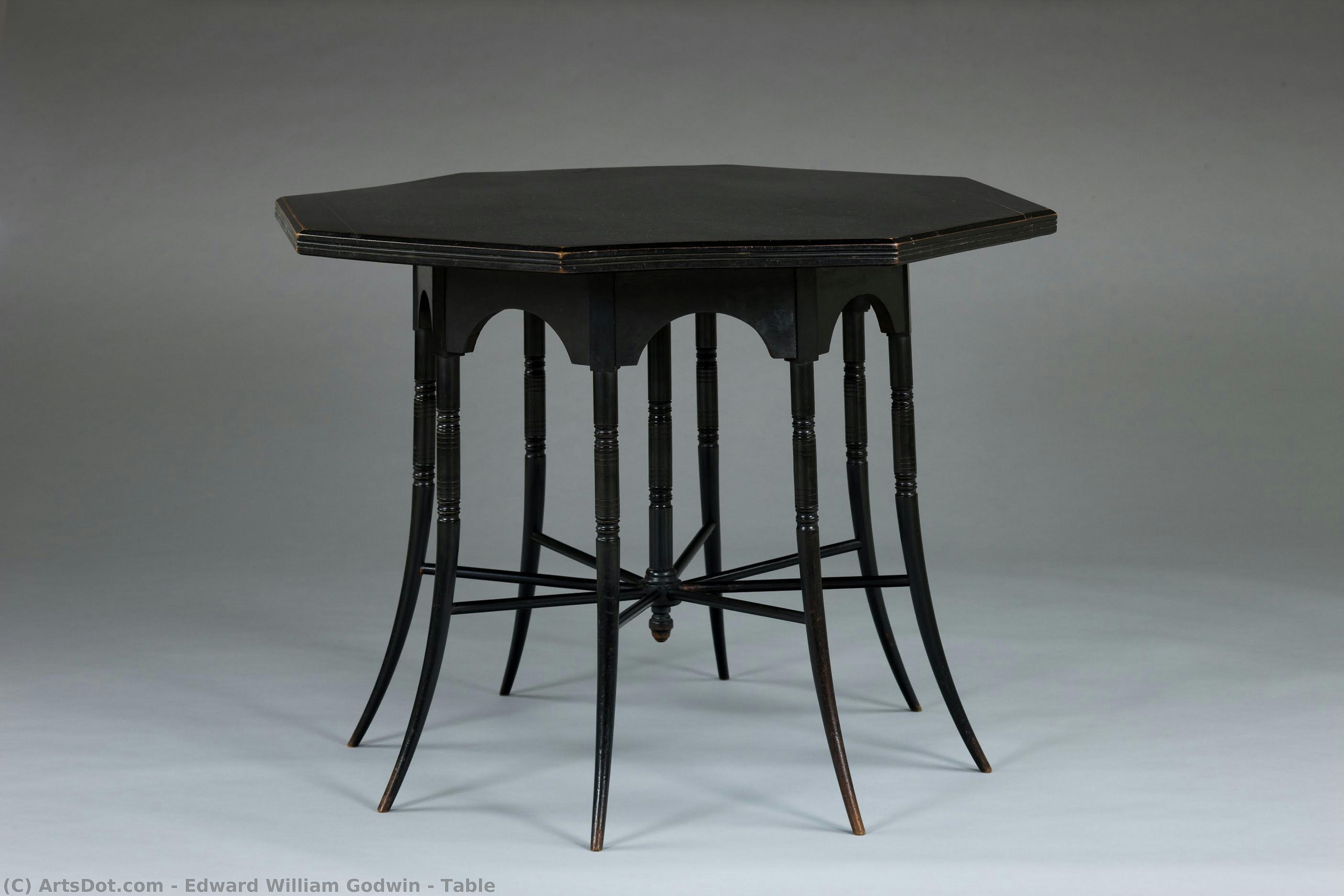
Table

Edward William Godwin (1833-1886): Architetto inglese innovativo e designer dello stile estetico. Influenzò il movimento Arts and Crafts con opere audaci e una visione originale della bellezza.

Acquista un'immagine digitale ad alta risoluzione e ottimizzata, di qualità nettamente superiore all'anteprima online.

Ogni file è meticolosamente preparato dai nostri specialisti interni attraverso l'uso di strumenti avanzati e un sapiente ritocco manuale. Garantiamo che ogni immagine presenti una chiarezza eccezionale, una precisione cromatica impeccabile e dettagli raffinati.

Il file finale viene consegnato via e-mail entro 72 ore, ottimizzato per un uso immediato in contesti professionali, editoriali e di stampa. Si tratta della stessa qualità affidata dai più prestigiosi studi di design, editori e gallerie d'arte.

Immagine Digitale

Scarica un file ad alta risoluzione per uso personale, per la stampa e per progetti creativi.

Prezzo totale

$9.99

Incluso in ogni ordine di immagini digitali

Consegna digitale professionale e garantita

Quando scegli WahooArt.com, non riceverai solo un'immagine: riceverai un'opera d'arte digitale professionalmente ottimizzata, realizzata con la massima precisione e accompagnata da una garanzia di soddisfazione. Ecco tutto ciò che include il tuo ordine, automaticamente:

shipping_icon
Consegna rapida via email

Riceverai il file dell'immagine digitale ad alta risoluzione via email entro 72 ore dall'ordine, pronto per un uso immediato.

canvas_icon
File digitale ottimizzato dall'IA

La tua opera d'arte viene ottimizzata professionalmente attraverso l'uso di strumenti avanzati di intelligenza artificiale e una revisione manuale, garantendo il massimo livello di dettaglio, nitidezza e accuratezza cromatica.

insurance_icon
Riconsegna gratuita a vita

Hai eliminato o perso accidentalmente il tuo file? Non preoccuparti: te lo invieremo di nuovo in qualsiasi momento, gratuitamente.

tax_icon
Nessun costo di importazione - Sempre

Goditi la tua opera d'arte istantaneamente senza costi doganali, dazi o spese di spedizione: i download digitali sono sempre esenti da tasse.

color_icon
Garanzia di fedeltà cromatica

Garantiamo che la tua immagine digitale rifletta i colori originali con la massima fedeltà, grazie all'uso di strumenti professionali e a una gestione accurata del colore.

return_icon
Garanzia di soddisfazione di 60 giorni

Se non sei soddisfatto della tua immagine digitale, la revisioneremo o ti rimborseremo il 100% entro 60 giorni, senza domande.

guarantee_icon
Garanzia di rimborso al 100%

Non sei soddisfatto? Ricevi un rimborso completo entro 60 giorni dalla ricezione del tuo file digitale, senza dover fornire spiegazioni.

discount_icon
Sconti per ordini multipli

Acquista 3 immagini, risparmia il 10% - Acquista 5, risparmia il 15% - Acquista 10+, risparmia il 20%. Ideale per progetti creativi, gallerie e agenzie.

Opere simili


Biografia dell'artista

A Pioneer of Progressive Design: The Life and Work of Edward William Godwin

Edward William Godwin, born in Bristol in 1833 and passing away in 1886, was a remarkably forward-thinking English architect and designer whose career spanned a period of intense stylistic transition. He wasn’t merely a participant in the Victorian aesthetic landscape; he actively shaped it, moving from the heavily ornamented “Ruskinian Gothic” favored in mid-Victorian Britain to embrace the burgeoning “Anglo-Japanese taste” that characterized the Aesthetic Movement. Godwin's influence resonates even today, subtly woven into the fabric of the Arts and Crafts movement which followed closely on his heels. His early successes included significant public commissions like the Guildhall in Northampton – a testament to his initial mastery of Ruskinian principles – and the Town Hall in Congleton, alongside restorative work at Dromore Castle in Limerick and Castle Ashby. These projects demonstrated a skill for reviving historical forms, but they were merely stepping stones towards a more radical vision. Godwin’s architectural training was largely self-directed, beginning with an apprenticeship to an engineer in Bristol before relocating to London around 1862 where he encountered the influential Gothic Revival designer William Burges. This encounter sparked a lifelong fascination with medieval costume, furniture and architecture, fueling his antiquarian interests.

Early Influences and Architectural Training

Godwin’s formative years instilled within him a profound appreciation for craftsmanship and meticulous detail—qualities that would permeate his entire oeuvre. Unlike many architects of his time who relied solely on academic training, Godwin pursued independent study, immersing himself in the architectural heritage of Europe and meticulously examining specimens of Gothic Revival design. This dedication to observation and experimentation proved invaluable as he honed his skills and developed a distinctive aesthetic sensibility. His apprenticeship with William Burges provided him with firsthand experience in tackling ambitious projects—a formative encounter that cemented his commitment to reviving historic styles while simultaneously pushing boundaries. Godwin’s fascination with Burges' monumental Gothic Revival style extended beyond mere imitation; it instilled within him a belief in the transformative power of architecture to inspire awe and elevate the human spirit. This conviction would inform his approach to subsequent commissions, prioritizing grandeur and elegance alongside innovative structural solutions.

The Aesthetic Movement and Anglo-Japanese Inspiration

Godwin’s architectural practice coincided with the ascendance of the Aesthetic Movement—a cultural phenomenon that championed artistic freedom and challenged conventional notions of beauty. Influenced by thinkers like Walter Pater and Oscar Wilde, Godwin embraced the movement's ethos of rejecting didacticism in favor of sensual experience and prioritizing emotional resonance over intellectual argumentation. This commitment to aesthetic contemplation manifested itself most powerfully in his exploration of Japanese art—a fascination that would propel him into uncharted stylistic territory. Recognizing the profound influence of Japan on European design sensibilities, Godwin embarked upon a quest to understand and embody the spirit of Japanese aesthetics—a pursuit characterized by simplicity, natural materials, and refined craftsmanship. This is vividly apparent in his furniture designs, particularly those executed with an ebonized finish for Dromore Castle and his own home from 1867 onwards. These pieces weren’t merely decorated; they were conceived according to principles of Japanese spatial awareness and proportion. Similar stripped-down “Anglo-Japanese” designs were later produced by firms like William Watt and Collinson & Lock, further disseminating Godwin's vision.

Notable Architectural Achievements

Godwin’s architectural accomplishments stand as enduring symbols of Victorian innovation—a testament to his unwavering dedication to pushing stylistic boundaries while upholding the highest standards of craftsmanship. Among his most celebrated projects were:
  • Guildhall, Northampton (1867):A magnificent Gothic Revival edifice that embodies Godwin's mastery of Ruskinian principles and showcases intricate sculptural ornamentation.
  • Town Hall, Congleton (1870):Another impressive Gothic Revival building characterized by soaring arches and elegant detailing—a testament to Godwin’s ability to transform historical forms into spaces of civic pride.
  • The White House (1873):A daring experiment in structural engineering that incorporated innovative cantilevered balconies and challenged conventional architectural conventions.

Collaboration, Legacy, and Enduring Influence

Godwin’s artistic collaborations—particularly his partnership with James McNeill Whistler—further solidified his position as a leading figure in Victorian culture. Together, they embarked on ambitious projects aimed at redefining the aesthetic experience—most notably the construction of Whistler's iconic “White House” on Tite Street, Chelsea. Godwin’s willingness to reimagine exhibition spaces—completely redecorating galleries to complement Whistler’s radical Impressionist paintings of Venice—further demonstrates his holistic approach to art and design. His involvement with the new garden suburb of Bedford Park in 1876, however, proved less successful; his house designs were criticized for their steep staircases, unconventional bathroom layouts, small rooms, and narrow corridors – ultimately leading to only a few being built. Despite these setbacks, Godwin’s legacy persists—a testament to his visionary spirit—a willingness to challenge conventions and embrace new influences that paved the way for modern design sensibilities. His enduring influence can be seen in the work of subsequent architects and designers who adopted his principles of simplicity, elegance, and artistic innovation.
Edward William Godwin

Edward William Godwin

1939 - 1886 , Regno Unito

Informazioni rapide

  • Artistic Movement Or Style: Anglo-Japanese
  • Artists Or Movements Influenced By This Artist: ['Arts and Crafts Movement']
  • Artists Who Influenced This Artist: ['William Burges']
  • Date Of Birth: 1833
  • Date Of Death: 1886
  • Full Name: Edward William Godwin
  • Nationality: British
  • Notable Artworks:
    • Guild Hall, Northampton
    • Town Hall, Congleton
    • The White House
  • Place Of Birth: Bristol, UK