CONSULENZA D'ARTE GRATUITA

x
Acquista stampa Acquista stampaAcquista download Acquista download InviaInvia
DettagliDettagli Aggiungi ai preferiti Aggiungi ai preferiti ScaricaScarica SimiliSimili RadiografiaRadiografia SlideshowSlideshow

Philae, Egypt

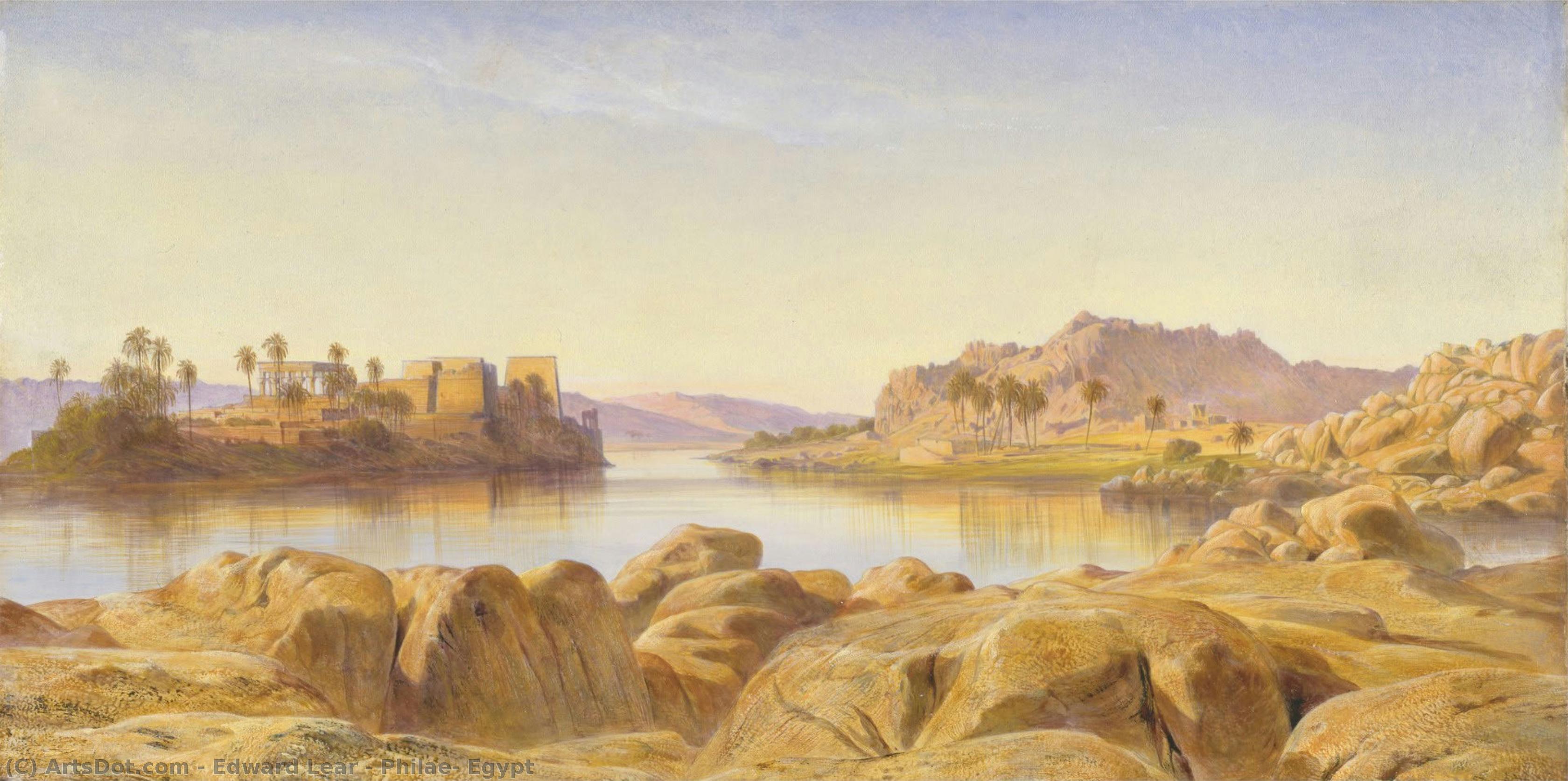
Edward Lear's "Philae, Egypt, 1863" captures a serene landscape of ancient Egypt with mountains and water. A beautiful oil painting by the whimsical artist, showcasing his unique style.

Scopri Edward Lear (1812-1888), artista e poeta inglese! Dipinti di paesaggi vibranti, versi nonsense come 'L'Alluce e il Gatto', illustrazioni dettagliate di uccelli. Un innovatore vittoriano!

Riproduzione a olio fatta a mano

Olio su tela dipinto a mano nelle tue dimensioni e con la tua cornice, realizzato su ordinazione dai nostri artisti.

P118B $10
P118H $10
P118W $10
P438Z $10
P508JH $12
P508YH $12
P805H $10
P805Z $10
P919BZ $10
P919G $10
P919XJ $10
P959ZH $10
P968JZ $12
W106C $8
W218G $10
W218JH $8
W218Y $10
W307PJ $10
W316G $10
W316PJ $8
W316Y $10
W398PJ $8
W4111J $10
W500HY $15
W500JH $15
W692G $12
W849H $8
W940BG $15
W953PJ $8

Standard
custom
CM
INCH

Scegli tra le nostre dimensioni predefinite, che rispettano le proporzioni originali dell'opera d'arte.

larghezza
altezza

È possibile inserire dimensioni personalizzate per adattare l'opera a una cornice o a uno spazio specifico. Se la dimensione selezionata non corrisponde alle proporzioni dell'immagine originale, provvederemo a ritagliare l'opera o a estendere il dipinto con elementi aggiuntivi dipinti a mano. Un mockup digitale ti sarà inviato per approvazione prima dell'inizio della produzione.
Si prega di notare che l'anteprima a schermo non riflette il ritaglio o l'estensione effettivi. Solo il mockup mostrerà accuratamente la composizione finale.
Sebbene siano disponibili dimensioni personalizzate, consigliamo di selezionare una dimensione dall'elenco predefinito per preservare le proporzioni originali.

Esempi di modifiche possibili: sostituire il volto con una foto del cliente; aggiungere un animale domestico (ad esempio, sostituire un gatto con un cane); inserire un messaggio nascosto sullo sfondo; modificare il paesaggio o gli elementi dello sfondo.
Dopo l'ordine, il team di WahooArt.com invierà un'e-mail al cliente per le istruzioni e fornirà un'anteprima del mockup

Consegna in tutto il mondo () in 3/4 settimane anziché nelle normali 5 settimane. (2 Luglio). Nessun compromesso sulla qualità.

why_choose_icon
Spedizione espressa gratuita in tutto il mondo
why_choose_icon
Tela in lino di alta qualità
why_choose_icon
Assicurazione completa sulla spedizione
why_choose_icon
Garanzia di rimborso dei dazi doganali
why_choose_icon
Garanzia di fedeltà cromatica
why_choose_icon
Politica di reso entro 60 giorni (solo per difetti)
why_choose_icon
Garanzia di rimborso al 100%
why_choose_icon
Sconto per acquisti multipli

Prezzo totale

-

reproduction

Philae, Egypt

Tecnica di riproduzione

Dimensioni riproduzione

-

Prezzo totale finale

-

Informazioni rapide

  • Location: Yale Center for British Art
  • Title: Philae, Egypt
  • Artistic style: Landscape painting
  • Dimensions: 27 x 53 cm
  • Artist: Edward Lear
  • Subject or theme: Egyptian scenery
  • Medium: Oil on canvas

Quiz d'arte

Per ogni domanda è presente una sola risposta corretta.

Domanda 1:
What is the primary subject depicted in the painting "Philae, Egypt"?
Domanda 2:
In what year was the painting "Philae, Egypt" created?
Domanda 3:
Who is the artist responsible for creating the painting "Philae, Egypt"?
Domanda 4:
What type of landscape is most prominently featured in the painting?
Domanda 5:
Based on the description, what is a key characteristic of Edward Lear's artistic style?

Descrizione dell'opera

A Vision of Ancient Egypt: Edward Lear’s “Philae, Egypt, 1863”

Edward Lear's "Philae, Egypt, 1863" isn’t merely a landscape painting; it’s a portal. A meticulously rendered vista of the ancient Egyptian island city of Philae, nestled within the embrace of a vast, shimmering lake, it invites us to step back in time and experience the serenity and grandeur of this once-sacred site. The scene unfolds with a quiet dignity – a majestic mountain range dominates the background, its peaks softened by atmospheric haze, while a sprawling body of water reflects the sky above, creating an illusion of infinite depth. Scattered across the foreground are figures—likely travelers or locals—adding a subtle human element to this otherwise timeless tableau. Lear’s choice of palette is masterful; he employs muted blues and greens for the water, contrasted with earthy ochres and browns for the mountains and surrounding landscape. This restrained color scheme doesn't diminish the scene's beauty; rather, it enhances its sense of realism and evokes a feeling of distant memory.

The painting’s historical context is crucial to understanding its emotional resonance. Philae, dedicated to the goddess Isis, held immense religious significance for centuries. By the 19th century, however, much of the island complex had fallen into disrepair and was threatened by rising waters from the Aswan Dam project. Lear's depiction, created just a few years before the dam’s completion, captures a fleeting moment in time—a testament to the beauty that was about to be lost. It speaks to a poignant awareness of cultural heritage and the inevitable passage of history.

The Delicate Brushwork: A Study in Watercolor Technique

Lear's distinctive style is immediately recognizable through his delicate, almost translucent watercolor technique. He eschews bold outlines and heavy brushstrokes, instead favoring subtle gradations of color and washes that create a sense of atmospheric perspective. The mountains, for instance, are rendered with layers of pale blue and grey, suggesting distance and the play of light on their surfaces. The water’s surface is treated with a shimmering quality—a series of broken strokes and diluted pigments that capture its fluidity and reflectivity. This meticulous attention to detail, combined with his mastery of color, results in an image that feels both incredibly detailed and remarkably ethereal.

He employed a technique known as ‘wet-on-wet,’ applying wet paint onto a still-damp surface, allowing the colors to bleed and blend together organically. This created soft edges and diffused tones, contributing significantly to the painting’s dreamlike quality. The layering of washes is particularly evident in the depiction of the distant mountains, where faint outlines gradually fade into the hazy background.

Symbolism and a Sense of Isolation

Beyond its purely representational qualities, “Philae, Egypt, 1863” carries layers of symbolic meaning. The vastness of the landscape—the towering mountains and expansive water—evokes a sense of human insignificance in the face of nature’s grandeur. The scattered figures in the foreground serve as reminders of our connection to the past, yet their isolation suggests a feeling of detachment from this ancient world. Lear himself was known for his introspective nature and fascination with solitude; these themes resonate deeply within the painting.

Furthermore, the island itself—a sanctuary dedicated to Isis, a powerful goddess associated with magic, motherhood, and protection—hints at a deeper spiritual significance. The scene can be interpreted as a meditation on faith, memory, and the enduring power of ancient traditions. The inclusion of figures enjoying the view suggests an appreciation for beauty and tranquility, values that seem timeless and universal.

A Legacy of Wonder: Reproductions and Artistic Inspiration

Reproductions of “Philae, Egypt, 1863” offer a remarkable opportunity to experience Lear’s artistic vision firsthand. Whether displayed in a grand salon or a cozy study, this painting evokes a sense of wonder and invites contemplation. Its delicate beauty and evocative atmosphere make it an ideal choice for collectors seeking pieces that are both visually stunning and intellectually stimulating. The painting's enduring appeal lies not only in its technical mastery but also in its ability to transport us to another time and place—a world of ancient mysteries, breathtaking landscapes, and the quiet contemplation of human existence.


Biografia dell'artista

La Vita e la Carriera di Edward Lear

Edward Coley Burne-Jones (1812-1888), artista, illustratore, musicista, autore e poeta inglese, nacque il 12 maggio 1812 a Holloway, nel nord di Londra. Figlio penultimo di una famiglia numerosa composta da ben 21 figli, la vita di Lear fu segnata dall'inizio precoce della sua carriera all'età di soli 15 anni. Suo padre, Jeremiah Lear, un broker finanziario, affrontò difficoltà economiche dopo le guerre napoleoniche, portando a una riduzione delle finanze familiari e alla necessità per Lear di mantenersi da solo in giovane età.

Contributi Artistici

I contributi artistici di Lear sono molteplici:
  • Illustrazioni di uccelli e animali: impiegato dalla Zoological Society, i primi lavori di Lear esposero la sua abilità nell'illustrare uccelli e animali.
  • Pittura paesaggistica: dopo i suoi estesi viaggi in Europa e Asia, Lear si dedicò alla pittura paesaggistica, catturando l'essenza di queste regioni nelle sue opere.
  • Autore e poeta: la fama di Lear risiede nella sua poesia nonsense, nei limerick e nelle poesie umoristiche, come si può vedere nei suoi libri "A Book of Nonsense" (1846), "Nonsense Songs" (1871) e "Laughable Lyrics" (1877).
  • Composizioni musicali: Lear compose musiche per poesie di Alfred Tennyson, con dodici opere pubblicate.

Opere Notabili e Eredità

Alcune delle opere più notevoli di Lear includono:

  • The Owl and the Pussycat, una poesia che è diventata sinonimo del suo stile.
  • The Dong with the Luminous Nose, che mostra il suo approccio fantastico alla poesia.
  • Illustrazioni della famiglia di Psittacidae, o pappagalli (1830), la sua prima pubblicazione all'età di 19 anni.
Lear è ricordato per aver reso popolare il limerick, una forma poetica che ha contribuito a diffondere in tutto il mondo. La sua capacità di combinare elementi assurdi e umoristici con illustrazioni vivaci lo ha reso un artista unico nel suo genere.

Musei e Collezioni

Le opere di Lear possono essere ammirate in vari musei, tra cui:
  • Il Museo Ashmolean di Oxford, che espone il suo dipinto a olio "The Plains of Lombardy from Monte Generoso".
  • Altre collezioni notevoli e musei che presentano l'arte di Lear possono essere trovati nel vasto database di WahooArt.com.
L’eredità di Edward Lear è una testimonianza del suo approccio innovativo all'arte, combinando umorismo, poesia nonsense e pittura paesaggistica. La sua influenza sul mondo dell'arte e della letteratura rimane impareggiabile, con le sue opere che continuano a ispirare nuove generazioni.
Edward Lear

Edward Lear

1812 - 1888 , Regno Unito

Dati rapidi

  • Data Di Nascita: 12 maggio 1812
  • Luogo Di Nascita: Londra, Regno Unito
  • Movimento Artistico O Stile: Romanticismo, Nonsense
  • Nazionalità: Britannico
  • Nome Completo: Edward Lear
  • Opere Notevoli:
    • L'allodola e il gatto
    • Il dong con il naso luminoso
    • Illustrazioni di Psittacidi
Esplora opere d'arte organizzate per temi, stili e caratteristiche.