CONSULENZA D'ARTE GRATUITA

x
Acquista stampa Acquista stampaOrdina la riproduzione Ordina la riproduzione InviaInvia
Dettagli operaDettagli opera Aggiungi ai preferiti Aggiungi ai preferiti ScaricaScarica SimiliSimili RadiografiaRadiografia SlideshowSlideshow

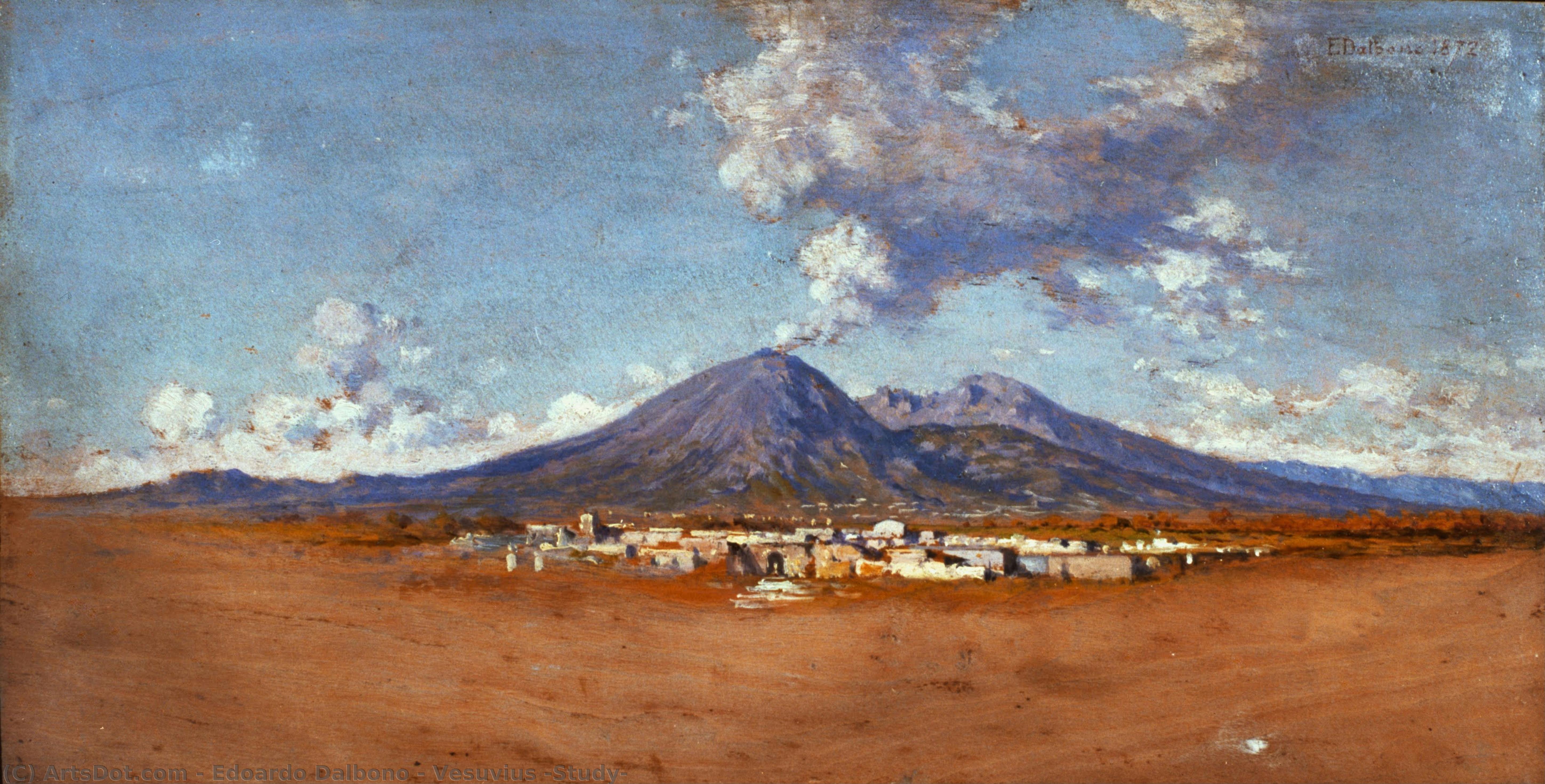
Vesuvius (Study)

Scopri Edoardo Dalbono, pittore napoletano del XIX secolo celebre per i suoi paesaggi luminosi e scene evocative della città partenopea. Esplora il suo stile unico e la sua eredità nell'arte italiana!

Acquista un'immagine digitale ad alta risoluzione e ottimizzata, di qualità nettamente superiore all'anteprima online.

Ogni file è meticolosamente preparato dai nostri specialisti interni attraverso l'uso di strumenti avanzati e un sapiente ritocco manuale. Garantiamo che ogni immagine presenti una chiarezza eccezionale, una precisione cromatica impeccabile e dettagli raffinati.

Il file finale viene consegnato via e-mail entro 72 ore, ottimizzato per un uso immediato in contesti professionali, editoriali e di stampa. Si tratta della stessa qualità affidata dai più prestigiosi studi di design, editori e gallerie d'arte.

Immagine Digitale

Scarica un file ad alta risoluzione per uso personale, per la stampa e per progetti creativi.

Prezzo totale

$9.99

Incluso in ogni ordine di immagini digitali

Consegna digitale professionale e garantita

Quando scegli WahooArt.com, non riceverai solo un'immagine: riceverai un'opera d'arte digitale professionalmente ottimizzata, realizzata con la massima precisione e accompagnata da una garanzia di soddisfazione. Ecco tutto ciò che include il tuo ordine, automaticamente:

shipping_icon
Consegna rapida via email

Riceverai il file dell'immagine digitale ad alta risoluzione via email entro 72 ore dall'ordine, pronto per un uso immediato.

canvas_icon
File digitale ottimizzato dall'IA

La tua opera d'arte viene ottimizzata professionalmente attraverso l'uso di strumenti avanzati di intelligenza artificiale e una revisione manuale, garantendo il massimo livello di dettaglio, nitidezza e accuratezza cromatica.

insurance_icon
Riconsegna gratuita a vita

Hai eliminato o perso accidentalmente il tuo file? Non preoccuparti: te lo invieremo di nuovo in qualsiasi momento, gratuitamente.

tax_icon
Nessun costo di importazione - Sempre

Goditi la tua opera d'arte istantaneamente senza costi doganali, dazi o spese di spedizione: i download digitali sono sempre esenti da tasse.

color_icon
Garanzia di fedeltà cromatica

Garantiamo che la tua immagine digitale rifletta i colori originali con la massima fedeltà, grazie all'uso di strumenti professionali e a una gestione accurata del colore.

return_icon
Garanzia di soddisfazione di 60 giorni

Se non sei soddisfatto della tua immagine digitale, la revisioneremo o ti rimborseremo il 100% entro 60 giorni, senza domande.

guarantee_icon
Garanzia di rimborso al 100%

Non sei soddisfatto? Ricevi un rimborso completo entro 60 giorni dalla ricezione del tuo file digitale, senza dover fornire spiegazioni.

discount_icon
Sconti per ordini multipli

Acquista 3 immagini, risparmia il 10% - Acquista 5, risparmia il 15% - Acquista 10+, risparmia il 20%. Ideale per progetti creativi, gallerie e agenzie.

Descrizione del Collezionabile

This work can be identified as one of the nine Studies shown at the Seconda Esposizione Nazionale di Belle Arti dell’Accademia di Brera, in Milan, in 1872. It depicts Vesuvius during an eruption, most probably the one of 26 April 1872. This striking natural event drew many artists to the slopes of the volcano and particularly painters from the Resina School: Marco De Gregorio, Giuseppe De Nittis and Federico Rossano. In conceiving the works exhibited in Milan, Dalbono – who came into contact with the Resina School in those same years through Nicola Palizzi, in whose studio he trained – was very likely inspired by that successful series of over sixty small panels executed by De Nittis, between 1871 and 1872, depicting Vesuvius in many different light conditions, adopting an a macchia (patchy) handling and vivid colours in unusual compositions (some of these works are in the Galleria d’Arte Moderna, Milan). These were the years in which De Nittis had to leave Paris because of the Franco-Prussian War and in Resina (today Herculaneum) he strengthened his bonds of friendship and artistic ties. Dalbono belonged to this circle so much so that, a few years later, he could count on De Nittis’s help to enter the Paris market. It is therefore likely that the two of them may have worked side by side on studies from life of Vesuvius on more than one occasion. This is a subject also present in other examples of coeval landscape painting by Dalbono, for instance On the Slopes of Vesuvius (Milan, Galleria d’Arte Moderna). Unlike De Nittis in his panels, Dalbono prefers a traditional perspective, marked by the line of the horizon separating the cone of the volcano from the landscape below, while he returns to applying the paint directly to the panel without priming. In the upper portion of the painting the dense cloud of smoke from the eruption is described with rapid yet precise brushstrokes that allow the support to be glimpsed at various points, and the image is dominated by the bright blue sky, while the lower portion of the panel is left completely bare. However, the work does not appear to be unfinished, since this device makes the impression truly convincing, and also suggests the desolate plain surrounding the volcano.

Biografia dell'artista

Eduardo Dalbono: Luminosity and Naples

Edoardo Dalbono (10 December 1841 – 23 August 1915) was an Italian painter born in Naples, a city that profoundly shaped his artistic vision. His legacy resides primarily in the luminous landscapes he created—particularly those depicting the Bay of Naples and its surrounding hills—and in evocative scenes capturing the spirit of Neapolitan life during the late Romantic era. Born into a family steeped in intellectual pursuits – his father was a writer and art critic, and his mother a poet – Dalbono’s formative years were marked by exposure to artistic discourse. He enrolled at the Royal Institute of Fine Arts in Naples in 1853 but quickly abandoned formal training for the mentorship of Nicola Palizzi, establishing himself within the influential Scuola di Resina movement. This school championed a revolutionary approach to painting, prioritizing direct observation of nature and employing *macchie*—patches of color—to convey emotion and atmosphere. Dalbono embraced this method wholeheartedly, rejecting academic conventions in favor of capturing the immediacy of experience. His artistic journey was fueled by an unwavering fascination with the natural world, particularly the dramatic vistas of Mount Vesuvius. He meticulously studied volcanic eruptions and their impact on the landscape, translating these observations onto canvas with remarkable accuracy and sensitivity. Dalbono’s prolific output included numerous landscapes, portraits, and genre scenes that offer a glimpse into the social fabric of Naples during his time. He gained recognition for his skill in portraying light and color—characteristics that define his distinctive style. His works are celebrated for their sensitivity to detail and their ability to evoke profound emotional responses. Among his most memorable paintings are “La leggenda delle Sirene,” capturing the mythical beauty of the Neapolitan coast, and “Adelina e Eleonora,” a portrait imbued with melancholic grace. Dalbono’s artistic achievements were acknowledged by prestigious exhibitions throughout his career. He secured a silver medal at the Mostra di Belle Arti in Naples in 1859 and garnered acclaim for his contribution to the Vienna International Exhibition of 1873, where he received a bronze medal. Furthermore, he served as professor of painting at the Naples Academy, fostering the artistic development of talented students like Carlo Brancaccio. His legacy extends beyond individual artworks; he helped shape the aesthetic sensibilities of an entire generation of Neapolitan artists. His artistic explorations extended beyond Neapolitan landscapes; he spent considerable time in Paris during the 1870s and 1880s, collaborating with fellow artist Giuseppe De Nittis and gaining access to the vibrant Parisian art scene. This period solidified his commitment to capturing the beauty of nature and experimenting with innovative techniques. He was particularly influenced by Domenico Morelli’s teachings, which encouraged him to delve into psychological depth within his compositions. Dalbono's artistic vision remained steadfastly rooted in Romantic ideals—a testament to his enduring contribution to Italian art history.

Informazioni rapide

  • Artistic Movement Or Style: Scuola di Resina
  • Artists Or Movements Influenced By This Artist: ['Tuscany']
  • Artists Who Influenced This Artist: ['Nicola Palizzi']
  • Date Of Birth: 1841
  • Date Of Death: 1915
  • Full Name: Eduardo Dalbono
  • Nationality: Italian
  • Notable Artworks:
    • La leggenda delle Sirene
    • Adelina e Eleonora
    • Vesuvius (Study)
  • Place Of Birth: Naples