Anteprima in scala reale Anteprima in AR Acquista il dipinto realizzato a mano Passa all'immagine digitale Invia
Dettagli opera Guida Aggiungi ai preferiti Scarica Simili Radiografia Slideshow Q&A Statistiche

Alla Borsa

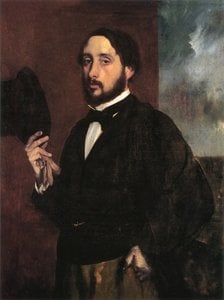
L'evocativa opera di Degas cattura l'ansia della Parigi del 1879 con realismo in bianco e nero. Scopri questo capolavoro e porta Degas a casa.

Scopri "Danzatori", un affascinante dipinto al pastel di Edgar Degas (1834-1917), maestro dell'impressionismo e del balletto. Un'opera che cattura il movimento e l'eleganza con colori vibranti e pose dinamiche.

Giclée / Stampe d'arte

Stampa giclée o su tela di qualità museale, con produzione rapida e diverse opzioni di finitura. ( Acquista il dipinto realizzato a mano Passa all'immagine digitale)

Corner sample of the P118B picture frame: polistirene stampato, 5 cm wide and 3 cm thick
P118B €10
Corner sample of the P118H picture frame: polistirene stampato, 5 cm wide and 3 cm thick
P118H €10
Corner sample of the P118W picture frame: polistirene stampato, 5 cm wide and 3 cm thick
P118W €10
Corner sample of the P438Z picture frame: polistirene stampato, 5.5 cm wide and 3.5 cm thick
P438Z €10
Corner sample of the P508JH picture frame: polistirene stampato, 7 cm wide and 3.5 cm thick
P508JH €12
Corner sample of the P508YH picture frame: polistirene stampato, 7 cm wide and 3.5 cm thick
P508YH €12
Corner sample of the P805H picture frame: polistirene stampato, 5 cm wide and 3.5 cm thick
P805H €10
Corner sample of the P805Z picture frame: polistirene stampato, 5 cm wide and 3.5 cm thick
P805Z €10
Corner sample of the P919BZ picture frame: polistirene stampato, 7 cm wide and 3.5 cm thick
P919BZ €10
Corner sample of the P919G picture frame: polistirene stampato, 7 cm wide and 3.5 cm thick
P919G €10
Corner sample of the P919XJ picture frame: polistirene stampato, 7 cm wide and 3.5 cm thick
P919XJ €10
Corner sample of the P959ZH picture frame: polistirene stampato, 5 cm wide and 3 cm thick
P959ZH €10
Corner sample of the P968JZ picture frame: polistirene stampato, 6 cm wide and 4 cm thick
P968JZ €12
Corner sample of the W106C picture frame: legno massello, 5 cm wide and 3 cm thick
W106C €8
Corner sample of the W218G picture frame: legno massello, 5 cm wide and 3 cm thick
W218G €10
Corner sample of the W218JH picture frame: legno massello, 5 cm wide and 3 cm thick
W218JH €8
Corner sample of the W218Y picture frame: legno massello, 5 cm wide and 3 cm thick
W218Y €10
Corner sample of the W307PJ picture frame: legno massello, 6 cm wide and 3 cm thick
W307PJ €10
Corner sample of the W316G picture frame: legno massello, 6 cm wide and 3 cm thick
W316G €10
Corner sample of the W316PJ picture frame: legno massello, 6 cm wide and 3 cm thick
W316PJ €8
Corner sample of the W316Y picture frame: legno massello, 6 cm wide and 3 cm thick
W316Y €10
Corner sample of the W398PJ picture frame: legno massello, 5 cm wide and 3 cm thick
W398PJ €8
Corner sample of the W4111J picture frame: legno massello, 6.5 cm wide and 3.5 cm thick
W4111J €10
Corner sample of the W500HY picture frame: legno massello, 7 cm wide and 5 cm thick
W500HY €15
Corner sample of the W500JH picture frame: legno massello, 7 cm wide and 5 cm thick
W500JH €15
Corner sample of the W692G picture frame: legno massello, 8 cm wide and 4 cm thick
W692G €12
Corner sample of the W849H picture frame: legno massello, 5 cm wide and 3 cm thick
W849H €8
Corner sample of the W940BG picture frame: legno massello, 7.5 cm wide and 4.5 cm thick
W940BG €15
Corner sample of the W953PJ picture frame: legno massello, 6 cm wide and 3.5 cm thick
W953PJ €8

Formato standard
su misura
CM
INCH

Scegli tra le nostre dimensioni predefinite, che rispettano le proporzioni originali dell'opera d'arte.

larghezza
altezza

Inserisci la larghezza e l'altezza desiderate, per adattarle alla tua cornice o alla tua parete. Una stampa può essere solo ritagliata, mai resa più grande dell'immagine originale; pertanto, un formato con una forma differente comporterà la perdita di una parte dell'opera. Ti invieremo un mockup digitale da approvare prima di procedere con la stampa. L'immagine mostrata in questa pagina non rappresenta il ritaglio reale — solo il mockup lo mostra.

Consegna in tutto il mondo () in 2 settimane invece delle normali 4/5 settimane. (28 Ottobre)

Spedizione espressa gratuita in tutto il mondo
Tela in lino di alta qualità
Assicurazione completa sulla spedizione
Garanzia di rimborso dei dazi doganali
Garanzia di fedeltà cromatica assoluta
Politica di reso entro 100 giorni (solo per difetti di fabbricazione)
Garanzia di rimborso al 100%
Offerta per acquisti multipli

Prezzo totale

€ 60

Alla Borsa

Giclée / Stampe d'arte

Dimensioni riproduzione

-

Prezzo finale calcolato

€ 60

Informazioni rapide

  • Tecnica: Litografia
  • Luogo: Musée d'Orsay, Parigi
  • Anno: 1879
  • Elementi o tecniche degni di nota: Caratteristiche esagerate; Prospettiva distaccata
  • Movimento: Impressionismo

Uno sguardo al cuore pulsante della finanza parigina

Nel cuore della Parigi di fine Ottocento, tra l'energia frenetica della Bourse, Edgar Degas catturò un momento che trascende la semplice transazione finanziaria. Alla Borsa, completata nel 1879, è molto più di una rappresentazione del commercio; è uno studio psicologico profondo sulla tensione e sul mutamento sociale. Mentre molti dei suoi contemporanei inseguivano il luccichio effimero della luce solare sull'acqua, Degas rivolse lo sguardo verso le ombre della vita urbana, scoprendo un tipo di movimento differente: i gesti nervosi e spontanei di uomini colti nel fervore della speculazione. La scena presenta un'atmosfera monocromatica in cui il peso delle decisioni è palpabile, invitando l'osservatore a entrare in una stanza densa di ansia non detta e della pesante gravità del potere economico.

La composizione è orchestrata magistralmente per evocare un senso di intensità concentrata. Un uomo solo, distinto dal suo imponente cilindro, ancora l'inquadratura, fungendo da punto focale in mezzo a un mare di figure in abito formale. Degas utilizza una disposizione deliberata dei corpi per guidare l'occhio attraverso la stanza, notando come le mani siano portate verso i volti in gesti di profonda contemplazione o improvvisa realizzazione. Questo uso sottile del simbolismo—la fronte corrugata, la mano premuta contro il mento, la sedia solitaria che suggerisce una pausa nella deliberazione—trasforma uno spazio pubblico affollato in un teatro intimo dell'emozione umana. Per il collezionista esperto, quest'opera offre una finestra sul battito vitale di una città in movimento, catturando l'attrito tra il pensiero individuale e il caos collettivo.

Maestria tecnica e spirito impressionista

Sebbene Degas abbia notoriamente rifiutato l'etichetta di "Impressionista", preferendo identificarsi come un Realista, Alla Borsa incarna lo spirito rivoluzionario del movimento attraverso il suo focus sull'immediatezza. La tecnica dell'artista si basa su pennellate rapide e sciolte che privilegiano l'atmosfera rispetto al dettaglio fotografico meticoloso. Privando l'opera di tonalità vibranti e abbracciando una tavolozza più austera e cupa, Degas amplifica l'impatto psicologico dell'opera. Questo approccio monocromatico spoglia la scena da ogni distrazione, costringendo lo spettatore a confrontarsi con le texture grezze degli abiti, le linee nette delle silhouette e l'aria pesante, quasi claustrofobica, della borsa.

Per i designer d'interni e gli appassionati d'arte, quest'opera funge da sofisticato punto di riferimento per qualsiasi spazio curato. La sua capacità di trasmettere serietà e professionalità la rende un elemento centrale ideale per biblioteche, uffici direzionali o aree living formali dove si desidera un senso di profondità storica. Il dipinto non si limita a decorare una parete; esso domina la stanza, offrendo un soggetto di conversazione che parla delle perduranti complessità dell'ambizione umana e della natura fuggevole della vita moderna. Possedere una riproduzione di alta qualità di questo capolavoro permette di portare l'eleganza inquietante e il rigore intellettuale della visione di Degas all'interno della casa contemporanea.

Domande e risposte

Che livello di saturazione e intensità presenta "Alla Borsa" di Hilaire-Germain-Edgar Degas?

"Alla Borsa" di Hilaire-Germain-Edgar Degas presenta una saturazione di Saturazione tenue e un'intensità di Monocromatico.

"Alla Borsa" è di pubblico dominio?

Per quanto riguarda il copyright, "Alla Borsa" è di pubblico dominio - il copyright è scaduto.

È possibile visualizzare un'anteprima di "Alla Borsa" di Hilaire-Germain-Edgar Degas prima dell'ordine?

Per visualizzare un'anteprima della riproduzione di "Alla Borsa" di Hilaire-Germain-Edgar Degas, apri la pagina Anteprima in ambiente dell'opera.


Biografia dell'artista

A Life Immersed in Movement: The World of Edgar Degas

Hilaire-Germain Edgar De Gas was born July 19, 1834, Paris, France—died September 27, 1917, Paris (aged 83), and is considered one of the most complex and innovative figures of his generation. He was the eldest son of Célestine Musson De Gas, a Creole from New Orleans, and he reinforced his formal academic art training by copying Old Master paintings both in Italy, where he spent three years (1856–1859), and at the Louvre. Degas early on developed a rigorous drawing style and a respect for line that he would maintain throughout his career. His first independent works were portraits and history paintings but in the early 1860s he began to paint scenes from modern life. He started with the world of horse racing and by the end of the decade, he was already experimenting with new techniques and exploring unconventional compositions—a departure from the traditional academic art favored by many of his contemporaries.

Beyond Impressionism: A Unique Artistic Vision

While contemporaries like Monet chased the fleeting effects of light outdoors, Degas largely worked within the confines of his studio, meticulously constructing scenes from observation and memory. His subject matter was decidedly modern—a departure from the historical or mythological themes favored by many academic painters. He found inspiration in the everyday lives of Parisians: laundresses, cabaret singers, milliners, and, most famously, dancers. It is this fascination with ballet that defines much of his oeuvre. Degas didn’t simply paint beautiful ballerinas; he captured the grueling reality of their profession—the endless rehearsals, the physical strain, the fleeting moments of grace amidst a world of hard work. His compositions are often unconventional, cropping figures in unexpected ways and utilizing asymmetrical arrangements that create a sense of dynamism and immediacy. He was a master of capturing movement, not through blurred lines or hazy effects, but through precise observation and careful rendering of form. Dancer, A Group of Dancers, and Women Combing Their Hair are prime examples of this dedication to portraying the human figure in motion and revealing the complexities of modern life.

Influences and Artistic Development

Degas’s artistic journey was shaped by a diverse range of influences. His early training emphasized classical principles, particularly the work of Jean-Auguste-Dominique Ingres, whose emphasis on draftsmanship and precise form left a lasting impression. However, Degas also admired the Realists, such as Gustave Courbet, who challenged academic conventions and championed the depiction of contemporary life. A pivotal moment in his development came through his association with Camille Pissarro, a leading Impressionist who introduced him to other artists and encouraged him to experiment with new techniques. He was captivated by Japanese prints—Ukiyo-e—which influenced his use of asymmetrical compositions, flattened perspectives, and bold patterns. He also embraced photography, recognizing its potential as a tool for studying movement and capturing fleeting moments in time. This willingness to incorporate diverse influences into his work is what sets Degas apart and contributes to the unique character of his art.

Major Achievements & Legacy

Degas’s prolific output spanned painting, sculpture, printmaking, and drawing—demonstrating an unparalleled mastery across multiple mediums. He achieved renown for his portraits of prominent figures—including artists, writers, and intellectuals—capturing their psychological depth with remarkable sensitivity. His ballet paintings revolutionized the genre, portraying dancers not as idealized beauties but as human beings grappling with physical exertion and emotional vulnerability. Furthermore, Degas’s exploration of horse racing and jockeying offered a fresh perspective on sport and social life. He was recognized as one of the most influential artists of his time, shaping the trajectory of modern art and inspiring generations of subsequent painters. His legacy continues to resonate today, celebrated for its innovation, honesty, and profound understanding of human experience. Museums worldwide—including the Musée d'Orsay and the Musée de l’Orangerie in Paris—house significant collections of his paintings, pastels, sculptures, and prints, ensuring that his artistic vision will endure for centuries to come.

Hilaire-Germain-Edgar Degas

Hilaire-Germain-Edgar Degas

1834 - 1917 , Francia

Dettagli rapidi

  • Artistic Movement Or Style: Impressionismo, Realismo
  • Artists Or Movements Influenced By This Artist:
    • Pablo Picasso
    • Henri Matisse
  • Artists Who Influenced This Artist:
    • Jean-Auguste-Dominique Ingres
    • Camillo Pissarro
  • Date Of Birth: 1834
  • Full Name: Hilaire-Germain Edgar De Gas
  • Nationality: Francese
  • Notable Artworks:
    • Danzatori
    • Due ballerine con gonne verdi
  • Place Of Birth: Paris, France
Esplora le opere d'arte organizzate per temi, stili e caratteristiche.