


L'opera d'arte visualizzata in questa pagina è protetta dalle leggi sul diritto d'autore, il che significa che non possiamo legalmente creare o vendere una riproduzione identica. Tale protezione è garantita da accordi internazionali quali la Convenzione di Berna e dalle leggi nazionali, incluse quelle stabilite da Legge sul copyright degli Stati Uniti - Titolo 17. Tutti i diritti riservati. Le immagini presenti su questo sito sono protette da copyright e non possono essere riprodotte o utilizzate senza l'autorizzazione scritta di WahooArt.com o dei rispettivi proprietari del copyright.
Questo metodo è pienamente conforme alle normative sul diritto d'autore poiché non prevede la copia o la duplicazione dell'opera protetta. Si tratta invece di una rielaborazione creativa: un nuovo dipinto che trae ispirazione dall'originale, senza tuttavia esserne identico.
Stampa giclée o su tela di qualità museale, con produzione rapida e diverse opzioni di finitura. ( Acquista il dipinto realizzato a mano Passa all'immagine digitale)





























Scegli tra le nostre dimensioni predefinite, che rispettano le proporzioni originali dell'opera d'arte.

Inserisci la larghezza e l'altezza desiderate, per adattarle alla tua cornice o alla tua parete. Una stampa può essere solo ritagliata, mai resa più grande dell'immagine originale; pertanto, un formato con una forma differente comporterà la perdita di una parte dell'opera. Ti invieremo un mockup digitale da approvare prima di procedere con la stampa. L'immagine mostrata in questa pagina non rappresenta il ritaglio reale — solo il mockup lo mostra.
Consegna in tutto il mondo () in 2 settimane invece delle normali 4/5 settimane. (14 Novembre)
Diana
Dimensioni riproduzione
David Bomberg’s Diana, painted in 1943, immediately draws the viewer into a moment of profound introspection. The central figure, clad in a striking red jacket, commands attention against a warm, almost incandescent orange background. Her posture—hand delicately placed near her face, suggesting contemplation or perhaps a momentary veil over deep thought—lends an air of enigmatic grace to the composition. Bomberg, a key member of the vibrant 'Whitechapel Boys,' captures not just a likeness, but a palpable state of being. The interplay between the vivid red garment and the surrounding autumnal glow creates an immediate visual tension, anchoring the viewer's gaze to the woman’s downward, thoughtful expression.
To appreciate Diana is to understand the trajectory of early 20th-century British modernism. While Bomberg’s training exposed him to the structured lessons of Cézanne and the dynamism of avant-garde movements, this piece retains a raw, emotional immediacy characteristic of his later work. His technique here suggests a masterful handling of paint, where form is suggested through bold planes of color rather than minute detail. The presence of other figures—one subtly placed in the upper left and another near the bottom right—suggests that the central subject exists within a larger social or psychological tableau. These secondary elements do not distract; rather, they frame the primary emotion, giving the scene depth beyond a simple portrait.
The title, Diana, evokes classical associations with the huntress and the goddess of the moon—figures often linked to mystery, independence, and feminine power. Yet, Bomberg grounds this mythological echo in a very human moment. The red jacket can be interpreted as passion or vitality against the backdrop of the fading orange light, perhaps symbolizing memory or the passage of time itself. The woman’s gesture is universally understood: it speaks of secrets held close, of beauty observed from within. For the collector or designer, this painting offers more than mere decoration; it offers a conversation piece—a meditation on introspection that resonates deeply in contemporary life.
Reproducing the power of Diana allows one to integrate a piece steeped in artistic history and emotional weight into any interior space. The rich palette, dominated by the fiery contrast of red and orange, makes it an exceptional focal point for rooms seeking depth and character. Whether displayed above a console table or as a centerpiece in a gallery wall, this reproduction captures Bomberg’s unique ability to infuse everyday subjects with monumental feeling. It is a piece that demands a pause, inviting quiet contemplation amidst the bustle of modern living.
All'interno del movimento Modernism, "Diana" si distingue per il suo tono Reflective.
"Diana" dispone di un'anteprima in realtà aumentata: la pagina Anteprima in AR dell'opera ti permette di visualizzarla nel tuo spazio tramite un dispositivo compatibile.
L'originale "Diana" di David Bomberg è un'opera in Oil On Canvas di dimensioni 41 x 36 cm. La tecnica e le dimensioni si riferiscono all'opera originale.

Nato da genitori immigrati polacco-ebrei, Abraham e Rebecca Bomberg, a Birmingham. La famiglia si trasferì a Whitechapel, Londra, nel 1895.
Inizialmente studiò alla City and Guilds Technical Art School prima di formarsi come litografo a Birmingham.
Studiò sotto Walter Sickert alla Westminster School of Art (1908-1910), dove fu influenzato dall'attenzione di Sickert per la forma e la vita urbana.
Grande esposizione a Paul Cézanne attraverso la mostra del 1910 di Roger Fry "Manet e i Post-Impressionisti".
Frequentò la Slade School of Art (1911), vincendo il premio Tonks per il suo disegno dell'altro studente Isaac Rosenberg.
Le esperienze come soldato semplice durante la Prima Guerra Mondiale ebbero un profondo impatto sulla sua visione artistica, portandolo ad allontanarsi dall'astrazione.
Gli anni '20 videro Bomberg adottare uno stile più figurativo, concentrandosi su ritratti e paesaggi tratti direttamente dalla natura.
Sviluppò una tecnica sempre più espressionista, caratterizzata da impasto testurizzato e intensità emotiva.
Estesi viaggi in Medio Oriente (in particolare Palestina) e in Europa influenzarono significativamente la sua opera successiva. Le sue rappresentazioni di Gerusalemme sono particolarmente notevoli.

1890 - 1957 , Regno Unito

Decode the profound symbolism of hands in masterworks from Van Gogh to Hindu mudras. Explore the silent language of art with our expert guide.

Discover the profound beauty of Contemporary Impressionism. Explore how masters capture light and emotion through textured brushwork and vibrant color, perfect for discerning collectors seeking timeless elegance and museum-quality artistry for luxury interiors.
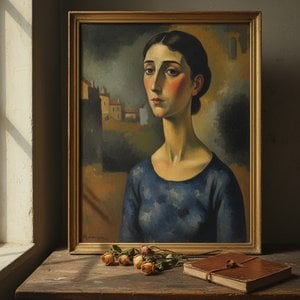
Delve into the haunting beauty of Amedeo Modigliani's portraits. Explore the intersection of Expressionism and Modernism through an expert analysis of his iconic elongated forms, melancholic gazes, and profound influence on art history.

Explore the profound symbolism of red hair through iconic masterpieces. Discover the fiery allure of art history with our expert guide.
 Anteprima in scala reale
 Invia
Invia Condividi
 Dettagli opera
 Guida
Guida

 Scarica
 Simili
 Radiografia
 Slideshow
 Domande e risposte
 Statistiche


 Espandi i dettagli









 L'opzione vetro è disponibile solo per dimensioni inferiori a 110 cm


