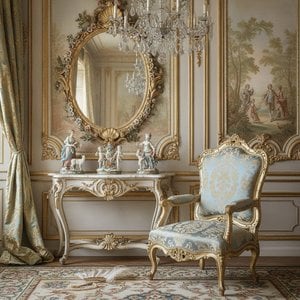
L'Architetto dell'Eleganza: La Vita e l'Eredità di David Adler
Nel grande arazzo della storia architettonica americana, pochi nomi evocano il fascino sofisticato dell'inizio del XX secolo come David Adler. Maestro nell'unire la grandezza classica con una sensibilità unicamente americana, Adler non si limitò a progettare edifici; egli curò ambienti che respiravano un senso di atemporalità e grazia. Operando principalmente a Chicago, la sua opera divenne una pietra miliare dell'identità estetica della città, colmando il divario tra la rusticità della Prairie School e l'eleganza raffinata degli stili revivalisti europei. La sua carriera, che si estese per oltre tre decenni e comprendeva più di duecento strutture, resta la testimonianza di un uomo che comprese come la vera architettura sia un dialogo tra la permanenza della pietra e l'effimera bellezza della vita umana.
Nato il 3 gennaio 1882 a Milwaukee, nel Wisconsin, le origini di Adler affondavano le radici in una famiglia ebraica tedesca che valorizzava sia l'industria che la cultura. Figlio di Isaac David Adler, un prospero produttore all'ingrosso di abbigliamento maschile, David crebbe in un ambiente in cui l'artigianato e lo spirito imprenditoriale erano fondamentali. Questa base familiare, unita all'influenza creativa di sua sorella, la rinomata interior designer Frances Adler Elkins, favorì un profondo apprezzamento per le arti decorative. Sebbene la sua giovinezza sia stata segnata dalla tragedia personale della perdita del fratello, Murray, a causa della difterite, questi anni formativi gli trasmisero una profonda sensibilità verso la condizione umana, un tratto che si sarebbe poi manifestato nella sua capacità di progettare spazi che apparivano al contempo monumentali e intimamente connessi ai loro abitanti.
Un Viaggio Attraverso la Maestria Classica
Il linguaggio architettonico di Adler fu forgiato nei prestigiosi studi d'Europa, un periodo di studi che avrebbe per sempre affinato il suo occhio per la proporzione e il dettaglio storico. Dopo aver frequentato la Princeton University, dove esplorò per la prima volta i regni dell'arte, della storia dell'architettura e del greco, Adler intraprese un vasto viaggio attraverso il continente. Il suo tempo alla Technische Universität München in Germania e alla leggendaria École des Beaux-Arts di Parigi gli fornì una rigorosa base tecnica e una conoscenza intima delle tradizioni classiche del Vecchio Mondo. Non era solo uno studente dei libri, ma un viandante dei paesaggi, percorrendo spesso le campagne francese, italiana e inglese in bicicletta per studiare le sfumature di case padronali e ville. Questa educazione immersiva gli permise di padroneggiare l'arte dell'adattamento sensibile, imparando a tradurre i motivi antichi nel contesto moderno del paesaggio americano.
Al suo ritorno negli Stati Uniti nel 1911, Adler iniziò a intrecciare queste influenze internazionali nella trama della nascente élite di Chicago. Il suo lavoro fu caratterizzato da una straordinaria capacità di armonizzare stili classici e vernacolari, creando eleganti case cittadine, appartamenti e opulente tenute di campagna che risultavano tanto prestigiosi quanto organici. Possedeva il raro dono di assicurarsi che le sue strutture non si imponessero sul terreno, ma piuttosto emergessero da esso, un principio che lo allineava allo spirito della Prairie School pur mantenendo un distintivo tocco cosmopolita.
L'Intersezione tra Struttura e Spirito
Al di là delle planimetrie e della muratura, il vero genio di Adler risiedeva nel suo approccio olistico al design. Considerava l'architettura come un'estensione delle belle arti, una convinzione che lo portò a servire a lungo come membro del consiglio dell' Art Institute of Chicago. Questo impegno verso l'eccellenza artistica significava che la sua influenza si estendeva spesso fino al cuore stesso della casa. I suoi progetti consideravano frequentemente l'interazione della luce, la trama dei materiali e il flusso dell'interazione sociale. Si può osservare questa filosofia nel modo in cui affrontava anche i dettagli più piccoli, come la creazione di complementi d'arredo quali la sua celebre Tavola da Sala da Pranzo. Realizzate in noce finemente intagliato, tali opere fungevano da capolavori scultorei che colmavano il divario tra architettura strutturale e arte decorativa, incarnando un'estetica rinascimentale del XVI secolo in un contesto moderno.
L'importanza storica di David Adler non può essere sopravvalutata. Egli contribuì a definire il paesaggio residenziale del Midwest americano, lasciando un'eredità di strutture che continuano a ispirare stupore e ammirazione. La sua tenuta a Libertyville, nell'Illinois, che oggi funge da Adler Arts Center, si erge come un monumento vivente al lavoro della sua vita: un luogo dove l'arte e la musica fioriscono tra le mura che un tempo chiamò casa. Attraverso la sua meticolosa attenzione all'equilibrio, alla proporzione e alla riverenza storica, Adler si è assicurato che i suoi contributi architettonici rimanessero non solo come reliquie di un'epoca passata, ma come simboli duraturi di eleganza e sofisticatezza culturale.


 Invia
Invia Condividi
 Dettagli opera
 Guida
Guida

 Scarica
 Simili
 Slideshow
 Domande e risposte
 Statistiche


 Espandi i dettagli
 Passa alle stampe





































 L'opzione vetro è disponibile solo per dimensioni inferiori a 110 cm