CONSULENZA D'ARTE GRATUITA

x
Acquista stampa Acquista stampaOrdina la riproduzione Ordina la riproduzione InviaInvia
DetailsDetails Aggiungi ai preferiti Aggiungi ai preferiti ScaricaScarica SimiliSimili X-RayX-Ray SlideshowSlideshow

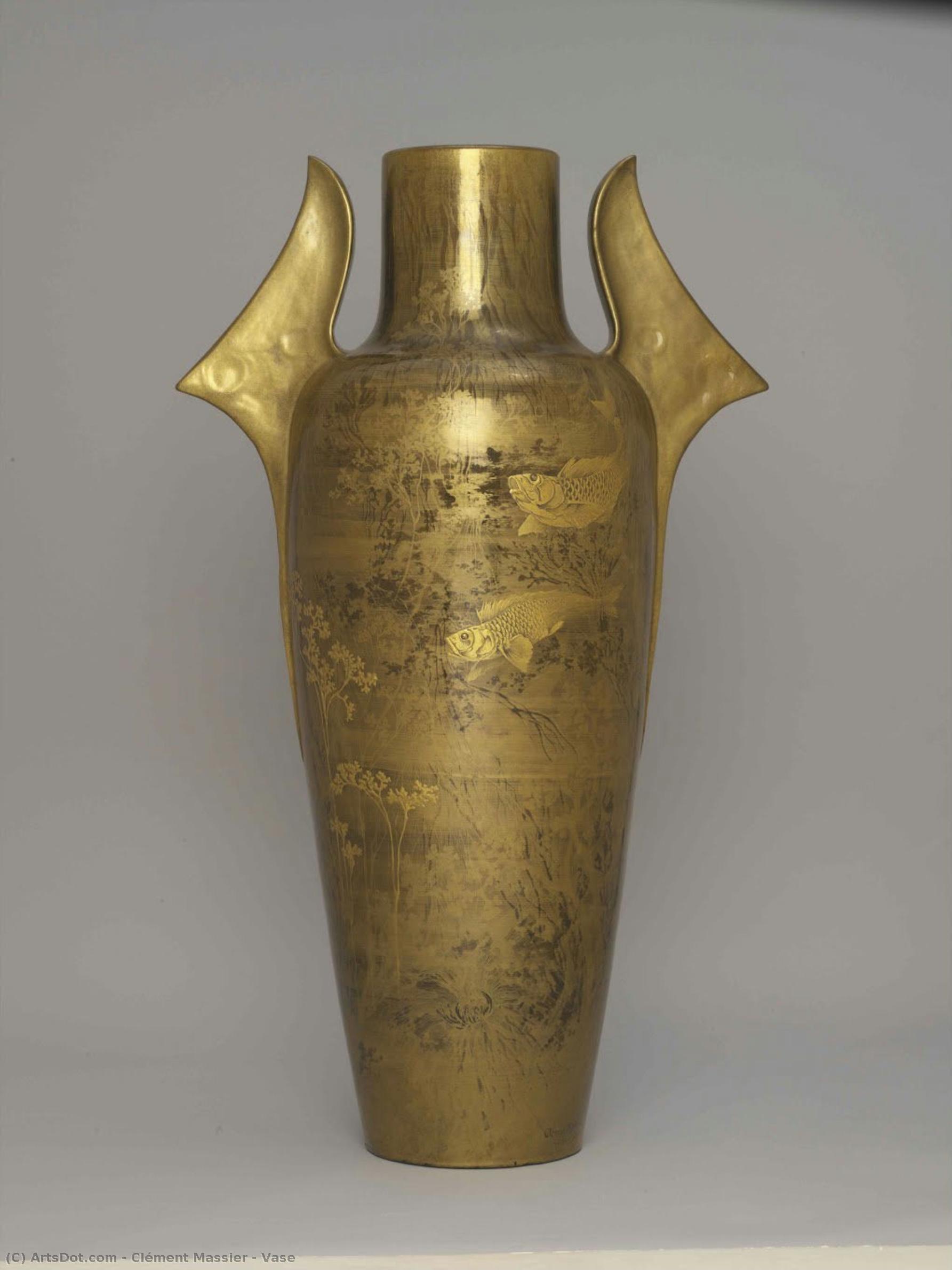
Vase

  • Dimensioni51.0 x 81.0 cm

Discover Clément Massier, a French Art Nouveau ceramicist known for luster glazes. Explore his decorative artworks & innovative techniques.

Acquista un'immagine digitale ad alta risoluzione e ottimizzata, di qualità nettamente superiore all'anteprima online.

Ogni file è meticolosamente preparato dai nostri specialisti interni attraverso l'uso di strumenti avanzati e un sapiente ritocco manuale. Garantiamo che ogni immagine presenti una chiarezza eccezionale, una precisione cromatica impeccabile e dettagli raffinati.

Il file finale viene consegnato via e-mail entro 72 ore, ottimizzato per un uso immediato in contesti professionali, editoriali e di stampa. Si tratta della stessa qualità affidata dai più prestigiosi studi di design, editori e gallerie d'arte.

Immagine Digitale

Scarica un file ad alta risoluzione per uso personale, per la stampa e per progetti creativi.

Prezzo totale

$9.99

Incluso in ogni ordine di immagini digitali

Consegna digitale professionale e garantita

Quando scegli WahooArt.com, non riceverai solo un'immagine: riceverai un'opera d'arte digitale professionalmente ottimizzata, realizzata con la massima precisione e accompagnata da una garanzia di soddisfazione. Ecco tutto ciò che include il tuo ordine, automaticamente:

shipping_icon
Consegna rapida via email

Riceverai il file dell'immagine digitale ad alta risoluzione via email entro 72 ore dall'ordine, pronto per un uso immediato.

canvas_icon
File digitale ottimizzato dall'IA

La tua opera d'arte viene ottimizzata professionalmente attraverso l'uso di strumenti avanzati di intelligenza artificiale e una revisione manuale, garantendo il massimo livello di dettaglio, nitidezza e accuratezza cromatica.

insurance_icon
Riconsegna gratuita a vita

Hai eliminato o perso accidentalmente il tuo file? Non preoccuparti: te lo invieremo di nuovo in qualsiasi momento, gratuitamente.

tax_icon
Nessun costo di importazione - Sempre

Goditi la tua opera d'arte istantaneamente senza costi doganali, dazi o spese di spedizione: i download digitali sono sempre esenti da tasse.

color_icon
Garanzia di fedeltà cromatica

Garantiamo che la tua immagine digitale rifletta i colori originali con la massima fedeltà, grazie all'uso di strumenti professionali e a una gestione accurata del colore.

return_icon
Garanzia di soddisfazione di 60 giorni

Se non sei soddisfatto della tua immagine digitale, la revisioneremo o ti rimborseremo il 100% entro 60 giorni, senza domande.

guarantee_icon
Garanzia di rimborso al 100%

Non sei soddisfatto? Ricevi un rimborso completo entro 60 giorni dalla ricezione del tuo file digitale, senza dover fornire spiegazioni.

discount_icon
Sconti per ordini multipli

Acquista 3 immagini, risparmia il 10% - Acquista 5, risparmia il 15% - Acquista 10+, risparmia il 20%. Ideale per progetti creativi, gallerie e agenzie.

Descrizione del Collezionabile

Clément Massier established an important ceramic atelier the south of France. The forms of his works were often inspired by those of Oriental ceramics and his use of iridescent glazes was influenced by Hispano-Moresque ceramics. The form of the vase was inspired by Chinese ceramics. However the visual effect of its decorative iridescent glaze, depicting fish and aquatic plants, was inspired by the appearance of Japanese sprinkled or makie lacquered artifacts that were fashionable with collectors of this period. France was an important centre for the development of Art Nouveau. There the art of the Symbolist movement, with its appeal to the emotions, influenced the subject matter of many French Art Nouveau artifacts. In Paris, important practitioners included the architect Hector Guimard (1867-1942), critic and dealer Julius Meier-Graefe (1867-1935), (whose shop La Maison Moderne was designed by Henry van de Velde), and the art dealer Siegfried Bing (1838-1905). Since the late 1870s, Bing, one of the first dealers to present ancient Chinese artifacts in the West, had helped sensitized Europeans to the aesthetics of Japanese art. In 1895, Bing opened his shop called La Maison de l’Art Nouveau, from which he sold works by major designers including Eugène Gaillard, Emile Gallé, René Lalique, Louis Comfort Tiffany, and Edward Colonna. Nancy, France, was another centre of production, where glass-artist Emile Gallé (1846-1904) and furnituremaker Louis Majorelle (1859-1926), ran large, successful, ateliers.

Biografia dell'artista

The Pioneering Luster of Clément Massier

Clément Massier, born in Vallauris, France, in 1844 and passing away in Golfe-Juan in 1917, stands as a pivotal figure in the transition from traditional French pottery to the innovative spirit of Art Nouveau. He wasn’t merely a potter; he was an alchemist of clay, transforming humble earth into objects of shimmering beauty that captured the burgeoning aesthetic sensibilities of his time. Coming from a long lineage of potters—his family had been working with ceramics in Vallauris for generations—Massier initially followed in their footsteps, producing utilitarian wares. However, he possessed a restless artistic drive that pushed him beyond functionality and towards pure creative expression. This ambition led him to establish his own factory in Golfe-Juan in 1883, a move that would prove instrumental in shaping the future of French ceramics.

A Family Legacy & The Rise of Artistic Innovation

The Massier family’s history was deeply intertwined with the clay of Vallauris. Jacques Massier, Clément's father, had established a respected pottery workshop, but it was Clément who truly revolutionized their approach. He recognized the potential for ceramics to be more than just vessels; they could be canvases for artistic exploration, imbued with color, texture, and symbolic meaning. Early influences included Italian master ceramist Gaetano Gandolfi, hired by Jacques Massier, who introduced techniques like glazed earthenware that would become foundational to the family’s success. However, Clément quickly surpassed these initial methods, driven by a desire to create something entirely new. He wasn't content with simply replicating existing styles; he sought to forge his own path, experimenting relentlessly with glazes and forms.

The Allure of Luster & The Paris Exposition Universelle

Massier’s most significant contribution—and the element that cemented his reputation—was his mastery of luster glazes. These weren't simply surface coatings; they were iridescent, metallic sheens that seemed to capture and reflect light from within the ceramic itself. He achieved this effect through a complex process involving multiple firings and the careful application of metallic oxides, creating surfaces that shimmered with an ethereal quality. The breakthrough came in 1887 when he hired Lucien Lévy-Dhurmer as his artistic director. This collaboration proved transformative. In 1900, Massier’s iridescent pottery was awarded a gold medal at the Paris Exposition Universelle, catapulting him to international fame. The exhibition showcased not only the technical brilliance of his glazes but also the Art Nouveau designs that adorned his pieces—flowing floral motifs, sinuous curves, and organic forms that embodied the movement's embrace of nature.

Beyond Decoration: Symbolism & Artistic Collaboration

While celebrated for their decorative appeal, Massier’s ceramics were often imbued with subtle symbolism. The naturalistic designs weren’t merely aesthetic choices; they reflected a broader fascination with the mysteries of life and the beauty of the natural world. The factory became a hub for artistic collaboration, attracting talented painters and sculptors who contributed to the design process. This collaborative spirit ensured that Massier's work wasn't solely defined by technical innovation but also by artistic vision. He produced a wide range of objects—vases, bowls, plaques, and even architectural elements—all characterized by his signature luster glazes and Art Nouveau aesthetic. His pieces quickly became sought after by the elite, adorning the homes of collectors in France, England, and beyond.

A Lasting Legacy & The Enduring Appeal of Art Nouveau Ceramics

Clément Massier’s impact on French ceramics is undeniable. He elevated pottery from a craft to an art form, paving the way for future generations of ceramic artists. His factory in Golfe-Juan became a model for other workshops, and his luster glazes continue to inspire contemporary ceramists today. He was also a dedicated teacher, mentoring numerous artists and sharing his knowledge and techniques. Though he passed away in 1917, his legacy lives on through the exquisite pieces that bear his name—objects of shimmering beauty that capture the spirit of Art Nouveau and the enduring allure of handcrafted artistry. His work represents not just a technical achievement but a philosophical shift, embracing decoration as a form of artistic expression and celebrating the transformative power of clay.

Clément Massier

Clément Massier

1844 - 1917