L'opera d'arte visualizzata in questa pagina è protetta dalle leggi sul diritto d'autore, il che significa che non possiamo legalmente creare o vendere una riproduzione identica. Tale protezione è garantita da accordi internazionali quali la Convenzione di Berna e dalle leggi nazionali, incluse quelle stabilite da Legge sul copyright degli Stati Uniti - Titolo 17. Tutti i diritti riservati. Le immagini presenti su questo sito sono protette da copyright e non possono essere riprodotte o utilizzate senza l'autorizzazione scritta di WahooArt.com o dei rispettivi proprietari del copyright.
Come alternativa rispettosa e legale, offriamo opere d'arte personalizzate e dipinte a mano, ispirate all'originale. I nostri artisti esperti e professionisti studiano con cura lo stile, l'atmosfera e l'essenza artistica dell'opera originale per creare un pezzo nuovo e unico che evochi la stessa emozione, pur rimanendo una creazione originale a pieno titolo.
Questo metodo è pienamente conforme alle normative sul diritto d'autore poiché non prevede la copia o la duplicazione dell'opera protetta. Si tratta invece di una rielaborazione creativa: un nuovo dipinto che trae ispirazione dall'originale, senza tuttavia esserne identico.
Olio su tela dipinto a mano nelle tue dimensioni e con la tua cornice, realizzato su ordinazione dai nostri artisti. ( Passa alle stampe
Passa all'immagine digitale)
Scegli tra le nostre dimensioni predefinite, che rispettano le proporzioni originali dell'opera d'arte.
È possibile inserire dimensioni personalizzate per adattare l'opera a una cornice o a uno spazio specifico. Se la dimensione selezionata non corrisponde alle proporzioni dell'immagine originale, provvederemo a ritagliare l'opera o a estendere il dipinto con elementi aggiuntivi dipinti a mano. Un mockup digitale ti sarà inviato per approvazione prima dell'inizio della produzione.
Si prega di notare che l'anteprima a schermo non riflette il ritaglio o l'estensione effettivi. Solo il mockup mostrerà accuratamente la composizione finale.
Sebbene siano disponibili dimensioni personalizzate, consigliamo di selezionare una dimensione dall'elenco predefinito per preservare le proporzioni originali.
Consegna in tutto il mondo () in 3/4 settimane anziché nelle normali 5 settimane. (9 Ottobre). Nessun compromesso sulla qualità.

The devil
Dimensioni della riproduzione
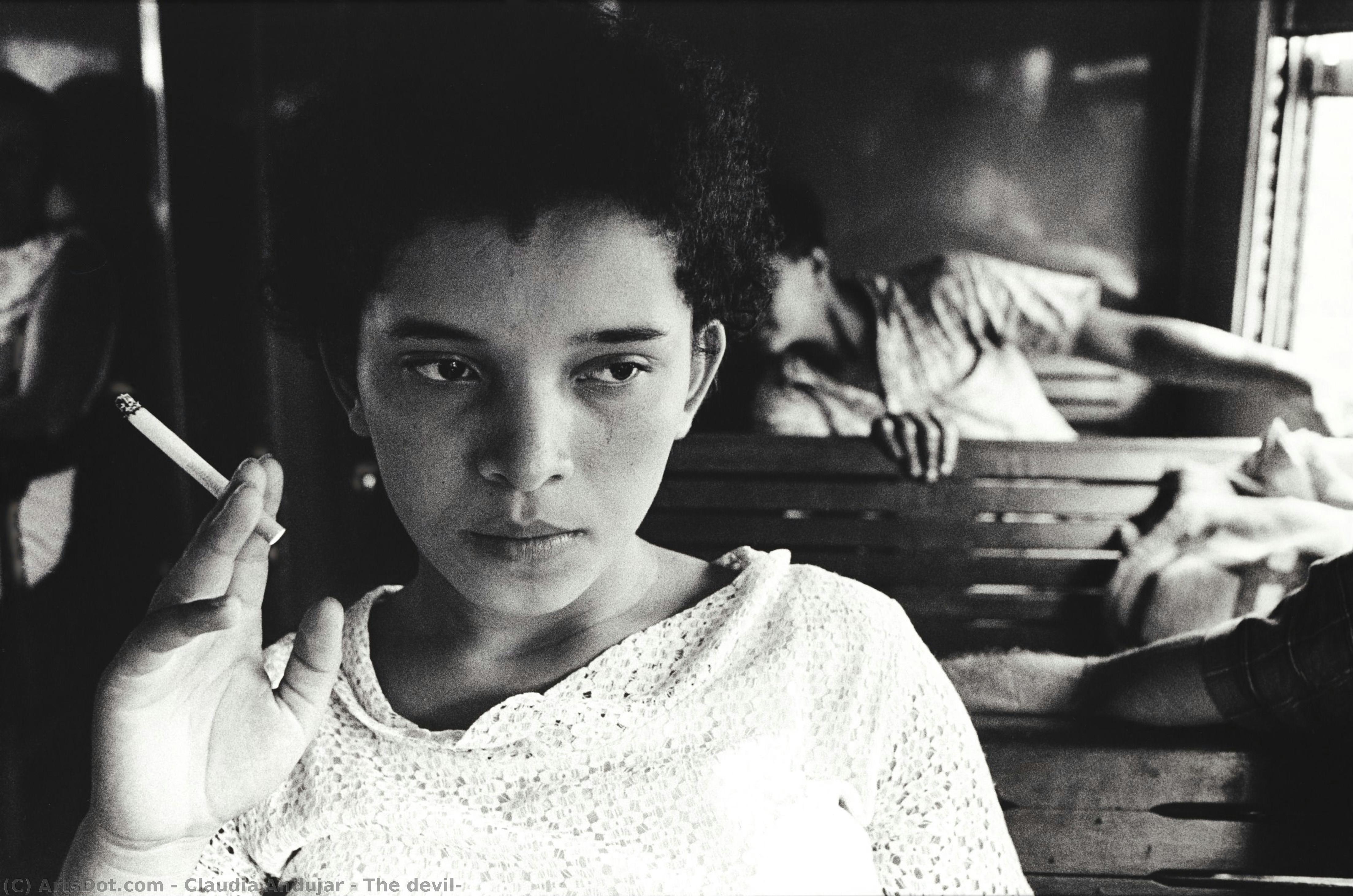
In the quiet, grainy depths of Claudia Andujar’s 1969 photograph, "The Devil’s Train," we encounter more than a mere historical record; we witness a profound meditation on the human condition. Captured during a period of significant social upheaval in Brazil, this striking black and white image serves as a visual poem reflecting the anxieties, aspirations, and bittersweet realities of displacement. The photograph documents a group of weary migrants traveling from the bustling metropolis of São Paulo toward the backlands of Bahia and Minas Gerais. These are individuals whose luggage was filled with hope, yet who often returned with nothing but the heavy weight of failed endeavors. Through Andujar’s lens, the train car becomes a microcosm of a nation in flux, a vessel carrying souls caught between the dream of a better life and the harsh reality of economic hardship.
The composition is masterfully balanced, utilizing a tight framing that strips away unnecessary distractions to focus our gaze intensely upon a young girl. Positioned slightly off-center, her face becomes the emotional anchor of the piece. As she sits amidst the traveling crowd, a cigarette held in her hand introduces a sharp diagonal line that cuts through the horizontal planes of the train car, injecting a sense of restlessness and movement into an otherwise static moment. This deliberate use of geometry creates a visual dynamism that draws the viewer into her gaze—a look that is simultaneously heavy with resignation and luminous with an undeniable, quiet strength.
Andujar’s technique is rooted in the traditions of humanist photography, a style that prioritizes emotional truthfulness over stylistic embellishment. Working with film—likely medium format—she achieved a remarkable tonal range that breathes life into the monochromatic palette. The image transitions seamlessly from deep, velvety blacks to brilliant, piercing whites, creating a sculptural quality in the subjects' features. This meticulous development process ensures that every texture is palpable: the rough, weathered fabric of the girl’s shirt, the smooth, ephemeral smoke of the cigarette, and the worn, wooden surfaces of the train car itself.
The lighting, appearing as natural and unadorned as the subject matter, casts soft shadows that emphasize the contours of the face, lending a sense of depth to an otherwise relatively flat perspective. This shallow depth of field keeps our attention locked onto the girl, while the receding figures in the background provide the necessary context of a crowded, shared struggle. There is a deliberate aesthetic restraint here; Andujar does not seek to romanticize poverty, but rather to dignify it through a lens of profound empathy and technical precision.
For the discerning collector or interior designer, "The Devil’s Train" offers a sophisticated layer of narrative depth that transcends simple decoration. The cigarette, often interpreted as a symbol of rebellion or a coping mechanism against stress, acts as a powerful conduit for exploring themes of vulnerability and defiance. The photograph does not merely depict a scene; it evokes a feeling of resilience. It is a piece that commands attention in any space, inviting contemplation on the universal human yearning for belonging and the enduring spirit required to navigate life's migrations.
Integrating a high-quality reproduction of this masterpiece into a curated collection or a refined interior provides more than just visual interest; it introduces a conversation piece of immense historical and emotional weight. The stark, monochromatic elegance of Andujar’s work complements both minimalist and classical environments, offering a timeless aesthetic that speaks to the beauty found in the most difficult of human journeys. To possess this image is to hold a fragment of history—a testament to the dignity of the marginalized and the transformative power of the photographic medium.
Claudia Andujar ha realizzato "The devil" all'età di 38. L'artista è nato nel 1931 e l'opera è datata 1969.
Il diaporama di "The devil" può essere visualizzato nella pagina Slideshow dell'opera.
"The devil" risale al 1969. La data colloca l'opera all'interno della carriera di Claudia Andujar e della sua epoca.
L'artista che ha creato "The devil" è Claudia Andujar. L'opera è catalogata sotto il nome di Claudia Andujar.
"The devil" è associata a una sensazione Melancholic. Il tono emotivo descrive l'impressione che l'opera trasmette.
La pagina Statistiche di "The devil" di Claudia Andujar presenta le statistiche delle visite pubbliche: le visite mensili di quest'opera, un confronto con le opere dell'artista più visualizzate e la provenienza dei visitatori.
"The devil" di Claudia Andujar si inserisce nel movimento Humanist Photography, all'interno dell'epoca Età Moderna del suo autore.
1931 - , Svizzera