CONSULENZA D'ARTE GRATUITA

x
Ordina la riproduzione Ordina la riproduzioneAcquista download Acquista download InviaInvia
Dettagli operaDettagli opera Aggiungi ai preferiti Aggiungi ai preferiti ScaricaScarica SimiliSimili RadiografiaRadiografia SlideshowSlideshow

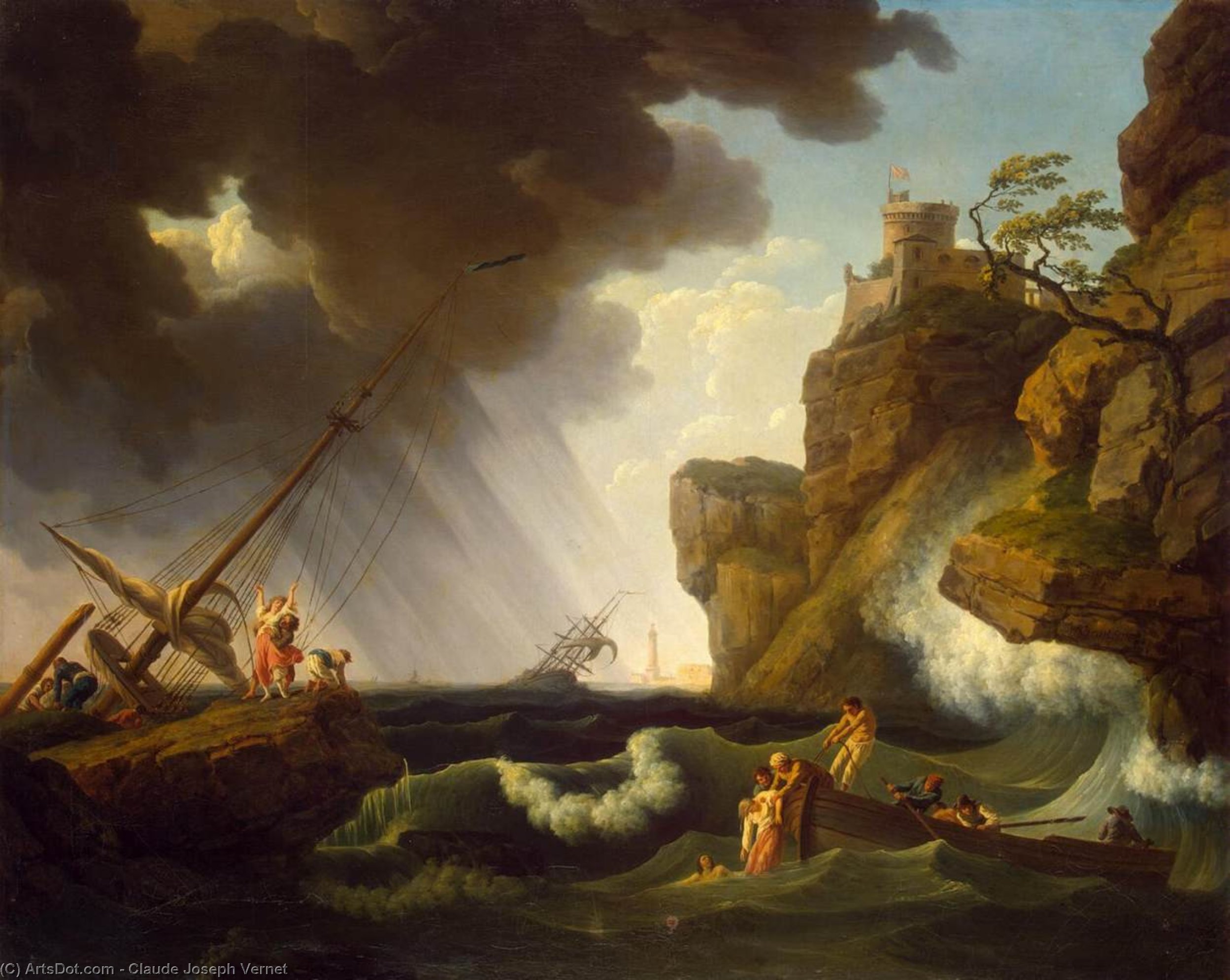
Shipwreck

Experience Vernet’s Romantic masterpiece—a tempestuous seascape brimming with dramatic chiaroscuro and expressive brushstrokes! This monumental 1763 oil painting captures the sublime terror of a shipwreck, reflecting Enlightenment ideals and inviting you to explore its timeless beauty.

Scopri Claude-Joseph Vernet (1714-1789), pittore francese celebre per paesaggi atmosferici, scene portuali drammatiche e maestria equestre. Esplora la sua eredità su WahooArt!

Giclée / Stampa d'arte

Stampa giclée o su tela di qualità museale, con produzione rapida e diverse opzioni di finitura.

P118B $10
P118H $10
P118W $10
P438Z $10
P508JH $12
P508YH $12
P805H $10
P805Z $10
P919BZ $10
P919G $10
P919XJ $10
P959ZH $10
P968JZ $12
W106C $8
W218G $10
W218JH $8
W218Y $10
W307PJ $10
W316G $10
W316PJ $8
W316Y $10
W398PJ $8
W4111J $10
W500HY $15
W500JH $15
W692G $12
W849H $8
W940BG $15
W953PJ $8

Standard
custom
CM
INCH

Scegli tra le nostre dimensioni predefinite, che rispettano le proporzioni originali dell'opera d'arte.

larghezza
altezza

È possibile inserire dimensioni personalizzate per adattare l'opera a una cornice o a uno spazio specifico. Se la dimensione selezionata non corrisponde alle proporzioni dell'immagine originale, procederemo al ritaglio dell'opera o all'estensione dell'immagine con un bordo specchiato o a tinta unita. Un mockup digitale ti verrà inviato per approvazione prima dell'inizio della produzione.
Si prega di notare che l'anteprima a schermo non riflette il ritaglio o l'estensione effettivi. Solo il mockup mostrerà accuratamente la composizione finale.
Sebbene siano disponibili dimensioni personalizzate, si raccomanda di selezionare una dimensione dall'elenco predefinito per preservare le proporzioni originali.

Consegna in tutto il mondo () in 2 settimane invece delle normali 4/5 settimane. (6 Luglio)

why_choose_icon
Spedizione espressa gratuita in tutto il mondo
why_choose_icon
Tela in lino di alta qualità
why_choose_icon
Assicurazione completa sulla spedizione
why_choose_icon
Garanzia di rimborso dei dazi doganali
why_choose_icon
Garanzia di fedeltà cromatica
why_choose_icon
Politica di reso entro 60 giorni (solo per difetti)
why_choose_icon
Garanzia di rimborso al 100%
why_choose_icon
Sconto per acquisti multipli

Prezzo totale

-

reproduction

Shipwreck

Giclée / Stampa d'arte

Dimensioni riproduzione

-

Prezzo totale finale

-

Informazioni rapide

  • Location: Hermitage Museum, St. Petersburg
  • Notable elements or techniques: Dramatic seascape; Sublime effect
  • Artist: Claude-Joseph Vernet
  • Title: Shipwreck
  • Artistic style: Baroque-inspired
  • Year: 1763
  • Medium: Oil on canvas

Quiz d'arte

Per ogni domanda è presente una sola risposta corretta.

Domanda 1:
What artistic movement is Claude Joseph Vernet’s ‘Shipwreck’ considered to be?
Domanda 2:
The painting depicts a scene of intense emotion, described as combining terror, awe, and delight. What is this feeling called?
Domanda 3:
Approximately how many people are visible in the painting?
Domanda 4:
What is Vernet known for specializing in?
Domanda 5:
Where was Claude Joseph Vernet primarily trained as an artist?

Descrizione dell'opera

Shipwreck – A Tempestuous Vision of Sublime Terror

Claude Joseph Vernet’s “Shipwreck,” completed in 1763, isn't merely a depiction of maritime disaster; it’s a cornerstone of Romantic landscape painting and embodies the philosophical preoccupation with confronting overwhelming forces. Executed in oil on canvas—measuring an impressive 102 x 126 cm—the artwork resides within the Hermitage Museum collection in St. Petersburg, offering visitors a visceral experience of Vernet's masterful command over tonal gradation and compositional dynamism. The painting immediately grabs the viewer’s attention with its horizontal orientation, establishing a panoramic vista dominated by turbulent seas and brooding skies.

Style and Technique: Romantic Landscape Elevated

Vernet skillfully employs techniques characteristic of the Romantic movement, prioritizing emotional intensity over precise observation. Unlike Neoclassical artists who sought idealized beauty, Vernet deliberately eschewed polished surfaces and meticulous detail to convey the raw power of nature—specifically, its capacity to inspire terror and awe. The artist’s brushstrokes are loose and expressive, capturing the chaotic energy of the storm with visible impasto – thick layers of paint that create textural richness and heighten visual impact. Notice how Vernet utilizes chiaroscuro—the dramatic interplay between light and dark—to sculpt the forms of the ship, its crew, and the surrounding landscape, intensifying the sense of drama and emphasizing the vulnerability of human beings against the immensity of the ocean.

Historical Context: Reflecting Enlightenment Ideals

“Shipwreck” emerged during a period marked by significant intellectual ferment – the Enlightenment. Philosophers like Edmund Burke championed the concept of “the sublime,” arguing that experiencing awe-inspiring beauty could simultaneously provoke fear and elevate the mind. Vernet’s painting aligns perfectly with this philosophical stance, presenting a scene designed to elicit an emotional response rather than simply documenting reality. The shipwreck itself serves as a potent symbol of human insignificance in comparison to the forces of nature—a theme prevalent throughout Romantic art and literature. It reflects the burgeoning interest in exploring psychological states and confronting existential anxieties.

Symbolism: Fear, Resilience, and the Power of Observation

Beyond its dramatic visual impact, “Shipwreck” is laden with symbolic meaning. The ship represents human ambition and vulnerability, battling against an uncontrollable element. The scattered figures embody resilience—their desperate attempts to survive underscore the precariousness of existence. Furthermore, Vernet’s inclusion of birds adds another layer of interpretation. These avian observers symbolize vigilance and awareness, mirroring the artist's own meticulous attention to detail and his desire to capture not just what is seen but also how it feels. The dark, stormy sky reinforces the overarching theme of terror, yet simultaneously hints at the possibility of transcendence—the sublime experience itself offering a glimpse beyond earthly concerns.

Emotional Impact: Capturing the Sublime Experience

Ultimately, Vernet’s “Shipwreck” succeeds in transporting the viewer to the heart of the Romantic aesthetic. The painting evokes feelings of apprehension, exhilaration, and contemplation – mirroring Burke's assertion that confronting the sublime stimulates both terror and delight. It compels us to confront our own mortality while simultaneously appreciating the grandeur and unpredictability of the natural world. Reproductions of this masterpiece offer a captivating opportunity to immerse oneself in Vernet’s visionary depiction of human drama against the backdrop of an unforgettable seascape.

Biografia dell'artista

La Vita e la Formazione di Claude-Joseph Vernet

Claude-Joseph Vernet, pittore francese rinomato, nacque il 14 agosto 1714 a Bordeaux, in Francia. Fin dalla tenera età di cinque anni, dimostrò una straordinaria passione per il disegno equestre, che sarebbe diventata un tratto distintivo della sua carriera artistica. Vernet ricevette la formazione accademica tradizionale come allievo del padre e di Nicolas-Bernard Lépicié, affinando ulteriormente le sue abilità.

Realizzazioni Significative

* Nel 1782, Vernet ottenne il prestigioso Prix de Rome, una testimonianza della sua eccellenza artistica. * Suo figlio, Antoine Charles Horace Vernet, seguì le orme del padre come pittore.

Opere Iconiche

* Intérieur du port de Marseille (1754) – Un capolavoro che mostra l'abilità di Vernet nel catturare l'essenza delle scene marittime. * Une vue du port de Naples avec le Vésuve en arrière-plan (1774) – Un esempio sorprendente della sua capacità di bilanciare paesaggio e architettura.

Stile Artistico ed Eredità

Lo stile di Vernet è caratterizzato da un'eleganza equestre, che riflette la sua profonda comprensione dei cavalli. Le sue opere sono notevoli per l'atmosfera vibrante e il senso del movimento. Vernet fu influenzato dalle opere di Claude Lorrain e Salvator Rosa, combinando la loro maestria con le sue osservazioni dirette della natura. Il suo contributo all'arte francese è innegabile, con un'eredità che continua a ispirare artisti ancora oggi.
  • Esplora altre opere di Claude-Joseph Vernet su WahooArt.
  • Scopri il Musée des Beaux-Arts de Bordeaux, dove sono conservate alcune delle opere più significative di Vernet, e scopri la sua ricca storia sulla pagina del Musée Thomas-Henry di WahooArt.
  • Leggi informazioni sul Prix de Rome e sulla sua importanza nel mondo dell'arte su Wikipedia.

Conclusione

Il viaggio artistico di Claude-Joseph Vernet, segnato dalla sua passione per l'arte equestre, ha lasciato un segno indelebile nel mondo della pittura francese. Attraverso le sue opere, disponibili su WahooArt, e la sua eredità, Vernet continua a ispirare generazioni di appassionati d'arte e professionisti. Letture consigliate: * Claude-Joseph Vernet’s A Landscape at Sunset – Un approfondimento su una delle sue opere più note su WahooArt. * Il porto di Bordeaux di Édouard Manet – Esplora l'opera di un altro artista francese su WahooArt.

Claude-Joseph Vernet

Claude-Joseph Vernet

1714 - 1789 , Francia

Dati rapidi

  • Artistic Movement Or Style: Paesaggismo, Marinismo
  • Artists Who Influenced This Artist:
    • Claude Lorrain
    • Adrien Manglard
  • Date Of Birth: 14 agosto 1714
  • Date Of Death: 3 dicembre 1789
  • Full Name: Claude-Joseph Vernet
  • Nationality: Francese
  • Notable Artworks:
    • Intérieur du port de Marseille
    • Porto di Napoli con Vesuvio
  • Place Of Birth (City And Country): Bordeaux, Francia
Esplora opere d'arte organizzate per temi, stili e caratteristiche.