Vendi le tue opere
x
Ordina la riproduzione dipinta a mano Ordina la riproduzione dipinta a manoAcquista download Acquista download CondividiCondividi
DettagliDettagli Aggiungi ai preferiti Aggiungi ai preferiti Scarica immagineScarica immagine Articoli similiArticoli simili SlideshowSlideshow

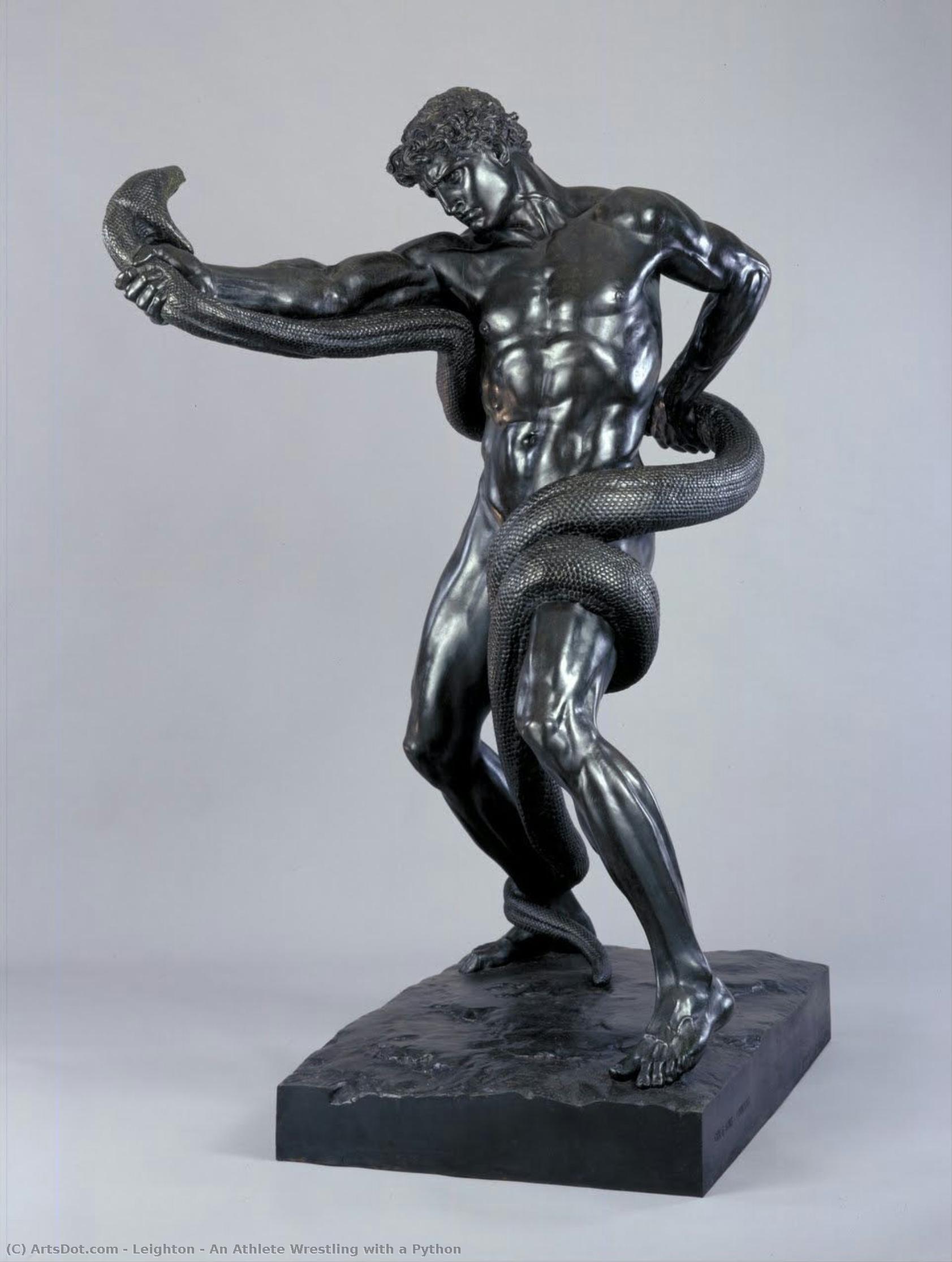
An Athlete Wrestling with a Python

Experience Frederic Leighton's 'An Athlete Wrestling with a Python,' a dramatic bronze sculpture showcasing human strength versus primal power. A masterpiece of neoclassical art, it’s a captivating study of struggle and triumph.

Esplora le xilografie di Clare Leighton (1898-1989), artista britannico-americana celebre per le sue raffigurazioni della vita rurale, del lavoro e dei temi sociali. Scopri il suo lavoro influente nella stampa e illustrazione.

Giclée / Stampe d'arte

Stampa giclée o su tela di qualità museale, con produzione rapida e diverse opzioni di finitura. (Ordina la riproduzione dipinta a mano Ordina la riproduzione dipinta a manoAcquista download Acquista download)

Standard
custom
CM
INCH

Scegli tra le nostre dimensioni predefinite, che rispettano le proporzioni originali dell'opera d'arte.

larghezza
altezza

È possibile inserire dimensioni personalizzate per adattare l'opera a una cornice o a uno spazio specifico. Se la dimensione selezionata non corrisponde alle proporzioni dell'immagine originale, procederemo al ritaglio dell'opera o all'estensione dell'immagine con un bordo specchiato o a tinta unita. Un mockup digitale ti verrà inviato per approvazione prima dell'inizio della produzione.
Si prega di notare che l'anteprima a schermo non riflette il ritaglio o l'estensione effettivi. Solo il mockup mostrerà accuratamente la composizione finale.
Sebbene siano disponibili dimensioni personalizzate, si raccomanda di selezionare una dimensione dall'elenco predefinito per preservare le proporzioni originali.

Consegna in tutto il mondo () in 2 settimane invece delle normali 4/5 settimane. (17 Agosto)

why_choose_icon
Spedizione espressa gratuita in tutto il mondo

why_choose_icon
Tela in lino di alta qualità
why_choose_icon
Assicurazione completa sulla spedizione
why_choose_icon
Garanzia di rimborso dei dazi doganali
why_choose_icon
Garanzia di fedeltà cromatica dell'originale
why_choose_icon
Politica di reso entro 60 giorni (solo per difetti di fabbricazione)
why_choose_icon
Garanzia di rimborso al 100%
why_choose_icon
Sconto per acquisti multipli

Prezzo totale

$ 68

reproduction

An Athlete Wrestling with a Python

Giclée / Stampe d'arte

Dimensioni della riproduzione

-

Prezzo totale

$ 68

Dettagli rapidi

  • Medium: Bronze Sculpture
  • Title: An Athlete Wrestling with a Python
  • Subject or theme: Mythological struggle
  • Artistic style: Neoclassical
  • Notable elements: Classical figures
  • Artist: Frederic Leighton
  • Location: Tate Britain, London

Quiz d'arte

Per ogni domanda è presente una sola risposta corretta.

Domanda 1:
What is the primary subject depicted in Frederic Leighton’s ‘An Athlete Wrestling with a Python’?
Domanda 2:
The sculpture ‘An Athlete Wrestling with a Python’ is considered significant because it:
Domanda 3:
Which artistic movement heavily influenced Frederic Leighton's style, as evidenced by ‘An Athlete Wrestling with a Python’?
Domanda 4:
The sculpture's composition features a prominent pyramidal structure. What does this shape primarily emphasize?
Domanda 5:
What material was primarily used to create ‘An Athlete Wrestling with a Python’?

Descrizione del pezzo

The Genesis of a Masterpiece: Frederic Leighton’s ‘An Athlete Wrestling with a Python’

Frederic Leighton's “An Athlete Wrestling with a Python,” completed in 1877, isn’t merely a depiction of physical combat; it’s a profound meditation on the human condition, a dialogue between strength and vulnerability, and a pivotal moment in the evolution of British sculpture. Leighton, deeply influenced by the grandeur of Italian Renaissance art – particularly the meticulous realism and dramatic narratives found in works by Michelangelo – sought to bridge the gap between the idealized forms of classical antiquity and the burgeoning currents of modern artistic expression. This ambitious undertaking marked a deliberate departure from the prevailing academic style, signaling a shift towards a more emotionally resonant and psychologically complex approach to sculpture.

The painting’s subject matter is rooted in both mythology and allegory. The athlete, powerfully rendered with an almost brutal physicality, embodies human determination and resilience. He's not a heroic figure of triumphant conquest, but rather one locked in a desperate struggle – a wrestling match against a serpentine embodiment of primal instinct, temptation, or perhaps even the very forces of nature itself. The python’s coils, meticulously detailed, evoke both danger and a strange, unsettling beauty, hinting at the seductive allure of chaos and the potential for destruction that lies within seemingly harmless forms.

A Sculptural Revolution: Technique and Materials

Leighton's decision to cast “An Athlete Wrestling with a Python” in bronze was revolutionary. Prior to this, monumental sculptures were predominantly executed in marble, offering a cool, enduring permanence that often prioritized formal perfection over emotional depth. Bronze, however, possessed a remarkable capacity for capturing texture and nuance – the glistening scales of the snake, the strained muscles of the athlete, the rough-hewn surface of the base. The artist skillfully employed lost-wax casting, a complex process allowing for intricate detail and a sense of weight and solidity rarely achieved with marble.

The sculpture’s scale – measuring nearly two meters in height – further amplified its impact. It was designed to be viewed in the round, encouraging viewers to contemplate the scene from multiple perspectives and immersing themselves fully within the drama unfolding before them. Leighton's attention to anatomical accuracy, combined with his masterful use of light and shadow, created a remarkably lifelike representation of human form and animal movement – a testament to his rigorous training and artistic vision.

Symbolism and Emotional Resonance

Beyond its literal depiction of a wrestling match, “An Athlete Wrestling with a Python” is laden with symbolic meaning. The struggle can be interpreted as a metaphor for the challenges inherent in life—the constant battles we face against our own weaknesses, external obstacles, or even our darker impulses. The athlete’s determined expression conveys not just physical strength but also an underlying sense of vulnerability and resolve. The coiled python, often associated with wisdom and healing in ancient traditions, here represents a force that threatens to overwhelm the individual, demanding courage and perseverance to overcome.

Furthermore, the sculpture's placement on a rectangular base adorned with carved details resembling waves or rocks subtly reinforces this theme of struggle against nature. It’s a visual reminder of humanity’s ongoing interaction with the wild, untamed forces that shape our world. The work’s emotional impact is profound—a captivating blend of tension, drama, and ultimately, a celebration of human spirit.

A Legacy in Bronze: Clare Leighton's Vision

The sculpture was created by Clare Leighton, who was the daughter of Robert Leighton (author) and Marie Connor Leighton (author). She studied at Brighton College of Art and later trained at the Slade School of Fine Art and Central School of Arts and Crafts. Her artistic career spanned decades, during which she produced a wealth of wood engravings depicting rural life and social themes. Leighton’s work is characterized by its meticulous detail, evocative storytelling, and profound empathy for her subjects. “An Athlete Wrestling with a Python” stands as a testament to her exceptional talent and her ability to capture the essence of human experience through art.


Biografia dell'artista

Primi Anni e Formazione

  • Nata: 12 aprile 1898, Londra, Regno Unito
  • Morta: 4 novembre 1989
  • Genitori: Robert Leighton (autore) e Marie Connor Leighton (autrice)
  • Primi incoraggiamenti artistici da parte del padre e dello zio Jack Leighton.
  • Studi presso il Brighton College of Art (1915).
  • Formazione alla Slade School of Fine Art (1921–1923) e alla Central School of Arts and Crafts, studiando l'incisione su legno sotto la guida di Noel Rooke.

Carriera Artistica e Sviluppo

  • Sviluppò una profonda affinità per la rappresentazione della vita rurale e della dignità del lavoro attraverso viaggi di schizzo in Europa.
  • Visitò gli Stati Uniti con tour di conferenze durante gli anni '20 e '30, emigrando infine nel 1939.
  • Divenne cittadina statunitense naturalizzata nel 1945.
  • Premiata con il primo premio Mr. and Mrs. Frank G. Logan ($100) dall'Art Institute di Chicago nel 1930.
  • Legò d'amicizia con H.L. Mencken durante il periodo trascorso a Baltimora.
  • Celebre per le sue xilografie che ritraggono scene rurali, l'agricoltura e temi sociali.
  • Creò disegni per Steuben Glass e piatti Wedgwood.

Opere Maggiori e Traguardi Rilevanti

  • Xilografie: Altamente apprezzate per il loro dettaglio e la capacità di ritrarre la vita della classe operaia.
  • The Farmer’s Year (193amento): Un calendario dell'agricoltura inglese, che mostra le routine rurali.
  • Four Hedges – A Gardener's Chronicle (1935): Documentazione dello sviluppo di un giardino nelle Chilterns.
  • Tempestuous Petticoat: The Story of an Invincible Edwardian (1948): Un'opera autobiografica dedicata a sua madre.
  • Edizione illustrata de Il ponte di San Luis Rey di Thornton Wilder, caratterizzata da sedici xilografie.
  • Progettazione di vetrate colorate per chiese e per la Cattedrale di Worcester.

Influenze e Significato Storico

  • Influenze: L'incoraggiamento del padre e dello zio favorì il suo precoce sviluppo artistico. Le osservazioni della vita rurale durante i viaggi europei ne plasmarono i soggetti.
  • Realismo Sociale: La sua opera riflette il movimento del realismo sociale, ritraendo gli individui della classe lavoratrice con dignità e rispetto.
  • Tecnica dell'incisione su legno: Padroneggiò la xilografia, una tecnica che permetteva dettagli intricati e linee precise nelle sue stampe.
  • Prospettiva Femminista: Tempestuous Petticoat offre una prospettiva unica sulla società edoardiana attraverso la lente delle esperienze femminili.
  • Eredità: Riconosciuta come una figura significativa nell'arte britannica e americana, in particolare per i suoi contributi alla xilografia e al commento sociale attraverso l'arte. Il suo lavoro continua a essere esposto e studiato ancora oggi.

Ulteriori Informazioni

  • Wood-Engraving and Woodcuts: Il primo libro sull'incisione su legno prodotto da una donna.
  • Esposta al National Museum of Women in the Arts.
  • Opera presentata in 'Print and Prejudice: Women Printmakers, 1700-1930' presso il Victoria and Albert Museum.
Clare Leighton

Clare Leighton

1898 - 1989 , Regno Unito

Informazioni rapide

  • Artistic Movement Or Style: Xilografia, Illustrazione
  • Date Of Birth: 12 aprile 1898
  • Date Of Death: 1989
  • Full Name: Clare Veronica Hope Leighton
  • Nationality: Britannico-Americana
  • Notable Artworks:
    • Loading (Canadian Lumber Camp)
    • Cotton Pickers (Southern Harvest)
  • Place Of Birth: Londra, Regno Unito
Esplora le opere d'arte organizzate per temi, stili e caratteristiche.