Anteprima in scala reale Prova in AR Ordina la riproduzione dipinta a mano Passa all'immagine digitale Condividi
Dettagli Guida Aggiungi ai preferiti Scarica Articoli simili Radiografia Slideshow Statistiche

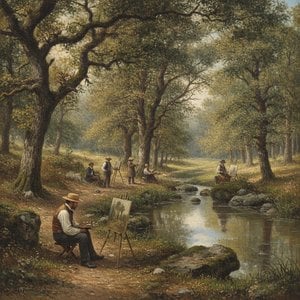
On the River Oise

Experience Charles-François Daubigny's 'On the River Oise,' a serene landscape capturing the beauty of the French countryside. A masterpiece of atmospheric impressionism, perfect for art lovers.

Scopri Charles-François Daubigny (1817-1878), pioniere della Scuola di Barbizon e precursore dell'Impressionismo! Paesaggi suggestivi, scene rurali e capolavori come 'Raccolto'. Esplora la sua eredità su WahooArt.

Giclée / Stampe d'arte

Stampa giclée o su tela di qualità museale, con produzione rapida e diverse opzioni di finitura. ( Ordina la riproduzione dipinta a mano Passa all'immagine digitale)

P118B $10
P118H $10
P118W $10
P438Z $10
P508JH $12
P508YH $12
P805H $10
P805Z $10
P919BZ $10
P919G $10
P919XJ $10
P959ZH $10
P968JZ $12
W106C $8
W218G $10
W218JH $8
W218Y $10
W307PJ $10
W316G $10
W316PJ $8
W316Y $10
W398PJ $8
W4111J $10
W500HY $15
W500JH $15
W692G $12
W849H $8
W940BG $15
W953PJ $8

Standard
personalizzato
CM
INCH

Scegli tra le nostre dimensioni predefinite, che rispettano le proporzioni originali dell'opera d'arte.

larghezza
altezza

È possibile inserire dimensioni personalizzate per adattare l'opera a una cornice o a uno spazio specifico. Se la dimensione selezionata non corrisponde alle proporzioni dell'immagine originale, procederemo al ritaglio dell'opera o all'estensione dell'immagine con un bordo specchiato o a tinta unita. Un mockup digitale ti verrà inviato per approvazione prima dell'inizio della produzione.
Si prega di notare che l'anteprima a schermo non riflette il ritaglio o l'estensione effettivi. Solo il mockup mostrerà accuratamente la composizione finale.
Sebbene siano disponibili dimensioni personalizzate, si raccomanda di selezionare una dimensione dall'elenco predefinito per preservare le proporzioni originali.

Consegna in tutto il mondo () in 2 settimane invece delle normali 4/5 settimane. (21 Settembre)

why_choose_icon
Spedizione espressa gratuita in tutto il mondo
why_choose_icon
Tela in lino di alta qualità
why_choose_icon
Assicurazione completa sulla spedizione
why_choose_icon
Garanzia di rimborso dei dazi doganali
why_choose_icon
Garanzia di perfetta fedeltà cromatica
why_choose_icon
Politica di reso entro 100 giorni (solo per difetti di fabbricazione)
why_choose_icon
Garanzia di rimborso al 100%
why_choose_icon
Sconto per acquisti multipli

Prezzo totale

$ 68

reproduction

On the River Oise

Giclée / Stampe d'arte

Dimensioni della riproduzione

-

Prezzo totale

$ 68

Dettagli rapidi

  • Influences:
    • Corot
    • Delaroche
  • Title: On the River Oise
  • Location: Reading Public Museum
  • Medium: Oil on wood
  • Subject or theme: River scenery
  • Movement: Barbizon School, Impressionism
  • Dimensions: 37.5 x 67 cm

Quiz d'arte

Per ogni domanda è presente una sola risposta corretta.

Domanda 1:
What artistic movement is Charles-François Daubigny most closely associated with?
Domanda 2:
The painting 'On the River Oise' primarily depicts:
Domanda 3:
What technique did Daubigny frequently employ in his paintings, as evidenced by the 'On the River Oise'?
Domanda 4:
In which museum can you currently view a copy of 'On the River Oise'?
Domanda 5:
What is a key characteristic of Daubigny’s approach to landscape painting, as reflected in 'On the River Oise'?

Charles-François Daubigny’s “On the River Oise”: A Symphony of Light and Tranquility

Charles-François Daubigny's "On the River Oise," painted in 1863, isn’t merely a landscape; it’s an immersion into a fleeting moment of serene beauty. This captivating work, now residing within the Reading Public Museum, offers a glimpse into the heart of the Barbizon school and the burgeoning Impressionist movement—a testament to Daubigny's pioneering approach to capturing the essence of nature through light and atmosphere. The painting immediately draws the viewer in with its soft, diffused light, reminiscent of a hazy summer afternoon, and invites contemplation of the river’s gentle flow.

Daubigny, born in Paris in 1817, was a pivotal figure bridging the gap between academic tradition and the revolutionary techniques of his contemporaries. Initially trained under Paul Delaroche, he quickly rejected the rigid formality of classical painting, embarking on a journey to paint directly from nature—a radical shift at the time. His decision to relocate to Auvers-sur-Oise in 1860 marked a turning point, allowing him to spend countless hours observing and documenting the river’s ever-changing moods. This intimate connection with his subject matter is palpable in “On the River Oise,” where every brushstroke seems imbued with a deep understanding of the landscape.

A Masterclass in Atmospheric Impressionism

The painting's style exemplifies atmospheric impressionism, a technique championed by Daubigny and others who sought to capture not just the appearance of a scene but its very feeling. He employed loose, visible brushstrokes—a hallmark of the Barbizon school—to render the water’s surface with shimmering reflections and subtle gradations of color. Notice how he avoids sharp outlines, instead blending hues seamlessly to create an illusion of depth and movement. The distant mountains are rendered in muted blues and purples, while the foreground is bathed in a warmer, golden light, drawing the eye into the heart of the composition.

Daubigny’s masterful use of color is particularly noteworthy. He doesn't rely on precise representation but rather on capturing the *impression* of color—the way it shifts and changes with the interplay of light and shadow. The dominant palette consists of greens, blues, and browns, creating a harmonious and calming effect. The subtle variations in tone – from the vibrant greens of the riverbank to the hazy blues of the distant hills – contribute significantly to the painting’s overall sense of tranquility.

Symbolism and Emotional Resonance

Beyond its technical brilliance, “On the River Oise” is rich in symbolic meaning. The washerwoman kneeling by the water's edge—a recurring motif in Daubigny’s work—represents a connection to everyday life and the rhythms of nature. Her presence adds a touch of human warmth to the otherwise serene landscape, reminding us of our own place within the natural world. The river itself symbolizes fluidity, change, and the passage of time – themes that resonate deeply with the Impressionist sensibility.

Furthermore, the painting evokes a profound sense of peace and contemplation. The stillness of the water, the muted colors, and the absence of any dramatic elements create an atmosphere of quiet beauty—a refuge from the hustle and bustle of modern life. It’s a scene that invites us to slow down, breathe deeply, and appreciate the simple pleasures of nature. “On the River Oise” is more than just a painting; it's an invitation to experience a moment of profound serenity.

A Legacy of Light and Observation

Charles-François Daubigny’s "On the River Oise" stands as a pivotal work in the transition from academic art to the Impressionist movement. His dedication to painting *en plein air*, his innovative use of color, and his ability to capture the fleeting effects of light have left an enduring legacy on generations of artists. Reproductions of this stunning piece offer a remarkable opportunity to bring its tranquil beauty into any interior space, fostering a sense of calm and connection with the natural world—a timeless reminder of Daubigny’s profound understanding of light, color, and the human spirit.


Biografia dell'artista

La Vita e la Formazione di Charles-François Daubigny

Charles-François Daubigny, nato a Parigi il 15 febbraio 1817, proveniva da una famiglia di pittori. Ricevette la sua formazione artistica dal padre, Edmond François Daubigny, e dallo zio, il miniaturista Pierre Daubigny. Questa precoce esposizione all'arte pose le basi per il suo futuro successo. Daubigny dimostrò un talento innato fin dalla tenera età, sviluppando una profonda comprensione della tecnica pittorica sotto la guida dei suoi familiari. La sua infanzia fu segnata da un forte interesse per l'osservazione del mondo naturale, che influenzò profondamente il suo stile artistico successivo.

La Scuola di Barbizon e l’Influenza dell’Impressionismo

Daubigny è considerato una figura chiave della Scuola di Barbizon, un gruppo di artisti che lavoravano nella foresta di Fontainebleau, vicino a Parigi. Questi pittori si dedicavano alla rappresentazione accurata e non idealizzata della vita rurale e del paesaggio, spesso dipingendo direttamente all'aperto. La sua opera è vista come una preparazione importante per l’Impressionismo, uno stile che enfatizza la cattura dell'effimera realtà della natura. Daubigny sperimentò con nuove tecniche pittoriche, cercando di rendere le variazioni di luce e atmosfera nei suoi dipinti. La sua attenzione ai dettagli atmosferici e alla resa dei colori influenzò profondamente i pittori impressionisti successivi.

Opere Significative

Tra le opere più importanti di Daubigny si annoverano:
  • Raccolto (1857), conservato al Musée d'Orsay a Parigi, che testimonia la sua capacità di catturare l’essenza della vita rurale.
  • I Laghi di Gylieu (1864), esposto al Cincinnati Art Museum negli Stati Uniti, dimostra la sua abilità nella pittura paesaggistica.
  • Moonlight (1865) e Auvers-sur-Oise (1868), che consolidano ulteriormente la sua posizione di maestro dei paesaggi impressionisti.
Questi dipinti riflettono il suo interesse per la rappresentazione fedele della natura, con particolare attenzione alla luce e all'atmosfera. La sua tecnica pittorica si caratterizza per l’uso di pennellate fluide e colori vibranti, che conferiscono ai suoi paesaggi un senso di movimento e vitalità.

Evoluzione Artistica e Significato Storico

Daubigny continuò a evolvere il suo stile nel corso della sua carriera, sperimentando con nuove tecniche e soggetti. La sua capacità di combinare l'osservazione diretta della natura con una sensibilità artistica raffinata lo rese un punto di riferimento per i pittori successivi. La sua influenza si estende all’Impressionismo, dove la sua attenzione alla luce e all'atmosfera ha contribuito a definire le caratteristiche fondamentali del movimento. Daubigny morì a Parigi il 19 febbraio 1878 e fu sepolto al cimitero di Père-Lachaise. La sua eredità artistica continua ad essere celebrata, con i suoi dipinti esposti in importanti musei di tutto il mondo. Il suo lavoro rimane un esempio significativo dell'arte francese del XIX secolo e una testimonianza della sua profonda connessione con la natura.

Charles-François Daubigny

Charles-François Daubigny

1817 - 1878 , Francia

Informazioni rapide

  • Artisti Influenti:
    • Edmond François Daubigny
    • Pierre Daubigny
  • Artisti Influenzati:
    • Claude Monet
    • Alfred Sisley
  • Data Di Nascita: 15 febbraio 1817
  • Luogo Di Nascita: Parigi, Francia
  • Movimento Artistico: Barbizon e Impressionismo
  • Nazionalità: Francese
  • Nome Completo: Charles-François Daubigny
  • Opere Notevoli:
    • Raccolto (1857)
    • I laghi di Gylieu (1864)
    • Moonlight (1865)
    • Auvers-sur-Oise (1868)
Esplora le opere d'arte organizzate per temi, stili e caratteristiche.