x
Anteprima in scala realeAnteprima in scala reale Anteprima ARAnteprima AR Acquista il dipinto realizzato a mano Acquista il dipinto realizzato a manoAcquista immagine Acquista immagine InviaInvia
Dettagli operaDettagli opera Aggiungi ai preferiti Aggiungi ai preferiti Scarica immagineScarica immagine SimiliSimili RadiografiaRadiografia SlideshowSlideshow


Rainbow

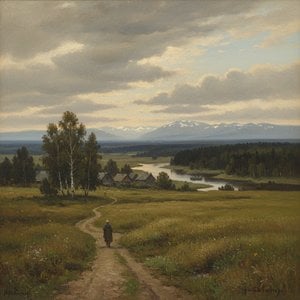
A serene hillside scene filled with tranquil light and atmospheric clouds defines this 1875 lyrical landscape by Alexei Kondratyevich Savrasov, inviting you to bring the beauty of Russian nature into your home.

Scopri i paesaggi lirici di Alexei Savrasov (1830-1897), pionire della pittura russa che celebra la bellezza della natura con opere emblematiche come 'I Corvi Sono Ritornati'.

Giclée / Stampe d'arte

Stampa giclée o su tela di qualità museale, con produzione rapida e diverse opzioni di finitura. (Acquista il dipinto realizzato a mano Acquista il dipinto realizzato a manoAcquista immagine Acquista immagine)

P118B $10
P118H $10
P118W $10
P438Z $10
P508JH $12
P508YH $12
P805H $10
P805Z $10
P919BZ $10
P919G $10
P919XJ $10
P959ZH $10
P968JZ $12
W106C $8
W218G $10
W218JH $8
W218Y $10
W307PJ $10
W316G $10
W316PJ $8
W316Y $10
W398PJ $8
W4111J $10
W500HY $15
W500JH $15
W692G $12
W849H $8
W940BG $15
W953PJ $8

Formato standard
su misura
CM
INCH

Scegli tra le nostre dimensioni predefinite, che rispettano le proporzioni originali dell'opera d'arte.

larghezza
altezza

È possibile inserire dimensioni personalizzate per adattare l'opera a una cornice o a uno spazio specifico. Se la dimensione selezionata non corrisponde alle proporzioni dell'immagine originale, procederemo al ritaglio dell'opera o all'estensione dell'immagine con un bordo specchiato o a tinta unita. Un mockup digitale ti verrà inviato per approvazione prima dell'inizio della produzione.
Si prega di notare che l'anteprima a schermo non riflette il ritaglio o l'estensione effettivi. Solo il mockup mostrerà accuratamente la composizione finale.
Sebbene siano disponibili dimensioni personalizzate, si raccomanda di selezionare una dimensione dall'elenco predefinito per preservare le proporzioni originali.

Consegna in tutto il mondo () in 2 settimane invece delle normali 4/5 settimane. (1 Settembre)

why_choose_icon
Spedizione espressa gratuita in tutto il mondo
why_choose_icon
Tela in lino di alta qualità
why_choose_icon
Assicurazione completa sulla spedizione
why_choose_icon
Garanzia di rimborso dei dazi doganali
why_choose_icon
Garanzia di fedeltà cromatica
why_choose_icon
Politica di reso entro 60 giorni (solo per difetti di fabbricazione)
why_choose_icon
Garanzia di rimborso al 100%
why_choose_icon
Offerta per acquisti multipli

Prezzo totale

$ 68

reproduction

Rainbow

Giclée / Stampe d'arte

Dimensioni riproduzione

-

Prezzo totale calcolato

$ 68

Informazioni rapide

  • Artist: Alexei Kondratyevich Savrasov
  • Location: The State Hermitage Museum, Russia
  • Medium: Oil on canvas
  • Dimensions: 44 x 56 cm
  • Notable elements: Play of sunlight, cloudy sky, dog, people
  • Year: 1875

A Symphony of Light and Serenity

In the vast tapestry of nineteenth-century Russian landscape painting, few works capture the ephemeral magic of a passing storm as tenderly as Alexei Kondratyevich Savrasov’s Rainbow. Painted in 1875, this exquisite oil on canvas serves as a profound testament to the artist's ability to transform a simple rural vista into a poetic meditation on nature's fleeting beauty. The scene unfolds upon a gentle hillside, where a solitary house sits perched atop the rise, acting as an anchor for the viewer’s eye amidst the sprawling landscape. As the clouds begin to part, a soft, prismatic arc stretches across the heavens, signaling a moment of profound transition between the heaviness of rain and the clarity of sunlight.

Savrasov was a pioneer of what is known as the "lyrical landscape," a style that eschews grand, dramatic vistas in favor of intimate, emotionally resonant depictions of the Russian countryside. In Rainbow, this technique is masterfully executed through a delicate interplay of light and atmosphere. The artist utilizes a nuanced palette to capture the damp, heavy air of a post-rain afternoon, where the sky remains thick with clouds yet allows shafts of sunlight to pierce through, illuminating the verdant slopes and the textures of the earth. This mastery of light does more than just illuminate the scene; it breathes life into the very atmosphere, creating a sense of depth that draws the collector into the quiet, breathing world of the painting.

The Soul of Rural Life

Beyond the meteorological spectacle, the painting is deeply rooted in the human experience. Scattered throughout the landscape are subtle traces of life: figures moving near the house and a faithful dog resting toward the edge of the frame. These elements are not merely decorative; they ground the ethereal beauty of the rainbow in the tangible reality of everyday existence. There is a profound sense of harmony and balance in the composition, where the presence of man and animal feels entirely integrated into the natural order. For the interior designer or art enthusiast, this piece offers a unique emotional equilibrium—a sense of tranquility that can transform a living space into a sanctuary of peace.

The historical significance of Savrasov’s work lies in his ability to find the extraordinary within the ordinary. By focusing on the quiet dignity of the Russian landscape and its inhabitants, he moved away from the academic rigidity of his era toward a more soulful, direct way of seeing. Owning a high-quality reproduction of Rainbow is not merely about acquiring a beautiful image; it is about inviting a piece of history into one's home—a piece that celebrates the enduring resilience and quiet splendor of the natural world. Whether placed in a sunlit study or a sophisticated gallery setting, this work continues to inspire awe through its simple, breathtaking honesty.


Biografia dell'artista

Aleksei Kondratyevich Savrasov: The Poet of Russian Landscape

Alexei Kondratyevich Savrasov (May 24, 1830 – October 8, 1897) stands as one of Russia’s most revered landscape painters, a figure inextricably linked to the genesis of “lyrical landscape”—a genre that prioritized emotional resonance over meticulous topographical accuracy. He wasn't merely documenting scenery; he was channeling its spirit into art, establishing a distinctly Russian voice within the broader European artistic panorama and profoundly influencing subsequent generations of artists.

Early Years and Artistic Formation

Born into a merchant family in Moscow, Savrasov’s artistic inclinations manifested early on. He possessed an innate talent for drawing and, at the tender age of thirteen, enrolled as a student at the Moscow School of Painting, Sculpture and Architecture (MSPSA), where he studied under Karl Rabus. This formative period instilled in him a foundational understanding of academic painting traditions—a discipline that would later serve as a springboard for his own innovative explorations.

The Influence of Romanticism and Constable

Savrasov’s initial artistic output reflected the pervasive influence of Romanticism, characterized by dramatic landscapes imbued with emotional intensity. However, he quickly recognized the limitations of this style and sought inspiration from British painter John Constable—whose masterful depictions of rural England championed atmospheric perspective and conveyed a profound connection to nature. Savrasov's gaze turned towards Switzerland as well, where he encountered Alexandre Calame’s evocative canvases, furthering his artistic vision.

The Birth of Lyrical Landscape

A pivotal moment arrived in 1870 when Savrasov joined the Peredvizhniki (“Wanderers”), a collective dedicated to realist art with social commentary—a decisive break from the prevailing academic conventions. This affiliation marked the definitive abandonment of Romantic formalism and ushered in the emergence of “lyrical landscape,” a style championed by Savrasov himself. He deliberately eschewed grand vistas or artificial panoramas, opting instead for scenes of everyday rural life—often rendered in subtle hues that captured the ephemeral beauty of dawn, dusk, or winter snow.

“The Rooks Have Returned”: A Masterpiece of Mood

"The Rooks Have Returned" (1871)—arguably Savrasov’s most celebrated work—epitomizes this distinctive aesthetic. Far from striving for photographic realism, Savrasov sought to convey the emotional essence of springtime—the return of birds to their nests amidst birch trees and melting snow. Critics hailed it as a watershed moment in Russian landscape painting, recognizing its ability to distill universal human sentiment into a deceptively simple visual narrative. The canvas’s understated palette—dominated by browns, blues, violets, and golds—mirrored the delicate tonal harmonies of Constable's paintings and solidified Savrasov’s reputation as a pioneer of lyrical realism.

Legacy and Influence

Savrasov’s artistic legacy extends far beyond his own oeuvre. He profoundly impacted subsequent generations of Russian landscape painters—most notably Isaac Levitan and Konstantin Korovin—who embraced his stylistic innovations and championed the pursuit of emotional truthfulness in depicting nature. Savrasov's paintings continue to captivate audiences today, serving as enduring emblems of Russia’s artistic heritage and embodying the profound beauty found within the commonplace landscapes of the Russian countryside.

Alexei Kondratyevich Savrasov

Alexei Kondratyevich Savrasov

1830 - 1897 , Russia

Dati rapidi

  • Artistic Movement Or Style: Lyrical Landscape
  • Artists Or Movements Influenced By This Artist:
    • Isaac Levitan
    • Peredvizhniki
  • Artists Who Influenced This Artist:
    • John Constable
    • Alexandre Calame
  • Date Of Birth: May 24, 1830
  • Date Of Death: October 8, 1897
  • Full Name: Alexei Kondratyevich Savrasov
  • Nationality: Russian
  • Notable Artworks:
    • The Rooks Have Returned
    • View of the Kremlin
    • Winter Night
  • Place Of Birth: Moscow, Russia
Esplora le opere d'arte organizzate per temi, stili e caratteristiche.