Értékesítés
x
MegtekintésMegtekintés Műalkotás AR előnézeteMűalkotás AR előnézete Nyomat rendelése Nyomat rendeléseKép letöltése Kép letöltése KüldésKüldés

RészletekRészletek Kedvencekhez ad Kedvencekhez ad LetöltésLetöltés Hasonló darabokHasonló darabok X-ray felvételX-ray felvétel DiavetítésDiavetítés

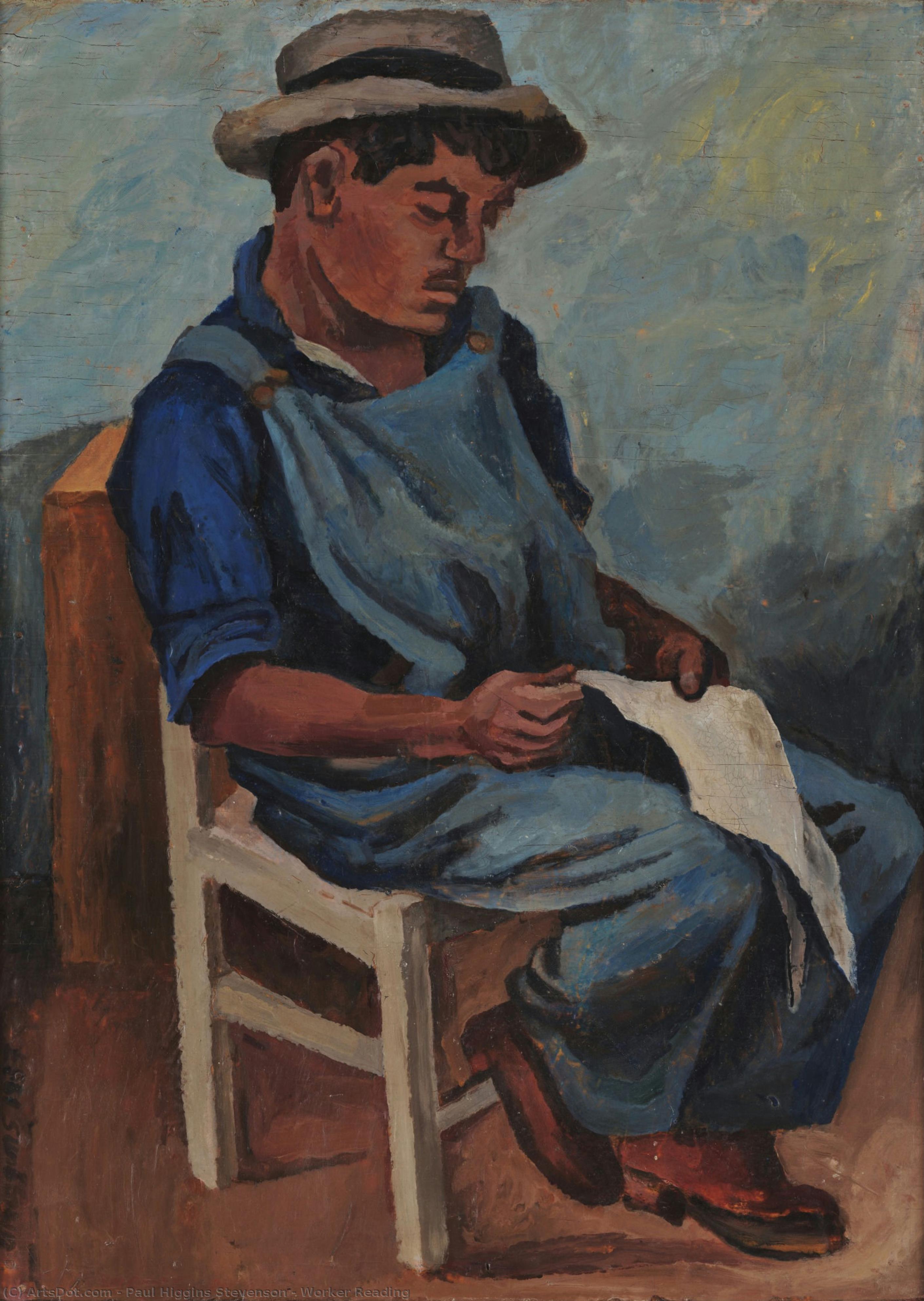
Worker Reading

Discover Paul Higgins Stevenson: American-Mexican artist known for vibrant murals & encaustic paintings. Explore his legacy of social commentary & artistic innovation.

Kézzel készített olajfestmény reprodukció

Kézzel festett olajvastú vászon, az Ön által választott méretben és keretben, művészeink készítik meglévőre. (Nyomat rendelése Nyomat rendeléseKép letöltése Kép letöltése)

Standard
custom
CM
INCH

Válasszon előre meghatározott méreteink közül, amelyek megfelelnek a műalkotás eredeti arányainak.

szélesség
magasság

Ön megadhat saját méreteket egy adott kerethez vagy térhez igazításhoz. Ha a kiválasztott méret nem egyezik az eredeti kép arányával, akkor a műalkotást levágjuk, vagy további kézzel festett elemekkel meghosszabbítjuk a festményt. A gyártás megkezdése előtt küldünk Önnek egy digitális előnézetet jóváhagyásra.
Kérjük, vegye figyelembe, hogy a képernyőn megjelenő előnézet nem tükrözi a tényleges vágást vagy kiterjesztést. Csak az előnézet fog pontosan mutatni a végső kompozíciót.
Bár egyedi méretek állnak rendelkezésre, javasoljuk, hogy válasszon egy méretet az előre meghatározott listából az eredeti arányok megőrzése érdekében.

Példák arra, mit lehet módosítani: az arc kicserélése az ügyfél fotójára; háziállat hozzáadása (pl. macska helyett kutya); rejtett üzenet elhelyezése a háttérben; a háttér tájának vagy elemeinek megváltoztatása.
A rendelést követően a WahooArt.com csapata e-mailt küld az ügyfélnek az instrukciókért, és biztosít egy előnézeti képet (mockup).

Világszerte elérhető szállítás () 3-4 hét alatt a szokásos 5 hét helyett. (15 augusztus). A minőség nem kérdőjelezhető.

why_choose_icon
Ingyenes globális expressz szállítás
why_choose_icon
Prémium minőségű len vászon
why_choose_icon
Teljes körű szállítási biztosítás
why_choose_icon
Vámvisszatérítési Garancia
why_choose_icon
Hiteles színpontosság garancia
why_choose_icon
60 napos visszaküldési lehetőség (csak hibás termékek esetén)
why_choose_icon
100% pénzvisszatérítési garancia
why_choose_icon
Több darab vásárlása esetén kedvezmény

Összesített ár

$ 272

reproduction

Worker Reading

Reprodukciós technika

Reprodukció mérete

-

Összesített ár

$ 272


A művész életrajza

Salvador Dalí: A Surrealist Visionary

Born in Figueres, Catalonia, Spain, on May 11, 1904, Salvador Dalí was more than just a painter; he was an architect of dreams, a meticulous craftsman of the subconscious. His life and work are inextricably linked to the burgeoning Surrealist movement of the early 20th century, yet his unique vision transcended simple categorization, establishing him as one of the most recognizable and influential artists of all time. From his eccentric personality to the bizarre imagery that populated his canvases, Dalí captivated audiences with a world where logic dissolved and the impossible became startlingly real.

Dalí’s early life was marked by both tragedy and artistic encouragement. The death of his mother at the age of two profoundly impacted him, fueling a lifelong fascination with mortality and decay – themes that would frequently surface in his work. His father, a Republican notary, instilled in him a strong sense of Catalan identity and a deep appreciation for classical art, while his aunt Rosa, a devoted supporter, nurtured his artistic talents by providing him with drawing materials and encouraging his creative pursuits. This early exposure to both tradition and innovation laid the foundation for Dalí’s distinctive style.

The Rise of Surrealism and Artistic Development

Dalí's formal art training at the Real Academia de Bellas Artes de San Fernando in Madrid proved somewhat frustrating, as he chafed against the rigid academic standards. However, it was during this period that he encountered the revolutionary ideas of Cubism and Futurism, movements that challenged traditional notions of representation and paved the way for Surrealist experimentation. His encounter with Sigmund Freud’s theories on psychoanalysis in the late 1920s proved particularly transformative, providing a framework for exploring the hidden depths of the human psyche. He quickly embraced Surrealism, aligning himself with André Breton and other leading figures of the movement.

Dalí's artistic development was characterized by an obsessive attention to detail and a meticulous approach to his craft. He famously employed a “paranoiac-critical method,” a technique he developed to access his subconscious mind through systematic observation and analysis. This process allowed him to translate his dreams, anxieties, and fantasies onto canvas with astonishing precision. His early works, such as "The Persistence of Memory" (1931), featuring melting clocks in a desolate landscape, became instantly iconic, capturing the essence of Surrealist themes – time, decay, and the irrationality of the subconscious.

Major Works and Recurring Themes

Dalí’s oeuvre is vast and diverse, encompassing paintings, sculptures, drawings, films, and stage designs. “The Persistence of Memory,” arguably his most famous work, remains a powerful symbol of Surrealism, while other notable pieces include “Swans Reflecting Elephants” (1937), "Galatea of the Spheres" (1952), and “Christ of Saint John of the Cross” (1951). Recurring themes in his art include sexuality, death, religion, science, and the relationship between reality and illusion. His meticulous rendering of seemingly impossible scenarios – ants crawling on melting clocks, elongated figures, distorted landscapes – created a world that was both unsettling and strangely alluring.

Dalí’s influence extended far beyond the realm of painting. He designed stage sets for operas and ballets, collaborated with filmmakers like Luis Buñuel, and even ventured into fashion design. His eccentric personality and flamboyant style further cemented his status as a cultural icon, attracting attention from journalists, critics, and the public alike.

Legacy and Historical Significance

Salvador Dalí died in Figueres on January 23, 1989, leaving behind a legacy that continues to fascinate and inspire. His work remains a cornerstone of Surrealist art, influencing generations of artists and designers. Dalí’s ability to translate the intangible world of dreams into tangible form demonstrated the power of art to explore the deepest recesses of the human mind. He challenged conventional notions of beauty and representation, pushing the boundaries of artistic expression and solidifying his place as one of the most significant figures in 20th-century art.

Today, the Dalí Museum in Figueres, Spain, houses an extensive collection of his works, offering visitors a unique opportunity to immerse themselves in the surreal world of this extraordinary artist. His influence can be seen not only in the art world but also in popular culture, where his imagery continues to evoke wonder and intrigue.

paul higgins stevenson

paul higgins stevenson

1904 - 1983 , United States of America

A művészről röviden

  • Artistic Movement Or Style: Surrealism
  • Artists Or Movements Influenced By This Artist:
    • Picasso
    • Dalí
  • Artists Who Influenced This Artist:
    • Cubism
    • Dada
    • Impressionism
  • Date Of Birth: May 11, 1904
  • Date Of Death: January 23, 1989
  • Full Name: Salvador Felipe Jacinto Dalí i Domènech
  • Nationality: Spanish
  • Notable Artworks:
    • The Persistence of Memory
    • Galatea of the Spheres
    • Dream Caused by the Flight of a Bee
  • Place Of Birth: Figueres, Catalonia, Spain