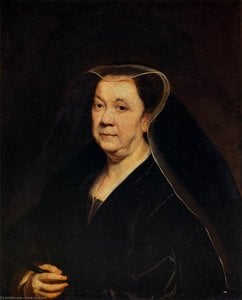
A Flemish Master of Life’s Abundance: Jacob Jordaens
Jacob Jordaens, a name synonymous with the vibrant heart of 17th-century Flanders, was more than just a painter; he was a chronicler of everyday life, a master of capturing the boisterous joy and subtle complexities of the human experience. Born in Antwerp in 1593 into a prosperous linen merchant family, Jordaens’s artistic journey began not with formal training in Italy – a common path for many Flemish artists at the time – but within the walls of his own home under the tutelage of Adam van Noort, a respected painter and, crucially, the master of Peter Paul Rubens. This grounding in meticulous technique and compositional understanding formed the bedrock of Jordaens’s distinctive style, one that ultimately diverged significantly from its influences while retaining their essence.- Early Influences: Van Noort's workshop provided a crucial foundation, exposing Jordaens to the techniques of oil painting and tapestry design – skills he would later utilize in his own prolific output.
- Marriage and Family: In 1616, he married Katharina van Noort, Adam’s daughter, solidifying his connection to the established Antwerp art world and beginning a family life that would continue until his death.
- Guild Membership & Early Works: Jordaens joined the Guild of St. Luke in 1616, marking his official entry into the professional art community. His early works often focused on watercolor designs for tapestries, demonstrating his versatility and technical skill.
The Painter of Peasant Revelry and Baroque Grandeur
Jordaens’s artistic output was remarkably diverse, encompassing a wide range of subjects – religious narratives, mythological scenes, allegorical compositions, and, most famously, genre paintings brimming with life. However, it is his depictions of peasant festivals and tavern scenes that have cemented his place in art history. These aren't simply celebrations of merriment; they are imbued with subtle moralizing undertones, reflecting the complex relationship between indulgence and restraint prevalent in 17th-century society. Paintings like *The King Drinks* (also known as the Feast of the Bean King) exemplify this characteristic style: crowded compositions filled with robust figures engaged in lively revelry, rendered in warm, glowing colors and dramatic chiaroscuro – a technique borrowed from Caravaggio but adapted to his own unique vision. The scenes radiate an uninhibited joy in earthly pleasures, yet they also subtly remind viewers of the potential consequences of excess.- Key Works: *The King Drinks*, *The Satyr and the Peasant*, *Prometheus Bound* are among his most celebrated works, showcasing his ability to capture both the exuberance and underlying complexity of human behavior.
- Moral Ambiguity: Jordaens’s paintings often present a nuanced view of morality, suggesting that pleasure and restraint can coexist within the same scene.
Influences and a Distinct Artistic Voice
Despite eschewing the traditional Italian pilgrimage for artistic training, Jordaens was deeply influenced by the masters of his time. He studied prints and copies of works by Jacopo Bassano, Paolo Veronese, and, most significantly, Caravaggio – artists whose dramatic use of light and shadow profoundly impacted his own style. However, Jordaens didn’t simply imitate these influences; he synthesized them with his own Flemish sensibilities, creating a style that was uniquely his own. He differed from Rubens and Van Dyck in his preference for realism over idealism, embracing a more direct and unrefined approach to depicting the human form. His figures are often substantial, even corpulent, their faces flushed with health and vitality – a stark contrast to the idealized forms favored by some of his contemporaries. This commitment to naturalism, combined with his masterful command of color and composition, set him apart from his peers and established him as a leading figure in Flemish Baroque painting.- Caravaggio’s Influence: Jordaens' use of dramatic lighting and tenebrism is a clear testament to Caravaggio's impact on his work.
- Flemish Realism: He retained the core elements of Flemish realism, prioritizing honest depictions of everyday life over idealized representations.
Legacy and Enduring Impact
Throughout his long and prolific career, Jordaens trained numerous pupils – fifteen were officially recorded by the Guild of St. Luke between 1621 and 1667— ensuring the continuation of his artistic legacy. His influence can be seen in the work of later artists like Jan Steen, who shared his penchant for depicting lively genre scenes. Beyond his direct impact on other painters, Jordaens’s classically inspired peasant themes had a lasting effect on the art world, challenging traditional hierarchies and celebrating the dignity of everyday life. Even today, his paintings continue to captivate audiences with their energy, vitality, and honest portrayal of human experience. His ability to blend realism with allegory, sensuality with morality, and grandeur with intimacy makes him one of the most compelling and enduring figures of the Baroque period. Discover more of Jordaens’ masterpieces and explore the rich artistic landscape of the Baroque era through resources available online, including detailed databases of his works and insightful analyses of his life and art.Gyakran Ismételt Kérdések
Hol tekinthetők meg Jordaens műveit egy 3D-s galériában?
Jordaens 3D Múzeum egy olyan oldal, amely a művész alkotásait mutatja be egy virtuális, háromdimenziós galériában.
Hol és melyik országban született Jordaens?
Jordaens Antwerpen városban, Belgium országban született.
Megvizsgálhatom Jordaens színhasználatát az összes művében?
Jordaens színek használata a ez a weboldal oldalon található műveiben a művész Paletta Genom oldalán tanulmányozható.
Honnan származik Jordaens?
Jordaens Belgium-ban született.
Hol és 어느 해 született Jordaens?
Jordaens Antwerpen városban született, 1593 évben.
Hogyan találhatok Jordaens műveit egy adott témában?
Jordaens művei kulcsszavakra bontva is felfedezhetők a művész Kulcsszavak alapján oldalán. Minden kulcsszó a hozzá tartozó alkotásokat gyűjti össze.
Jordaens műveit műkor movements szerint böngészhetem?
Jordaens művei a művész Összes irányzat oldalán, stílusirányzat szerinti csoportosításban tekinthetők meg.