Megtekintés Műalkotás AR előnézete Áttérés Nyomtatványra Kézzel festett másolat rendelése Küldés
Részletek Kedvencekhez ad Letöltés Hasonló darabok X-ray felvétel Diavetítés Statisztika

Crucifixion

Experience the dramatic realism of Van Heemskerck's 1545 Crucifixion triptych, blending Dutch detail with Italian grandeur; discover this masterpiece today.

Maerten van Heemskerck (1498-1574) holland reneszánsz festő volt, aki innovatív portréiról, vallásos jeleneteiről és az olasz hatásról ismert. Fedezze fel mesterműveit – beleértve a 'Sampson a templom oszlopjainak döntése' című alkotást.

Vásároljon nagy felbontású, javított digitális képet, amely minőségében messze felülmúlja az online előnézetet.

Minden fájlt szakembereink a legmodernebb eszközök és precíz, kézi retusálás segítségével készítenek el aprólékosan. Gondoskodunk arról, hogy minden kép kivételes tisztasággal, pontos színhelyességgel és részletgazdag finomsággal rendelkezzen.

A végleges fájl 72 órán belül e-mailben megérkezik, professzionális, szerkesztői és nyomtatási környezetbe optimalizálva az azonnali használathoz. Ez ugyanaz a minőség, amelyben a legmeghatározóbb tervezőstúdiók, kiadók és galériák is megbízhatnak.

Digitális kép

Töltsön le nagy felbontású fájlt személyes kiállításokhoz, nyomtatáshoz és kreatív projektekhez. ( Áttérés Nyomtatványra Kézzel festett másolat rendelése)

Összesített ár

$ 24,90

Minden digitális kép rendeléséhez tartozó extrák

Szakértői digitális kézbesítés, garantáltan

Amikor a WahooArt.com szolgáltatást választja, nem csupán egy képet kap – professzionálisan felmagasított digitális műalkotást kap, amely precizitással készült, és amelyet megelégsedési gwarancia tesz biztoslássá. Az alábbiakban automatikusan minden benne 】

shipping_icon
Gyors e-mail teslimítés

A nagy felbontású digitális képmásolatát a megrendelést követő 72 órán belül e-mailben elküldjük Önnek – azonnal használható formátumban.

canvas_icon
MI-alapú digitális fejlesztésű fájl

Műve professzionális módon kerül optimalizálásra fejlett mesterséges intelligencia eszközök és manuális szerkesztés segítségével, biztosítva a maximális részletességet, tisztaságot és színpontosságot.

insurance_icon
Örök életű ingyenes újradelivery

Véletlenül törölted vagy elvesztetted a fájlodat? Ne aggódj – bármikor ingyen újra megküldjük neked.

tax_icon
Nincs importköltség – soha

Élvezze műalkotásait azonnal, vám, illeték vagy szállítási költség nélkül – a digitális letöltések mindig adamentesek.

color_icon
Színpontosság garantálása

Professzionális eszközök és színkezelés segítségével garantáljuk, hogy digitális képe a lehető legpontosabban tükrözze az eredeti színeket.

return_icon
100 napos elégedettségi garancia

Ha nemມີ elégedett a digitális képével, 100 napon belül felülvizsgáljuk vagy 100% visszatérítjük az amountot – kérdés बिना.

guarantee_icon
100% Pénzvisszatérítési garancia

Nem tetszett a vásárlás? 100 napon belül teljes visszatérítést garantálunk a digitális fájl megvételétől számítva – kérdés बिना.

discount_icon
Tömegrendelési kedvezmények

Vásároljon 3 képet, spóroljon 10%-et - Vásároljon 5-öt, spóroljon 15%-et - Vásároljon 10+ képet, spóroljon 20%-at. Kiváló kreatív projektekhez, galériákhoz és ügynökségekhez.

Gyors információk

  • Notable elements or techniques: Innovative composition; Symbolism
  • Year: 1545
  • Influences: Renaissance Art
  • Location: Private Collection
  • Title: Crucifixion
  • Medium: Oil on panel
  • Dimensions: 101 x 58 cm

Művészeti kvíz

Minden kérdésre csak egy helyes válasz létezik.

Kérdés 1:
What is the primary subject matter depicted in Maerten van Heemskerck's artwork?
Kérdés 2:
Which artistic period is Maerten van Heemskerck's 'Crucifixion' associated with?
Kérdés 3:
What technique did Van Heemskerck masterfully use to create dramatic contrasts between light and shadow in the painting?
Kérdés 4:
The composition of the triptych is noted for employing which structural technique to convey stability?
Kérdés 5:
The historical context of the painting's creation was marked by tensions surrounding which major religious movement?

A Window Into Faith: Maerten van Heemskerck’s Crucifixion Triptych

The Crucifixion by Maerten van Heemskerck, completed in 1545, stands as a monumental achievement of the Dutch Renaissance and a testament to the enduring power of religious iconography. More than just a depiction of Christ's suffering – though undeniably poignant – this triptych transcends mere representation, immersing viewers in a meticulously crafted tableau that speaks volumes about humanist ideals and artistic innovation. Painted during a period marked by fervent piety and intellectual curiosity, it embodies the spirit of its time while simultaneously securing its place as one of the most influential artworks of the era.

Style and Technique: Bridging Italian Renaissance Grandeur with Dutch Realism

Van Heemskerck skillfully blended elements of Italian Renaissance grandeur with the burgeoning realism characteristic of Dutch art. Influenced by artists like Michelangelo and Raphael, he adopted a pyramidal composition – a technique favored in monumental religious paintings – to convey stability and solemnity. However, unlike many Italian counterparts that prioritized idealized beauty, Van Heemskerck’s approach embraced meticulous detail and naturalistic observation. The artist painstakingly rendered textures—the rough linen of Christ's robe, the weathered stone of the cross—creating a palpable sense of physicality that distinguishes it from more stylized depictions. This careful attention to realism was further enhanced by his masterful use of chiaroscuro – dramatic contrasts between light and shadow – which sculptured form and imbued the scene with emotional depth.

Historical Context: Rome Under Charles V and the Reformation’s Influence

The Crucifixion's creation coincided with a pivotal moment in European history: the reign of Charles V, Holy Roman Emperor, and the escalating tensions surrounding the Protestant Reformation. The Habsburg monarch championed Catholicism fiercely, commissioning artworks like this to reaffirm papal authority and bolster religious faith. Yet, Van Heemskerck’s work wasn’t solely driven by political considerations; it reflected a broader humanist preoccupation with human suffering and mortality – themes explored extensively in classical literature and philosophy. The triptych served as part of a larger project to decorate the Porta San Sebastiano in Rome, commemorating Charles V's victory over Protestant forces—a visual declaration of imperial piety amidst religious upheaval.

Symbolism: Layers of Meaning Beyond Visual Representation

The Crucifixion’s symbolism is rich and multifaceted. The central panel depicts Jesus Christ crucified on the cross, a universally recognized emblem of sacrifice and redemption. His outstretched arms symbolize humility and acceptance of divine judgment, while his gaze directs upward towards God—a gesture signifying hope and spiritual aspiration. Surrounding him are figures representing Mary Magdalene, Nicodemus, Joseph of Arimathea, and others who witnessed Christ’s death – each embodying compassion and devotion. The inclusion of a horse on the right panel reinforces the imagery of royalty and divine majesty, mirroring the emperor's patronage. Furthermore, the cup positioned at the bottom left corner symbolizes the Eucharist—the sacrament commemorating Jesus’s sacrifice—underscoring the theological significance of the artwork.

Emotional Impact: A Profound Reflection on Suffering and Faith

Ultimately, Maerten van Heemskerck’s Crucifixion transcends mere visual spectacle; it evokes a profound emotional response in viewers. The subdued palette – dominated by earthy tones – contributes to an atmosphere of solemn contemplation. Yet, the artist's masterful manipulation of light and shadow intensifies the drama of the scene, conveying the agony of Christ’s torment and eliciting empathy for his suffering. It compels us to confront questions about faith, mortality, and divine compassion—themes that continue to resonate across centuries. The Crucifixion remains a powerful reminder of humanity's capacity for sorrow and its unwavering belief in redemption – an enduring masterpiece that secures its place as one of the most poignant expressions of Renaissance spirituality.

A művész életrajza

korai élet és képzés

Maerten van Heemskerck, a holland reneszánsz művészet egyik meghatározó portré- és vallásos festője, 1498. június 1-jén született Észak-Holland Heemskerk nevű falujában. Művészi utazása Haarlemben kezdődött Cornelius Willemsz irányítása alatt, majd egy rövid időszakot töltött Delftben Jan Lucasz mellett. Végül Jan van Scorel tanítványa lett, s ezzel átvette mestere olasz hatású stílusát, amely később művészetének alapját képezte.

karrier-kiemességek

  • Maerten van Heemskerck munkássága az innovatív holland és olasz hatások ötvözéséről ismerthető fel, amint azt híres családi portréja is példaként mutatja be, amely a holland családi festészet hosszú sorozatának első képessé vált alkotása.
  • A római Porta San Sebastiano újbedobásán során folytatott együttműködése Antonio da Sangallo younger, Battista Franco és Francesco de' Rossi (Il Salviati) neve mellett – amely egy V. Károly tiszteletére állított diadalmas ív – kiválóan bemutatja képzőfestőként való gyors és precíz kivitelezési képességét.
  • Heemskerck klasszikus szobrokról és építészetről készült rajzai, amelyek ma két vázlatfüzetben a Berlin Kupferstichkabinett gyűjteményében őrzik, hitelesen ragadták meg az olasz művészet lényegét.

kiemelt alkotások és örökség

konklúzió

Maerten van Heemskerck mélyreható hatása a művészet világára tagadhatatlan. Művei, amelyek ma már számos múzeumi gyűjtemény részét képezik, köztük a Rijksmuseumé is, továbbra is inspirációt nyújtanak a művészeknek és a művészrajongóknak egyaránt. Mesterműveinek további felfedezéséhez látogasson el Maerten van Heemskerck WahooArt oldalán található profiljára. Életének és munkásságának mélyebb megértéséhez kattintson a Wikipedia életrajzára.
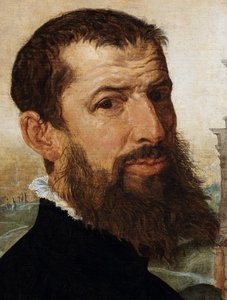
Maerten Van Heemskerck

Maerten Van Heemskerck

1498 - 1574 , Holland

Érdekességek

  • Artistic Movement Or Style: Manierizmus
  • Artists Who Influenced This Artist:
    • Jan van Scorel
    • Antonio da Sangallo az Fiatal
  • Date Of Birth: 1498. június 1.
  • Date Of Death: 1574. október 1.
  • Full Name: Maerten Jacobsz van Heemskerck
  • Nationality: Holland
  • Notable Artworks:
    • A halott Krisztus gyászolatos felidézése
    • Pieter Jan Foppeszoon és családja
    • Krisztus a Szomorúság Embereként
  • Place Of Birth: Heemskerk, Hollandia