Megtekintés AR előnézet Kézzel festett másolat rendelése Áttérés digitális képre Küldés
Részletek Útmutató Kedvencekhez ad Letöltés Hasonló darabok X-ray felvétel Diavetítés Q&A Statisztika

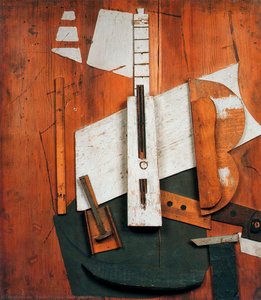
The Old Cremona

Méretek
41.0 x 31.0 cm

Discover 'The Old Cremona' by John Frederick Peto – a masterful Trompe-l’oeil still life mimicking Harnett. Explore its aged beauty, textural depth & nostalgic charm.

Ismerje meg John Frederick Petot (1854-1907), az amerikai trompe l'oeil mestert! Fedezze fel lenyűgöző pillanatképeit a mindennapi tárgyakról, a realizmus és az érzelmek újradiszkoverlte kincsét.

Giclée / Műnyomat

Múzeumi minőségű giclée vagy vászonnyomat, gyors gyártással és rugalmas finomítási lehetőségekkel. ( Kézzel festett másolat rendelése Áttérés digitális képre)

Corner sample of the P118B picture frame: formázott polisztirol, 5 cm wide and 3 cm thick
P118B Ft10
Corner sample of the P118H picture frame: formázott polisztirol, 5 cm wide and 3 cm thick
P118H Ft10
Corner sample of the P118W picture frame: formázott polisztirol, 5 cm wide and 3 cm thick
P118W Ft10
Corner sample of the P438Z picture frame: formázott polisztirol, 5.5 cm wide and 3.5 cm thick
P438Z Ft10
Corner sample of the P508JH picture frame: formázott polisztirol, 7 cm wide and 3.5 cm thick
P508JH Ft12
Corner sample of the P508YH picture frame: formázott polisztirol, 7 cm wide and 3.5 cm thick
P508YH Ft12
Corner sample of the P805H picture frame: formázott polisztirol, 5 cm wide and 3.5 cm thick
P805H Ft10
Corner sample of the P805Z picture frame: formázott polisztirol, 5 cm wide and 3.5 cm thick
P805Z Ft10
Corner sample of the P919BZ picture frame: formázott polisztirol, 7 cm wide and 3.5 cm thick
P919BZ Ft10
Corner sample of the P919G picture frame: formázott polisztirol, 7 cm wide and 3.5 cm thick
P919G Ft10
Corner sample of the P919XJ picture frame: formázott polisztirol, 7 cm wide and 3.5 cm thick
P919XJ Ft10
Corner sample of the P959ZH picture frame: formázott polisztirol, 5 cm wide and 3 cm thick
P959ZH Ft10
Corner sample of the P968JZ picture frame: formázott polisztirol, 6 cm wide and 4 cm thick
P968JZ Ft12
Corner sample of the W106C picture frame: tömörfa, 5 cm wide and 3 cm thick
W106C Ft8
Corner sample of the W218G picture frame: tömörfa, 5 cm wide and 3 cm thick
W218G Ft10
Corner sample of the W218JH picture frame: tömörfa, 5 cm wide and 3 cm thick
W218JH Ft8
Corner sample of the W218Y picture frame: tömörfa, 5 cm wide and 3 cm thick
W218Y Ft10
Corner sample of the W307PJ picture frame: tömörfa, 6 cm wide and 3 cm thick
W307PJ Ft10
Corner sample of the W316G picture frame: tömörfa, 6 cm wide and 3 cm thick
W316G Ft10
Corner sample of the W316PJ picture frame: tömörfa, 6 cm wide and 3 cm thick
W316PJ Ft8
Corner sample of the W316Y picture frame: tömörfa, 6 cm wide and 3 cm thick
W316Y Ft10
Corner sample of the W398PJ picture frame: tömörfa, 5 cm wide and 3 cm thick
W398PJ Ft8
Corner sample of the W4111J picture frame: tömörfa, 6.5 cm wide and 3.5 cm thick
W4111J Ft10
Corner sample of the W500HY picture frame: tömörfa, 7 cm wide and 5 cm thick
W500HY Ft15
Corner sample of the W500JH picture frame: tömörfa, 7 cm wide and 5 cm thick
W500JH Ft15
Corner sample of the W692G picture frame: tömörfa, 8 cm wide and 4 cm thick
W692G Ft12
Corner sample of the W849H picture frame: tömörfa, 5 cm wide and 3 cm thick
W849H Ft8
Corner sample of the W940BG picture frame: tömörfa, 7.5 cm wide and 4.5 cm thick
W940BG Ft15
Corner sample of the W953PJ picture frame: tömörfa, 6 cm wide and 3.5 cm thick
W953PJ Ft8

Standard méret
egyedi méretű
CM
INCH

Válasszon előre meghatározott méreteink közül, amelyek megfelelnek a műalkotás eredeti arányainak.

szélesség
magasság

Írja be a keretének vagy a falának megfelelő szélességet és magasságot. A nyomatot csak le lehet vágni, soha nem tehető nagyobbá, mint az eredeti kép, így egy eltérő alakú méretnél a kép egy része elveszik. Mielőtt bármit kinyatintanánk, küldünk egy digitális próbamodellt jóváhagyásra. Az oldalon látható kép nem tartalmazza a valós levágást — ezt csak a próbamodell mutatja meg.

Világszerte történő kiszállítás területére mindössze 2 hét alatt, a szokásos 4-5 hét helyett. (3 november)

Ingyenes globális expressz szállítás
Prémium minőségű len vászon
Teljes körű szállítási biztosítás
Vámvisszatérítési Garancia
Hiteles színarányosság garancia
100 napos visszaküldési lehetőség (csak hibás termékek esetén)
100% pénzvisszatérítési garancia
Több darab vásárlásakor kedvezmény

Összesített ár

Ft 22271

The Old Cremona

Giclée / Műnyomat

Reprodukció mérete

-

Összesített ár

Ft 22271

Gyors információk

  • Dimensions: 41 x 31 cm
  • Medium: Oil on Canvas
  • Notable elements or techniques: Trompe l'oeil, Textured Surface
  • Subject or theme: Musical Instruments
  • Artistic style: Decorative Pattern
  • Movement: American Impressionism

Művészeti kvíz

Minden kérdésre csak egy helyes válasz létezik.

Kérdés 1:
What artistic technique is prominently featured in ‘The Old Cremona’?
Kérdés 2:
Who is credited with inspiring Peto's compositional approach for this painting?
Kérdés 3:
What is the primary material used in creating the textured effect of ‘The Old Cremona’?
Kérdés 4:
The painting depicts a cello alongside sheet music and a tag reading 'VIOLIN'. What does this symbolism suggest?
Kérdés 5:
What is the dominant color palette used in ‘The Old Cremona’?

The Old Cremona: A Trompe l'oeil Echo of Harnett’s Genius

John Frederick Peto’s “The Old Cremona” stands as a testament to the enduring fascination with illusionistic painting and the influence of contemporary artistic trends. Painted in 1887, this seemingly simple still life—a cello resting against a weathered wooden door—holds within it layers of artistic deliberation and subtle stylistic nuances that elevate it beyond mere representation.

  • Artist’s Context: Peto's work emerged during the Victorian era, a period marked by burgeoning interest in realism alongside an appreciation for decorative arts. He was deeply connected to William Michael Harnett, whose groundbreaking trompe l'oeil technique – exemplified by “The Old Violin” – profoundly impacted artistic discourse and practice.
  • Composition & Technique: Peto deliberately eschewed traditional modeling techniques, opting instead for a flattened perspective that prioritized textural effect. This approach mirrors Harnett’s style, creating an image that feels more akin to a decorative pattern than a meticulously rendered depiction of reality. The loose brushwork contributes to an aged aesthetic, hinting at the passage of time and fostering a contemplative mood.
  • Symbolism & Material Culture: The cello itself serves as a potent symbol – representing musical heritage, artistry, and perhaps even nostalgia for bygone eras. Alongside it rests sheet music and a small tag bearing “VIOLIN,” reinforcing this thematic connection. The weathered wooden door embodies materiality and history, mirroring the broader Victorian preoccupation with documenting everyday life.
  • Lighting & Perspective: Dramatic lighting casts deep shadows that accentuate the cello’s contours and the door's surface, guiding the viewer’s gaze and enhancing the painting’s visual impact. Shallow perspective emphasizes the foreground elements while subtly suggesting depth through shading variations – a technique characteristic of Luminism.

A Dialogue with Harnett: Borrowed Form, Distinct Vision

Peto's decision to adapt Harnett’s compositional framework wasn’t merely an act of stylistic homage; it was a conscious effort to forge his own artistic voice. By prioritizing textural surface and decorative qualities over precise anatomical detail—a hallmark of Harnett’s oeuvre—Peto achieved a markedly different aesthetic experience. This divergence underscores the importance of considering artistic influences while recognizing individual creative expression.

Color Palette & Decorative Emphasis

The painting's color palette is dominated by earthy browns and reds, punctuated by flashes of gold and cream – hues that evoke warmth and richness. These colors are skillfully blended to create a harmonious visual tapestry, prioritizing decorative impact over photographic accuracy. The artist’s focus on surface texture—the grain of the wood, the sheen of the cello varnish—further reinforces this aesthetic sensibility.

Emotional Resonance & Artistic Legacy

"The Old Cremona" transcends its subject matter to convey a profound sense of solitude and quiet contemplation. It speaks to an appreciation for craftsmanship and invites viewers to engage in introspection – qualities that resonate deeply with the spirit of Victorian art. Peto’s rediscovery as a masterful trompe l'oeil artist represents a significant contribution to American painting history, securing his place among the foremost practitioners of illusionistic technique.

Kérdések és válaszok

Mely művész és mely stílus áll a "The Old Cremona" mögött?

John Frederick Peto a Trompe-l'oeil irányzatban alkototta meg a "The Old Cremona" című művét.

Hogyan találhatok olyan műalkotásokat, amelyek stílusában hasonlítanak a(z) „The Old Cremona”, John Frederick Peto alkotása alkotásra?

A "The Old Cremona" alkotással hasonló művek a festmény Hasonló alkotások oldalán találhatók.

Milyen típusú műalkotás „The Old Cremona”, John Frederick Peto alkotása?

A „The Old Cremona”, John Frederick Peto alkotása művészeti alkotás a WallArt kategóriába tartozik. Ez a besorolás határozza meg az eredeti alkotás típusát.


A művész életrajza

John Frederick Peto: Az amerikai trompe l'oeil újradiszkoverlhető mestere

  • Született: Philadelphia, Egyesült Államok (1854)
  • Hunyt: 1907

John Frederick Peto egy olyan amerikai művész volt, aki a trompe l'oeil festészet mesteri tudásáról vált híressé – ez az a technika, amely célja, hogy megtévesztse a nézőt, és arra bírja, hogy a festett tárgyakat valóságosnak érezze. Sok évig Peto munkássága nagyrészt feledve maradt, mígnem a 2mutató évszázad végén, egy másik trompe l'oeil mesterrel, William Harnettel együtt újragondolódott a művészettörténetben. Festményei egyedülálló kaput nyitnak a 19. század végi mindennapi életbe és az akkori anyagkultúrába.

Korai évek és művészeti képzés

  • Peto első művészeti képzését a Pennsylvania Academy of the Fine Arts intézményében szerezte, ahol William Harnettel együtt tanult.
  • Karrierje kezdeti szakaszában rendszeresen küldött alkotásokat a philadelphiai akadémia éves kiállításaira.
  • 1889-ben Peto az New Jersey állambeli Island Heights várokba költözött, ami egy olyan döntő pillanat volt, amely jelentősen meghatározta művészeti stílusát és témakörét.

Művészeti stílus és jellemzők

  • Trompe l'oeil technika: Peto legmeghatározóbb tulajdonsága a trompe l'oeil lenyűgöző készsége volt. Aprólékosan ábrázolta a hétköznapi tárgyakat – pisztolyokat, patakosokat, papírmaromokat, kulcsokat, könyveket –, létrehozva a háromdimenziós hatást egy kéthengerű felületen.
  • Sekély tér és kompozíció: Festményeiben ezeket az alkotásokat jellemzően egy sekély térben rendezte el, ami tovább fokozta a mélységérzetet és a realizmust.
  • Az árnyék és a textúra hangsúlyozása: Peto különös figyelmet fordított az árnyékjátékra és a textúrákra, ami még inkább növelte műveinek megtélegyelő jellegét. A fény és az árnyék finom gradációit használta, hogy hús-vérnek tűnő felületeket hozzon létre.
  • Színpaletta és technika: Érett alkotásait az opakt és poros textúra jellemzi, amelyet gyakran hasonlítanak Jean-Baptiste-Siméon Chardin neves 18. századi francia festőjéhez. Színhasználata általában visszafogott és földszínekre épülő volt, tükrözve az elöregedett tárgyak és kopott felületek tónusait.

Újjáradás és örökség

  • A feledett évek: Island Heights-ba költözése után Peto nagyrészt visszavonult a mainstream művészeti életből. Csendes életet élt, amelyet turisták számára készített festményekkel és helyi eseményeken zenéléssel tett kiegészítendő. Munkássága évtizedekre lényegében feledve maradt.
  • Halál utáni elismerés: Peto festményeinek a 20. század végén történt újradiszkoverlése megújuló figyelmet csalott talentumára. A tudósok elismerték egyedülálló hozzájárulását az amerikai művészethez.
  • Összehasonlítás Harnettel: Bár gyakran hasonlítják William Harnetthez, Peto stílusa általában inkább absztraktnak és érzelmileg tel愈ebbnek tekinthető, mint Harnett technikai szempontból brilláns, de néha merev megközelítése. Peto kompozíciói kevésbé formálisak, tárgyai pedig inkább régebbi és kopottabbak.
  • Múzeumok és gyűjtemények: Ma Peto festményei az Egyesült Államok számos neves múzeumában megtalálhatóak, beleértve a John F. Peto Studio Museumbot is, amely örökségének megőrzésének szentelte magát.

Jelentős alkotások

  • Take Your Choice (1885)
  • Job Lot Cheap (1901)
  • Still Life with Mug, Pipe and Book (1870)
  • Still Life with Oranges and Banana (kb. 1880)

További információ John Frederick Peto életéről és munkásságáról az WahooArt.com oldalon.

John Frederick Peto

John Frederick Peto

1854 - 1907 , Amerikai Egyesült Államok

Rövid információk

  • Artistic Movement Or Style: Trompe-l'oeil, Realizmus
  • Artists Who Influenced This Artist: ['Jean-Baptiste-Siméon Chardin']
  • Date Of Birth: 1854. máj. 21.
  • Date Of Death: 1907. nov. 23.
  • Full Name: John Frederick Peto
  • Nationality: amerikai
  • Notable Artworks:
    • Take Your Choice
    • Reminiscences of 1865
    • Job Lot Cheap
    • Still Life with Mug, Pipe and Book
    • Still Life with Oranges and Banana
  • Place Of Birth: Philadelphia, Egyesült Államok