Acrylic On CanvasWallArtTrompe-l'oeil
 1887
1887 41.0 x 31.0 cm
 Metropolitan Művészeti Múzeum
Kézzel festett olajvastú vászon, az Ön által választott méretben és keretben, művészeink készítik meglévőre. ( Nyomat rendelése Kép letöltése)





























Válasszon előre meghatározott méreteink közül, amelyek megfelelnek a műalkotás eredeti arányainak.

Ön megadhat saját méreteket egy adott kerethez vagy térhez igazításhoz. Ha a kiválasztott méret nem egyezik az eredeti kép arányával, akkor a műalkotást levágjuk, vagy további kézzel festett elemekkel meghosszabbítjuk a festményt. A gyártás megkezdése előtt küldünk Önnek egy digitális előnézetet jóváhagyásra.
Kérjük, vegye figyelembe, hogy a képernyőn megjelenő előnézet nem tükrözi a tényleges vágást vagy kiterjesztést. Csak az előnézet fog pontosan mutatni a végső kompozíciót.
Bár egyedi méretek állnak rendelkezésre, javasoljuk, hogy válasszon egy méretet az előre meghatározott listából az eredeti arányok megőrzése érdekében.
Világszerte elérhető szállítás () 3-4 hét alatt a szokásos 5 hét helyett. (7 szeptember). A minőség nem kérdőjelezhető.


The Old Cremona
Reprodukció mérete
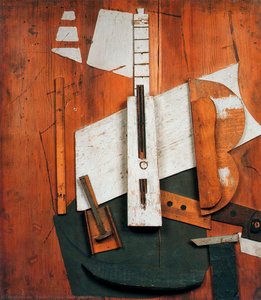
John Frederick Peto’s “The Old Cremona” stands as a testament to the enduring fascination with illusionistic painting and the influence of contemporary artistic trends. Painted in 1887, this seemingly simple still life—a cello resting against a weathered wooden door—holds within it layers of artistic deliberation and subtle stylistic nuances that elevate it beyond mere representation.
Peto's decision to adapt Harnett’s compositional framework wasn’t merely an act of stylistic homage; it was a conscious effort to forge his own artistic voice. By prioritizing textural surface and decorative qualities over precise anatomical detail—a hallmark of Harnett’s oeuvre—Peto achieved a markedly different aesthetic experience. This divergence underscores the importance of considering artistic influences while recognizing individual creative expression.
The painting's color palette is dominated by earthy browns and reds, punctuated by flashes of gold and cream – hues that evoke warmth and richness. These colors are skillfully blended to create a harmonious visual tapestry, prioritizing decorative impact over photographic accuracy. The artist’s focus on surface texture—the grain of the wood, the sheen of the cello varnish—further reinforces this aesthetic sensibility.
"The Old Cremona" transcends its subject matter to convey a profound sense of solitude and quiet contemplation. It speaks to an appreciation for craftsmanship and invites viewers to engage in introspection – qualities that resonate deeply with the spirit of Victorian art. Peto’s rediscovery as a masterful trompe l'oeil artist represents a significant contribution to American painting history, securing his place among the foremost practitioners of illusionistic technique.

John Frederick Peto egy olyan amerikai művész volt, aki a trompe l'oeil festészet mesteri tudásáról vált híressé – ez az a technika, amely célja, hogy megtévesztse a nézőt, és arra bírja, hogy a festett tárgyakat valóságosnak érezze. Sok évig Peto munkássága nagyrészt feledve maradt, mígnem a 2mutató évszázad végén, egy másik trompe l'oeil mesterrel, William Harnettel együtt újragondolódott a művészettörténetben. Festményei egyedülálló kaput nyitnak a 19. század végi mindennapi életbe és az akkori anyagkultúrába.
További információ John Frederick Peto életéről és munkásságáról az WahooArt.com oldalon.

1854 - 1907 , Amerikai Egyesült Államok

Explore the profound beauty of American Regionalism. Delve into the art history of Grant Wood and John Steuart Curry, uncovering how these masters captured the soul of the American Heartland through iconic landscapes and rural identity.

Explore the profound beauty of American art history. From the Hudson River School to iconic landscapes, discover a curated journey through the masterpieces that defined a nation's spirit and the enduring legacy of American Romanticism.

 Megtekintés
 Küldés
 Megosztás
 Részletek

 Letöltés
 Hasonló darabok
 X-ray felvétel
 Diavetítés
 Összes részlet megjelenítése







 Az üvegkeretes opció csak 110 cm alatti méretben érhető el