MegtekintésMegtekintés Műalkotás AR előnézeteMűalkotás AR előnézete Kézzel festett másolat rendelése Kézzel festett másolat rendeléseÁttérés digitális képre Áttérés digitális képre KüldésKüldés
RészletekRészletek Kedvencekhez ad Kedvencekhez ad LetöltésLetöltés Hasonló darabokHasonló darabok X-ray felvételX-ray felvétel DiavetítésDiavetítés StatisztikaStatisztika

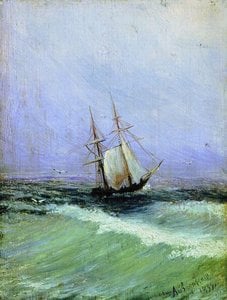
Sea 1

Experience Ivan Aivazovsky’s ‘Sea 1’! A dramatic Romantic seascape capturing ocean power & human resilience. Oil on canvas, evocative colors, and historical significance.

Aivazovsky: A nagyszerű tengerészettörték festője, aki a tenger lelkeinek ábrázolásával alkotott. Romantika, drámai kompozíciók és a természet csodálatos szélei jellemzik műveit.

Giclée / Műnyomat

Múzeumi minőségű giclée vagy vászonnyomat, gyors gyártással és rugalmas finomítási lehetőségekkel. (Kézzel festett másolat rendelése Kézzel festett másolat rendeléseÁttérés digitális képre Áttérés digitális képre)

P118B $10
P118H $10
P118W $10
P438Z $10
P508JH $12
P508YH $12
P805H $10
P805Z $10
P919BZ $10
P919G $10
P919XJ $10
P959ZH $10
P968JZ $12
W106C $8
W218G $10
W218JH $8
W218Y $10
W307PJ $10
W316G $10
W316PJ $8
W316Y $10
W398PJ $8
W4111J $10
W500HY $15
W500JH $15
W692G $12
W849H $8
W940BG $15
W953PJ $8

Standard méret
egyedi méretű
CM
INCH

Válasszon előre meghatározott méreteink közül, amelyek megfelelnek a műalkotás eredeti arányainak.

szélesség
magasság

Megadhat saját méreteket is egy konkrét kerethez vagy helyszínhez igazítva. Amennyiben a kiválasztott méret nem egyezik az eredeti kép arányokkal, a műalkotást le fogjuk vágni, vagy kiegészítjük a képet tükrözött vagy egyszínű szélekkel. A gyártás megkezdése előtt egy digitális tervezetet küldünk jóváhagyásra.
Kérjük, vegye figyelembe, hogy a képernyőn látható előnézet nem tükrözi a tényleges levágást vagy kiegészítést. Csak a tervezet mutatja pontosan a végső kompozíciót.
Bár az egyedi méretek is elérhetőek, az eredeti arányok megőrzése érdekében azt javasoljuk, hogy válasszon a előre meghatározott listából származó méretet.

Világszerte történő kiszállítás területére mindössze 2 hét alatt, a szokásos 4-5 hét helyett. (9 szeptember)

why_choose_icon
Ingyenes globális expressz szállítás
why_choose_icon
Prémium minőségű len vászon
why_choose_icon
Teljes körű szállítási biztosítás
why_choose_icon
Vámvisszatérítési Garancia
why_choose_icon
Hiteles színpontosság garancia
why_choose_icon
100 napos visszaküldési lehetőség (csak hibás termékek esetén)
why_choose_icon
100% pénzvisszatérítési garancia
why_choose_icon
Több darab vásárlása esetén kedvezmény

Összesített ár

$ 68

reproduction

Sea 1

Giclée / Műnyomat

Reprodukció mérete

-

Összesített ár

$ 68

Gyors információk

  • movement: Romanticism
  • subject: Seascape, maritime scene
  • medium: Oil on canvas
  • notable_elements: Rugged coastline, turbulent sea, solitary ship, swirling clouds
  • style: Romantic-inspired, atmospheric seascape
  • influences: Power of nature, sublime landscape

Művészeti kvíz

Minden kérdésre csak egy helyes válasz létezik.

Kérdés 1:
What is the primary subject depicted in 'Sea 1'?
Kérdés 2:
Which artistic movement best describes 'Sea 1'?
Kérdés 3:
What technique is most likely used in creating 'Sea 1'?
Kérdés 4:
What mood does 'Sea 1' evoke through its color palette and composition?
Kérdés 5:
Which element in 'Sea 1' emphasizes the power of nature?

Subject and Composition

This evocative seascape captures the raw power and sublime beauty of the ocean at a pivotal moment—either dawn or dusk—where sky and sea merge in a symphony of color and movement. The rugged coastline on the left anchors the scene, with steep, jagged cliffs that plunge into turbulent waters below. A solitary ship, tilted and battling the relentless waves, adds a poignant human element, symbolizing resilience and the enduring spirit of exploration amidst nature’s formidable forces. The composition invites viewers to contemplate the vastness of the sea and the vulnerability of human endeavors against its unpredictable might.

Style and Technique

Rooted in the Romantic tradition, this painting emphasizes emotional intensity and the awe-inspiring power of nature. The artist employs loose, expressive brushwork to evoke movement and atmosphere, with sweeping strokes that animate the clouds and waves. The textured application of oil paints creates a rich, tactile surface—rough cliffs contrasted with the fluidity of the water—enhancing the sense of depth and dynamism. The diffuse, soft lighting, combined with a muted yet warm color palette of pinks, oranges, deep blues, and grays, captures the transient effects of light and weather, immersing viewers in a fleeting moment of natural grandeur.

Historical Context and Artistic Significance

Emerging during the Romantic era, this work exemplifies the period’s fascination with the sublime—the awe-inspiring and sometimes terrifying aspects of nature. Artists of this movement sought to evoke emotional responses and highlight the power of the natural world over human life. While the artist’s exact date remains unknown, the style aligns with the 19th-century Romantic landscape tradition, emphasizing mood, atmosphere, and the spiritual connection between humanity and nature. This painting stands as a testament to the artist’s mastery in capturing the ephemeral qualities of light and weather, contributing to the rich legacy of maritime art.

Symbolism and Emotional Impact

The turbulent sea and stormy sky symbolize the unpredictable forces of nature and the human condition—struggles, resilience, and hope. The solitary ship, battling the waves, embodies the voyage of life, resilience in adversity, and the quest for discovery. The contrasting warm hues in the sky reflect a fleeting moment of beauty amid chaos, evoking feelings of awe, contemplation, and introspection. This artwork invites viewers to reflect on their own journeys, inspiring a sense of resilience and reverence for the natural world’s sublime grandeur.

Perfect for Collection and Interior Design

Ideal for art collectors, interior designers, and lovers of Romanticism, this high-quality reproduction offers a striking focal point for any space. Its dramatic composition and emotional depth make it suitable for a variety of settings—from sophisticated living rooms and offices to galleries and public spaces. The timeless appeal of the seascape’s powerful imagery and masterful technique ensures it will remain a captivating centerpiece, inspiring awe and reflection for generations to come.

A művész életrajza

A Life Embraced by the Waves

Ivan Konstantinovich Aivazovsky, born Hovhannes Aivazian in 1817, was more than a painter of seascapes; he was a conduit to the ocean’s soul. His very existence seemed inextricably linked to the Black Sea—a vast, unpredictable expanse that would forever dominate his artistic vision and fuel an extraordinary career spanning nearly six decades. Born in the Crimean port city of Feodosia, Aivazovsky didn't merely observe the sea; he felt it – its raw energy, sublime beauty, and inherent danger becoming the very essence of his art. From a young age, this connection was nurtured, initially by local architect Jacob Koch who recognized the boy’s talent, then blossoming within the rigorous academic environment of the Imperial Academy of Arts in Saint Petersburg. Yet, formal training alone couldn't account for the depth of Aivazovsky’s understanding; it was the constant presence of salt-laced air and the cries of gulls that truly shaped his artistic sensibility. His Armenian heritage also played a significant role, as he was baptized at the St. Sargis Armenian Church in Feodosia and maintained strong cultural ties throughout his life, occasionally incorporating Armenian themes into his expansive body of work.

The Early Years and Artistic Foundations

Aivazovsky’s early years were steeped in the atmosphere of Feodosia, a vibrant port city with deep historical roots. His family's origins traced back to Western Armenia, and this heritage instilled within him a profound connection to the land and sea—a connection that would profoundly influence his artistic vision. The Crimean landscape, with its rugged coastline, dramatic cliffs, and ever-changing moods of the Black Sea, served as his initial inspiration. He began sketching and painting locally, honing his skills under the guidance of Jacob Koch, a local architect who recognized Aivazovsky’s exceptional talent. This early exposure to the natural world laid the foundation for his later mastery of capturing its beauty and power. His enrollment at the Imperial Academy of Arts in Saint Petersburg provided him with formal training in classical techniques, but it was his continued immersion in the maritime environment—visiting ships, observing naval maneuvers, and absorbing the stories of sailors—that truly shaped his artistic development. The rigorous academic setting complemented his practical experience, providing him with a solid grounding in composition, color theory, and perspective.

A Journey Through Europe and the Rise to Prominence

In the early 1840s, Aivazovsky embarked on a transformative journey through Europe, seeking new artistic influences and broadening his horizons. Italy proved particularly formative, immersing him in the vibrant landscapes of the Mediterranean and exposing him to the techniques of artists like J.M.W. Turner, whose dynamic brushwork and atmospheric effects deeply resonated with Aivazovsky’s own evolving style. He spent time studying the works of the Old Masters, absorbing their compositional principles and color palettes. Upon his return to Russia, a pivotal moment arrived: his appointment as the main painter of the Russian Navy. This wasn't merely a prestigious title; it was access—access to ships, sailors, naval battles, and firsthand observation that profoundly influenced his work. He became intimately acquainted with maritime life, lending an authenticity to his depictions that resonated deeply with both military officials and art enthusiasts alike. The patronage of the Imperial Court provided him with financial security and recognition, allowing him to dedicate himself fully to his artistic pursuits.

Mastering the Marine Canvas: Style and Technique

Aivazovsky’s paintings are instantly recognizable for their romantic sensibility and technical brilliance. He possessed an extraordinary ability to capture not just the visual spectacle of the sea—its shimmering light, turbulent waves, and dramatic skies—but also its very essence—its moods, its power, and its mystery. His technique was characterized by a remarkable sensitivity to color, using thin layers of paint to create luminous textures and atmospheric effects. He often worked en plein air, directly from nature, capturing fleeting light effects with astonishing accuracy. His compositions were dynamic and dramatic, frequently employing diagonal lines and contrasting colors to convey a sense of movement and energy. Aivazovsky’s most celebrated works—such as *The Ninth Wave* (1850), *Capture of the Schamylata* (1848) and *Battle of Kinburn* (1843)—are testaments to his mastery of depicting naval battles, capturing the chaos and drama of these events with remarkable realism. He wasn’t afraid to depict destruction—the splintered wreckage of ships, the desperate struggles of sailors—but even within these scenes, there was always an underlying sense of beauty and awe.

Legacy and Enduring Influence

Ivan Konstantinovich Aivazovsky stands as one of the greatest masters of marine art in Russian history—a legacy cemented by his technical skill, emotional depth, and prolific output. His paintings are celebrated not only for their aesthetic beauty but also for their ability to evoke powerful emotions and capture the essence of the sea. He significantly contributed to the development of Russian landscape painting, influencing generations of artists with his innovative techniques and dramatic compositions. Aivazovsky’s work continues to resonate with audiences worldwide, exhibited in museums and galleries across the globe. His paintings are a testament to the enduring power of nature and the human spirit—a reminder of our vulnerability in the face of the elements and our capacity for resilience and hope. He wasn't simply a painter of seascapes; he was a poet of the ocean, translating its moods, mysteries, and majesty onto canvas with unparalleled skill and passion.

Ivan Aivazovsky

Ivan Aivazovsky

1817 - 1900 , Oroszország

A művészről röviden

  • Artistic Movement Or Style: Romantika, tengerészeti művészet
  • Artists Or Movements Influenced By This Artist: ['Orosz tájképfestés']
  • Artists Who Influenced This Artist:
    • Turner
    • Shchedrin
  • Date Of Birth: 1817.07.29
  • Date Of Death: 1900.05.05
  • Full Name: Ivan Konstantinovich Aivazovsky
  • Nationality: Orosz-örményi
  • Notable Artworks:
    • A kilencedik hullám
    • Tengerben úszó hajó
  • Place Of Birth: Feodosia, Oroszország
Fedezze fel a műalkotásokat témák, stílusok és jellemzők szerint csoportosítva.