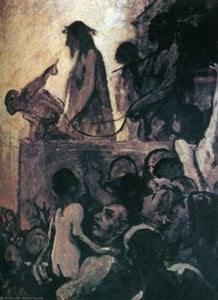
Kézzel festett olajvastú vászon, az Ön által választott méretben és keretben, művészeink készítik meglévőre. ( Nyomat rendelése Kép letöltése)





























Válasszon előre meghatározott méreteink közül, amelyek megfelelnek a műalkotás eredeti arányainak.

Ön megadhat saját méreteket egy adott kerethez vagy térhez igazításhoz. Ha a kiválasztott méret nem egyezik az eredeti kép arányával, akkor a műalkotást levágjuk, vagy további kézzel festett elemekkel meghosszabbítjuk a festményt. A gyártás megkezdése előtt küldünk Önnek egy digitális előnézetet jóváhagyásra.
Kérjük, vegye figyelembe, hogy a képernyőn megjelenő előnézet nem tükrözi a tényleges vágást vagy kiterjesztést. Csak az előnézet fog pontosan mutatni a végső kompozíciót.
Bár egyedi méretek állnak rendelkezésre, javasoljuk, hogy válasszon egy méretet az előre meghatározott listából az eredeti arányok megőrzése érdekében.
Világszerte elérhető szállítás () 3-4 hét alatt a szokásos 5 hét helyett. (7 szeptember). A minőség nem kérdőjelezhető.


The Defender
Reprodukció mérete
Honoré Daumier's "The Defender," created around 1865, stands as a cornerstone of Realist art—a genre dedicated to portraying life truthfully without romantic embellishment. More than just a depiction of a courtroom scene, this watercolor captures the palpable tension and psychological complexity inherent in legal proceedings, cementing Daumier’s reputation as a keen observer of human behavior and a fearless critic of societal injustices.
The artwork's horizontal orientation emphasizes stability while simultaneously drawing the viewer’s eye into the central figures—a lawyer passionately gesturing with his arm and a woman radiating apprehension. Daumier skillfully employs expressive lines to sculpt form, particularly in the lawyer’s hand and forearm, conveying urgency and conviction. Hatching and cross-hatching techniques are meticulously applied throughout the composition, generating texture and shading that imbue the scene with depth and atmosphere. The muted color palette—primarily browns, grays, beige, and black—serves to heighten the drama, mirroring the solemnity of the courtroom setting.
Daumier’s work emerged during a period of significant social upheaval in France – the Second Empire. He was deeply invested in documenting the realities of everyday life and exposing hypocrisy within the political elite. “The Defender” isn't merely a visual record; it’s a deliberate commentary on the legal system, questioning its impartiality and highlighting the vulnerability of those facing judgment. Daumier’s artistic choices reflect his commitment to portraying human emotion with unflinching honesty.
The woman's posture—hunched shoulders, averted gaze—symbolizes anxiety and fear – emotions powerfully conveyed by Daumier through subtle shading and expressive lines. Conversely, the lawyer’s forceful gesture embodies advocacy and determination. The blurred background crowd represents the impersonal nature of justice, emphasizing the individual’s confrontation with a larger societal force. These symbolic elements elevate “The Defender” beyond a simple courtroom sketch, transforming it into an exploration of human psychology and social critique.
"The Defender" resonates profoundly with viewers due to Daumier's masterful ability to capture the emotional core of his subject matter. The subdued color palette and meticulous linework contribute to a sense of melancholy and contemplation, prompting reflection on themes of vulnerability, courage, and the pursuit of truth. It’s a testament to Daumier’s enduring legacy as an artist who dared to confront uncomfortable realities with unwavering artistic integrity.


1808 - 1879 , Franciaország

Master the nuances of Giclée printing with our expert guide. Discover how pigment-based inks and museum-grade substrates create fade-resistant, high-fidelity art reproductions designed for discerning collectors seeking unparalleled quality and longevity.
Transform your digital artistry into a prestigious global brand with WahooArt’s premium Giclée prints. Experience museum-quality archival excellence and seamless on-demand fulfillment designed for the modern creative entrepreneur seeking to build a lasting artistic legacy.

 Megtekintés
 Küldés
 Megosztás
 Részletek

 Letöltés
 Hasonló darabok
 X-ray felvétel
 Diavetítés


 Összes részlet megjelenítése







 Az üvegkeretes opció csak 110 cm alatti méretben érhető el