Vásároljon nagy felbontású, javított digitális képet, amely minőségében messze felülmúlja az online előnézetet.
Minden fájlt szakembereink a legmodernebb eszközök és precíz, kézi retusálás segítségével készítenek el aprólékosan. Gondoskodunk arról, hogy minden kép kivételes tisztasággal, pontos színhelyességgel és részletgazdag finomsággal rendelkezzen.
A végleges fájl 72 órán belül e-mailben megérkezik, professzionális, szerkesztői és nyomtatási környezetbe optimalizálva az azonnali használathoz. Ez ugyanaz a minőség, amelyben a legmeghatározóbb tervezőstúdiók, kiadók és galériák is megbízhatnak.
Töltsön le nagy felbontású fájlt személyes kiállításokhoz, nyomtatáshoz és kreatív projektekhez. ( Nyomat rendelése Kézzel festett másolat rendelése)
Amikor a WahooArt.com szolgáltatást választja, nem csupán egy képet kap – professzionálisan felmagasított digitális műalkotást kap, amely precizitással készült, és amelyet megelégsedési gwarancia tesz biztoslássá. Az alábbiakban automatikusan minden benne 】

A nagy felbontású digitális képmásolatát a megrendelést követő 72 órán belül e-mailben elküldjük Önnek – azonnal használható formátumban.

Műve professzionális módon kerül optimalizálásra fejlett mesterséges intelligencia eszközök és manuális szerkesztés segítségével, biztosítva a maximális részletességet, tisztaságot és színpontosságot.

Véletlenül törölted vagy elvesztetted a fájlodat? Ne aggódj – bármikor ingyen újra megküldjük neked.

Élvezze műalkotásait azonnal, vám, illeték vagy szállítási költség nélkül – a digitális letöltések mindig adamentesek.

Professzionális eszközök és színkezelés segítségével garantáljuk, hogy digitális képe a lehető legpontosabban tükrözze az eredeti színeket.

Ha nemມີ elégedett a digitális képével, 100 napon belül felülvizsgáljuk vagy 100% visszatérítjük az amountot – kérdés बिना.

Nem tetszett a vásárlás? 100 napon belül teljes visszatérítést garantálunk a digitális fájl megvételétől számítva – kérdés बिना.

Vásároljon 3 képet, spóroljon 10%-et - Vásároljon 5-öt, spóroljon 15%-et - Vásároljon 10+ képet, spóroljon 20%-at. Kiváló kreatív projektekhez, galériákhoz és ügynökségekhez.
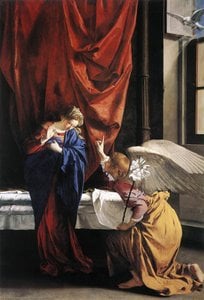
Franz Anton Maulbertsch’s “L’Annonciation,” a captivating study for a grand fresco, offers a glimpse into the vibrant Rococo world of 18th-century Austria. Completed around 1755, this work transcends mere religious depiction; it's a masterful exploration of light, emotion, and the profound significance of a pivotal moment in Christian belief. The painting, currently residing within the esteemed collections of the Louvre Museum, invites viewers into a scene brimming with grace, drama, and an almost palpable sense of divine presence.
Maulbertsch, born in Langenargen in 1724, skillfully bridged the gap between the dramatic intensity of the late Baroque and the burgeoning elegance of the Rococo. Influenced by giants like Paul Troger and the Venetian masters – particularly Piazzetta and Giovanni Battista Pittoni – he developed a distinctive style characterized by rich color palettes, dynamic compositions, and an expressive use of light and shadow. His training in Vienna provided him with a solid foundation, but it was his independent study and experimentation that truly shaped his artistic voice, allowing him to synthesize diverse influences into a uniquely personal vision.
The composition immediately draws the eye upwards towards the Archangel Gabriel, descending from the heavens in a gesture of profound respect. Maulbertsch employs a masterful chiaroscuro technique – a dramatic contrast between light and dark – to heighten the emotional impact of the scene. A radiant light source illuminates Mary’s face and the figures of Gabriel and the cherubs, casting much of the background into deep shadow. This strategic use of light not only creates depth but also emphasizes the sacredness of the event, evoking a sense of mystery and awe.
The color palette is predominantly warm, dominated by rich browns, golds, and reds, accented with touches of blue and white. Mary’s robes are rendered in deep blues, symbolizing her purity and royal status, while Gabriel's garments shimmer with gold and white, reflecting his divine nature. The muted background, a dark brown, serves to further accentuate the brilliance of the figures and create a sense of spatial recession. The artist’s meticulous layering of glazes – a hallmark of oil painting technique – contributes to the work’s luminous quality and remarkable depth.
“L'Annonciation” is, at its core, a depiction of the Annunciation, the moment when the Archangel Gabriel informs Mary that she will conceive and bear the son of God. Beyond the literal narrative, however, the painting is rich in symbolism. The dove, frequently associated with the Holy Spirit, appears between Mary and Gabriel, signifying divine grace and the promise of salvation. Mary’s posture – a mixture of surprise and contemplative acceptance – perfectly captures the gravity of the message she receives. The cherubs surrounding Gabriel further emphasize the heavenly context of this momentous event.
The painting exemplifies the key characteristics of Rococo art: its emphasis on elegance, grace, and emotional expression. Maulbertsch’s skillful use of curvilinear lines, dynamic composition, and vibrant color palette creates a visually stunning work that is both intellectually stimulating and emotionally resonant. “L'Annonciation” stands as a testament to the artist’s mastery of technique and his ability to capture the essence of a profound religious narrative within a framework of exquisite beauty. It remains a captivating example of Rococo art, offering viewers a glimpse into the artistic sensibilities of 18th-century Austria.


1724 - 1796 , Németország

 Megtekintés
 Küldés
 Megosztás
 Részletek

 Letöltés
 Hasonló darabok
 X-ray felvétel
 Diavetítés

 Összes részlet megjelenítése