MegtekintésMegtekintés Műalkotás AR előnézeteMűalkotás AR előnézete Kézzel festett másolat rendelése Kézzel festett másolat rendeléseKép letöltése Kép letöltése KüldésKüldés
RészletekRészletek Kedvencekhez ad Kedvencekhez ad LetöltésLetöltés Hasonló darabokHasonló darabok X-ray felvételX-ray felvétel DiavetítésDiavetítés

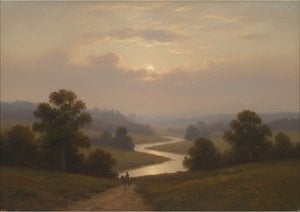
The Tempest

Explore Albert Pinkham Ryder's evocative masterpiece 'The Tempest,' depicting a dramatic storm scene inspired by Shakespeare and showcasing his signature tonalist style at the Detroit Institute of Arts.

Albert Pinkham Ryder egy látványos amerikai festő volt, aki ikonikus tájképeivel és szimbolizmusával ismertetődött. Fedezd fel a Tonalist művészet jellegzetes vonásait és értsd meg az ő nagy alkotásainak jelentését!

Giclée / Műnyomat

Múzeumi minőségű giclée vagy vászonnyomat, gyors gyártással és rugalmas finomítási lehetőségekkel. (Kézzel festett másolat rendelése Kézzel festett másolat rendeléseKép letöltése Kép letöltése)

P118B $10
P118H $10
P118W $10
P438Z $10
P508JH $12
P508YH $12
P805H $10
P805Z $10
P919BZ $10
P919G $10
P919XJ $10
P959ZH $10
P968JZ $12
W106C $8
W218G $10
W218JH $8
W218Y $10
W307PJ $10
W316G $10
W316PJ $8
W316Y $10
W398PJ $8
W4111J $10
W500HY $15
W500JH $15
W692G $12
W849H $8
W940BG $15
W953PJ $8

Standard méret
egyedi méretű
CM
INCH

Válasszon előre meghatározott méreteink közül, amelyek megfelelnek a műalkotás eredeti arányainak.

szélesség
magasság

Megadhat saját méreteket is egy konkrét kerethez vagy helyszínhez igazítva. Amennyiben a kiválasztott méret nem egyezik az eredeti kép arányokkal, a műalkotást le fogjuk vágni, vagy kiegészítjük a képet tükrözött vagy egyszínű szélekkel. A gyártás megkezdése előtt egy digitális tervezetet küldünk jóváhagyásra.
Kérjük, vegye figyelembe, hogy a képernyőn látható előnézet nem tükrözi a tényleges levágást vagy kiegészítést. Csak a tervezet mutatja pontosan a végső kompozíciót.
Bár az egyedi méretek is elérhetőek, az eredeti arányok megőrzése érdekében azt javasoljuk, hogy válasszon a előre meghatározott listából származó méretet.

Világszerte történő kiszállítás területére mindössze 2 hét alatt, a szokásos 4-5 hét helyett. (6 szeptember)

why_choose_icon
Ingyenes globális expressz szállítás
why_choose_icon
Prémium minőségű len vászon
why_choose_icon
Teljes körű szállítási biztosítás
why_choose_icon
Vámvisszatérítési Garancia
why_choose_icon
Hiteles színpontosság garancia
why_choose_icon
100 napos visszaküldési lehetőség (csak hibás termékek esetén)
why_choose_icon
100% pénzvisszatérítési garancia
why_choose_icon
Több darab vásárlása esetén kedvezmény

Összesített ár

$ 68

reproduction

The Tempest

Giclée / Műnyomat

Reprodukció mérete

-

Összesített ár

$ 68

Gyors információk

  • Artistic style: Dreamlike, melancholic
  • Artist: Albert Pinkham Ryder
  • Location: Detroit Institute of the Arts
  • Medium: Oil on canvas
  • Notable elements or techniques: Bold brushstrokes; light and shadow
  • Title: The Tempest

Művészeti kvíz

Minden kérdésre csak egy helyes válasz létezik.

Kérdés 1:
In what year was Albert Pinkham Ryder's painting 'The Tempest' created?
Kérdés 2:
What is a defining characteristic of Albert Pinkham Ryder's painting style, as mentioned in the description?
Kérdés 3:
What natural element heavily contributes to the dramatic atmosphere depicted in 'The Tempest'?
Kérdés 4:
What object are the two main figures in 'The Tempest' holding to provide light?
Kérdés 5:
Where is the painting 'The Tempest' housed, according to the provided information?
The painting The Tempest by Albert Pinkham Ryder is a captivating work of art that showcases the artist's unique style and contribution to the American art movement. Created in 1892, this oil on canvas piece is housed at the Detroit Institute of the Arts in Detroit, United States.

Artist Background

Albert Pinkham Ryder was an American artist known for his dreamlike and often melancholic paintings. His style is characterized by the use of bold colors and loose brushstrokes, which gives his works a sense of movement and energy. Ryder's paintings often depicted landscapes, seascapes, and figurative scenes, showcasing his ability to capture the beauty of the natural world.

The Painting's Composition

The painting The Tempest depicts a dramatic scene of two people standing on a rocky hillside during a storm. The man appears to be pointing towards the sky while the woman stands beside him, both holding lanterns in their hands. The use of light and shadow creates a sense of depth and atmosphere, drawing the viewer into the scene. The brushstrokes are bold and expressive, giving the painting a sense of movement and energy.
  • The painting's composition is characterized by the use of contrasting colors and bold brushstrokes, which creates a sense of tension and drama.
  • The scene is set against a backdrop of a stormy sky, with the wind and rain adding to the sense of turmoil.
  • The figures in the painting are faceless, which adds to the sense of mystery and universality.
For more information on Albert Pinkham Ryder and his works, visit https://WahooArt.com. To learn more about the Detroit Institute of the Arts, visit their website or check out /art/list/?Filter=8YE4QC-Albert-Pinkham-Ryder-The-Tempest.
You can also find more information on Albert Pinkham Ryder on Wikipedia.

A művész életrajza

Early Life and Artistic Beginnings

Albert Pinkham Ryder, born March 19, 1847, in New Bedford, Massachusetts, remains a somewhat enigmatic figure in American art history. Details of his childhood are scarce, shrouded in the mists that would later become so characteristic of his paintings. However, it is known that he began to explore his artistic inclinations early on, capturing the landscapes of his native New Bedford with nascent skill. This coastal upbringing, steeped in the atmosphere of a bustling whaling port, undoubtedly left an indelible mark on his imagination and would resurface throughout his career as a recurring source of inspiration. In the late 1860s, Ryder’s family relocated to New York City, where his brother managed the renowned Hotel Albert in Greenwich Village. This move placed young Albert within a vibrant cultural milieu, offering opportunities for artistic development and exposure to new ideas. While assisting with family responsibilities, he continued to pursue his passion for painting, laying the groundwork for his future artistic journey.

Formal Training and European Influences

Ryder’s formal art education began with studies under William Edgar Marshall in New York City. He then enrolled at the National Academy of Design, attending between 1870 and 1875, where he exhibited his first work in 1873 and forged a lifelong friendship with fellow artist Julian Alden Weir. These formative years provided him with a solid foundation in traditional techniques and introduced him to the established art world. However, Ryder’s artistic vision extended beyond conventional academic training. Between 1877 and 1903, he embarked on four journeys to Europe, immersing himself in the artistic currents of the Old World. He was particularly drawn to the French Barbizon school, with its emphasis on naturalism and plein air painting, and the Dutch Hague School, known for its atmospheric landscapes and muted color palettes. These influences profoundly shaped his aesthetic sensibilities, contributing to the development of his unique style.

A Unique Artistic Vision: Style and Themes

Albert Pinkham Ryder’s artistic signature is instantly recognizable—a captivating blend of Symbolism, Tonalism, and a deeply personal vision. His paintings are not mere representations of reality but rather evocative interpretations of nature infused with mood, mystery, and spiritual resonance. He favored broad, often ill-defined shapes and stylized figures set within dreamlike landscapes or seascapes, creating an atmosphere that is both ethereal and haunting. Light plays a crucial role in Ryder’s work. His scenes are frequently illuminated by dim sunlight filtering through eerie clouds or the soft glow of moonlight, casting long shadows and enhancing the sense of drama and introspection. He masterfully manipulated color to create subtle variations and atmospheric effects, often employing a limited palette to achieve maximum emotional impact. Notable works such as Misty Moonlight, inspired by his childhood memories of coastal New Bedford, exemplify Ryder’s ability to transform personal experiences into universal expressions of longing and contemplation. Other significant paintings, like Siegfried & The Rhine Maidens, demonstrate his fascination with mythology and symbolism.

Later Years and Lasting Legacy

After 1900, Ryder's creative output diminished significantly. He became increasingly reclusive, spending much of his time reworking existing paintings in a relentless pursuit of perfection. Despite this decline in productivity, his earlier works continued to garner attention and admiration. Ryder passed away on March 28, 1917, leaving behind a body of work that continues to captivate audiences today. A memorial exhibition held at the Metropolitan Museum of Art in New York in 1918 solidified his reputation as a major figure in American art. Ryder’s influence extends far beyond his immediate contemporaries. His emphasis on form, color, and emotional expression paved the way for later generations of artists, including Jackson Pollock, who acknowledged Ryder as a significant precursor to Abstract Expressionism. He remains celebrated as a pioneer of American Tonalism and Symbolism, an artist whose mystical paintings continue to inspire awe and wonder.
Albert Pinkham Ryder

Albert Pinkham Ryder

1847 - 1917 , Egyesült Államok

A művészről röviden

  • Artistic Movement Or Style: Tonalizmus és Szimbolizmus
  • Artists Or Movements Influenced By This Artist: ['Jackson Pollock']
  • Artists Who Influenced This Artist:
    • Barbizon Schule
    • Hague Schule
  • Date Of Birth: March 19, 1847
  • Date Of Death: March 28, 1917
  • Full Name: Albert Pinkham Ryder
  • Nationality: Amerikai
  • Notable Artworks:
    • Misty Moonlight
    • A verseny pálya
    • Siegfried & Rhine Maidens
  • Place Of Birth: New Bedford, USA
Fedezze fel a műalkotásokat témák, stílusok és jellemzők szerint csoportosítva.