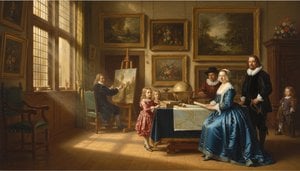
Árnyék Rembrandt fényében: Willem Drost rejtélyes világa
Willem Drost a holland aranykor festőinek ünnepelt csillagrendjének egyik legrejtélyesebb alakja marad. 1633-ban született Amsterdamban, és tragikus módon, mindössze huszonhat évesen, 1659-ben halt meg; művészeti terméksége bár kicsi, egyre inkább elismerik minőségét és jelentőségét. Századokig Drost nagyrészt mestere, Rembrandt van Rijn árnyékában élt, számos alkotását pedig tévesen a híresebb festő nevére tulajdonították. A kortudomány azonban felismerte Drost egyedi tehetségét, és önálló, lenyűgöző művészként állította fel őt – olyan festőként, akinek munkássága lenyűgöző lencsevágást kínál a művészettörténet ezen döntő időszakában a művészi taníttsági viszonyok és az alkotások tulajdonításának dinamikájára nézve. Willem Drost története nem csupán az újrafelfedezésről szól; ez egy tanúság a művészeti hatás, az egyéni stílus és a történelmi feljegyzések gyakran törékeny jellegének összetettségéről.Formálódó évek és taníttság Rembrandt mellett
Drost korai életét körülvekező részletek ritkák, e korszak művészeihez jellemző tipikus misztikumokba burkolózva. Amit tudunk, az elsősorban a Rembrandttal való kapcsolatára összpontosul. Körülbelül 1650 körül belépett Rembrandt műtermébe, elkötelezett tanítvánnyá vált, magábaan pedig befogadta a mester technikáit és művészeti érzékét. Ez a időszak mély hatással volt Drostra, nemcsak technikai képességeit formálta, hanem kedvenc témaválasztását is meghatározta. Felvette magát a történelmi festészet, a bibliai narratívák, az egy magányos alakok belső felépítésének tanulmányozásába és a portrék készítésébe – mindezek a Rembrandt bőséges életművének jellegzetességei voltak. Azonban már ezekben az early művekben is megjelennek Drost egyedi hangjának jelei. Például az 1654-es „Bathsheba” (Bathsheba) értelmezése, amelyet még Rembrandt tanítása alatt készített, egyértelműen eltérő megközelítést mutat be ugyanazon a témán, amelyet mestere is felfedezett. Mindkét festmény ma a Louvre múzeum collections részeként található, izgalmas párhuzamot kínálva két olyan művész között, akik ugyanazon a közös témán dolgoztak, de egyéni látásmódjukon keresztül fejezték ki azt. Drost Bathsheba-ja bizonyos hidegséget és visszafogottságot sugároz, ami megkülönbözteti Rembrandt érzelmileg tel愈ebb ábrázolásától.Olaszországi tartózkodás és együttműködő vállalkozások
1655 körül Drost egy olyan utazásra indult, amely Olaszországba vitte őt – ez a célpont gyakran keresett volt a holland festők számára, akik további képzést és különböző művészeti hagyományok ismeretét keresték. Rómában kapcsolatokat alakított ki kortárs festőkkel, köztük Karel Lottal és Joan van der Meerrel, utóbbi egy utrecht-i gazdag művészetmecénással volt, aki korábban már széles körben utazott Olaszországban. A történelmi beszámolók szerint Drost együttműködött Johann Carl Lothtal egy vénai sorozatban, amely a négy evangélistát ábrázolta, bár ezek a művek sajnos elvesztek az idő során. Az olaszországi időszak úgy tűnik, szélesítette művészeti horizontját és finoman befolyásolta stílusát, új elemeket vezetve be kompozícióiba. Azonban életének e szakaszából származó dokumentáció korlátozott, így nehéz teljes mértékben felmérni az olasz hatás terjedelmét fejlődésében. Végül Amsterdamba tért vissza, mielőtt végleg Venedekben letelepedett, ahol 1659-ben idő előtt hunyt el.A felismerés és a újratagolás hosszú útja
Évtizedekig számos festményet magabiztosan Rembrandtnak tulajdonítottak stilisztikai hasonlóságok alapján – ami művészeti tekintélyének mély hatását igazolta. Azonban ahogy a művészettörténeti kutatás haladt előre, különösen a Rembrandt Research Project aprólék munkáján keresztül, kritikus felülvizsgálat kezdődött meg. Ez a projekt rendszeresen vizsgálta a korábban Rembrandtnak tulajdonított számtalan alkotást, ami fokozatos, de jelentős újratagolási folyamathoz vezetett. Drost ezen a tudományos váltás központi alakjává vált. Olyan festmények, mint a „Portré egy fiatalemberről lovas둔” – amely híresen „A lengyel lovas” néven ismert – és a „Portré egy fiatal nőről könyppel a kezében”, amelyek egykor Rembrandtra vallott mesterművek voltak, ma egyre inkább Drost alkotásaiként ismertek fel. A „Lengyel lovas” tulajdonítása továbbra is vitatott a tudósok körében – egyesek úgy vélik, Rembrandt kezdte el a festést, de befejezésül hagyta Drostra –, de a növekvő konszenzus támogatja Drost szerzőjét számos korábban tévesen tulajdonított műnél. Ez az újragondolás nemcsak fényt világított Drost művészetére, hanem mélyítette megértésünket a műtermiek gyakorlatáról és az együttműködő alkotásról a holland aranykorban.Visszaszerzett örökség: Drost helye a művészettörténetben
Willem Drost öröksége összetett, rövid pályájától, korlátozott termésségétől és a történelmi hajlamtól meghatározott, amely a kevésbé ismert művészeket a nagyobb hírűek árnyékába szorította. Azonban a közelmúlt kutatások érdemesen rámutattak jelentőségteljes szerepére Rembrandt körében, és kiemelték egyedi hozzájárulását a holland aranykor festészetéhez. A kulcsfontosságú művek újratagolása nemcsak Drost művészeti tehetségét tárta fel, hanem értékes betekintést is nyújtott a művészi képzés és az együttműködés dinamikájába ebben az időszakban. Bár talán soha nem érheti el a Rembrandtnak járó széles körű elismertséget, Willem Drost egyre inkább elismert művészként tér vissza a tudatba: tehetséges alkotóként, aki megérdemli a nagyobb figyelmet felkeltő, megrendítő portréi, lenyűgöző történelmi jelenetei és a 17. századi holland művészet gazdag szövetének alkotása miatt. Története erőteljes emlékeztető arra, hogy a művészettörténet egy folyamatos folyamat – a felfedezés, az újragondolás és a rejtett narratívák feltárásának állandó ciklusát. Festményei csendes intenzitást és olyan pszichológiai mélységet kínálnak, amely modern nézőket is megszólaltat, így alkotásai egyre keresettebbek a gyűjtők körében és csodálatosak a tudósok számára.Gyakran Ismételt Kérdések
Hol találhatók Drost Vilém művei témakör szerinti csoportosítással?
Drost Vilém művei témánként is felfedezhetők a művész Témakör-atlasz oldalán.
Mely Drost Vilém művei a legnézettebbek?
Drost Vilém Statisztika oldala a ez a weboldal felületén található műalkotásokból számított statisztikákat mutatja be.
Milyen hangulatokat közvetítenek Drost Vilém művei?
A művész Hangulat alapú gyűjtemény oldala Drost Vilém alkotásait hangulat alapján csoportosítva mutatja be.