

Museolaatuisia giclée- tai kankaitaulun tulosteita nopealla tuotannolla ja joustavilla viimeistelyvaihtoehdoilla. ( Tilaa käsinmaalattu jäljennös Siirry digitaaliseen kuvaan)





























Valitse valmiista mitoistamme sellaiset, jotka vastaavat teoksen alkuperäisiä mittasuhteita.

Voit syöttää omat mitat sopiaksesi tiettyyn kehykseen tai tilaan. Jos valittu koko ei vastaa alkuperäisen kuvan mittasuhteita, rajaamme teosta tai laajennamme kuvaa peilatulla tai yhtenäisellä reunalla. Digitaalinen mallikuva lähetetään hyväksyttäväksi ennen tuotannon aloittamista.
Huomaathan, että näytöllä näkyvä esikatselu ei vastaa lopullista rajausta tai laajennusta. Vain mallikuva näyttää lopullisen sommittelun tarkasti.
Vaikka räätälöityjä kokoja on saatavilla, suosittelemme valitsemaan mitat valmiista listasta alkuperäisten mittasuhteiden säilyttämiseksi.
Maailmanlaajuinen toimitus () 2 viikossa tavallisen 4–5 viikon sijaan. (22 syyskuu)


Stowing the Sail
Replikaatin koko
Winslow Homer's "Stowing the Sail," painted in 1903, isn’t merely a depiction of maritime labor; it’s a profound meditation on human connection and the rhythms of American life. The watercolor captures a fleeting moment aboard two boats – one larger, more imposing, and the other smaller, almost vulnerable – as men diligently prepare for the next leg of their journey. Homer, a master of capturing the essence of his subject matter, eschews grand historical narratives in favor of this intimate scene, drawing us into the quiet intensity of everyday work and the enduring spirit of the American coast.
The painting’s power lies not just in its technical skill but also in Homer's deeply rooted understanding of his subjects. His early career as an illustrator for Harper’s Weekly instilled a remarkable ability to observe and render detail with astonishing accuracy. This wasn’t simply about replicating what he saw; it was about distilling the *feeling* of a place, the texture of weathered wood, the glint of sunlight on water – elements that would become hallmarks of his mature work. “Stowing the Sail” exemplifies this approach, conveying a palpable sense of heat, salt spray, and the physical exertion required for such labor.
Homer’s masterful use of watercolor is central to the painting's evocative quality. He employs loose washes and broken color to create an atmosphere of shimmering light and restless water. Notice how he builds up layers of translucent pigment, allowing the white of the paper to peek through in places – a technique that adds luminosity and depth. The boats themselves are rendered with a remarkable sense of texture; the rough planks, the taut lines of the sails, all contribute to the feeling of tangible reality. The subtle shifts in tone suggest movement and the constant interplay between light and shadow, mirroring the dynamic nature of the sea.
“Stowing the Sail” is deeply embedded in the context of late 19th-century America, a period of rapid industrialization and profound social change. Homer’s work often explored themes of rural life, labor, and the relationship between humanity and nature – subjects that resonated powerfully with his audience. The scene speaks to the vital role played by seafaring communities in shaping the nation's economy and identity. The two boats represent different scales of enterprise, yet both are engaged in a shared activity, highlighting the interconnectedness of individuals within a larger community.
Furthermore, the painting subtly hints at the hardships endured by those involved in maritime work. The men’s faces are etched with concentration and effort, suggesting the demanding nature of their profession. The slightly melancholic quality of the scene—the solitary figure on the smaller boat—evokes a sense of quiet dignity amidst the relentless demands of life at sea.
Beyond its depiction of practical labor, “Stowing the Sail” carries symbolic weight. The act of stowing the sail represents preparation for the future, a pause before embarking on a new journey. The contrast between the larger and smaller boats can be interpreted as a metaphor for power dynamics or perhaps simply the different roles individuals play within a collective endeavor. Ultimately, Homer’s painting invites us to contemplate not just the physical act of stowing a sail, but also the broader themes of perseverance, community, and the enduring spirit of the American landscape.
A hand-painted reproduction of “Stowing the Sail” offers a remarkable opportunity to bring this evocative work into your home or office. Its timeless beauty and profound emotional resonance will undoubtedly serve as a constant source of inspiration and contemplation.


1836 - 1910 , Yhdysvallat

Discover the ethereal beauty of premium watercolor reproductions and bespoke commissions at WahooArt. From museum-quality landscapes to custom AI-enhanced portraits, our master artists deliver unparalleled craftsmanship and white-glove service for discerning collectors worldwide.

Explore the breathtaking grandeur of 19th-century maritime art. From tempestuous seascapes to tranquil harbors, discover the masterful techniques of marine painters and learn how to bring these historical naval masterpieces into your home through exquisite oil reproductions.

Discover the ethereal beauty of watercolor through an art-historical lens. Master the delicate balance of light, fluidity, and pigment to capture the luminous essence of nature, inspired by the legendary techniques of the Old Masters and Impressionist greats.
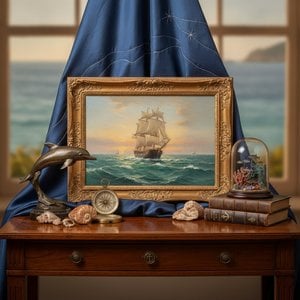
Immerse yourself in the profound beauty of marine art. From 17th-century maritime masterpieces to bespoke hand-painted oil reproductions, discover a curated collection of exquisite seascapes designed for the discerning collector and luxury interior professional. Experience timeless elegance.

Discover the profound allure of maritime art through our curated collection of exquisite nautical masterpieces. From hand-painted oil reproductions to bespoke commissions, we provide museum-quality seascapes for elite collectors and luxury hospitality design worldwide.

 Katso seinällä
 Lähetä
 Jaa
Jaa
 Tarkemmat tiedot
 Opas
Opas

 Lataa kuva
 Samanlaisia kohteita
 Röntgenkuvaus
 Diaesitys
 Tilastot


 Lue lisää







 Lasivaihtoehto on saatavilla vain alle 110 cm kokoisille teoksille





