

 Oil On CanvasWallArtLate 19th Century Realism
 1908
1908 102.0 x 115.0 cm
 Metropolitanin museo
Käsinmaalattu öljyväri kankaalle haluamassasi koossa ja kehyksissä, taiteilijoidemme valmistamana tilauksesta. ( Vaihda tulosteeseen Siirry digitaaliseen kuvaan)





























Valitse valmiista mitoistamme sellaiset, jotka vastaavat teoksen alkuperäisiä mittasuhteita.

Voit syöttää omat mitat sopimaan tiettyyn kehykseen tai tilaan. Jos valitsemasi koko ei vastaa alkuperäisen kuvan mittasuhteita, rajaamme taideteoksen tai jatkamme maalausta käsin maalatuilla elementeillä. Digitaalinen esikatselu lähetetään hyväksyttäväksi ennen tuotannon aloittamista.
Huomioithan, että näytöllä oleva esikatselu ei vastaa todellista rajausta tai jatkamista. Vain digitaalinen mallikuva näyttää lopullisen sommittelun tarkasti.
Vaikka mittatilaustyöt ovat mahdollisia, suosittelemme valitsemaan mitan ennalta määritetystä listasta alkuperäisten mittasuhteiden säilyttämiseksi.
Maailmanlaajuinen toimitus () 3–4 viikossa tavallisen 5 viikon sijaan. (21 syyskuu). Laadusta ei tingitä.


Still Life: Fish
Replikaatin koko
William Merritt Chase's "Still Life: Fish," painted in 1908, isn’t merely a depiction of fruit and fish; it’s a carefully constructed tableau that invites contemplation. This work, executed during a period when Chase was deeply influenced by European artistic traditions – particularly the bold brushwork and somber palettes of his Munich contemporaries like Antoine Vollon – offers a glimpse into the evolving landscape of American art at the turn of the 20th century. The painting’s quiet intensity stems from its masterful use of light, shadow, and texture, creating an atmosphere both familiar and subtly unsettling.
“Still Life: Fish” is deeply rooted in artistic tradition, drawing inspiration from both Spanish still life paintings – a style championed by Vollon – and the burgeoning Impressionist movement. The influence of Spanish masters is evident in the dramatic lighting and the emphasis on capturing the textures of perishable objects. However, Chase’s work transcends mere imitation; he imbues these familiar subjects with a distinctly American sensibility. The abundance of fish itself can be interpreted as a symbol of prosperity or sustenance, yet it also carries a hint of melancholy – perhaps reflecting the fleeting nature of beauty and life itself.
Writing in 1917, art connoisseur Leo Stein observed that Chase's fish paintings were “the most expressive” among non-sentimental still lifes. This insight speaks to the artist’s ability to transform a commonplace subject into something deeply engaging. Chase wasn’t simply depicting objects; he was striving to capture their essence – their weight, texture, and inherent drama. The painting's loose brushwork and dynamic composition suggest a deliberate attempt to convey a sense of immediacy and spontaneity, as if the artist were capturing a fleeting moment in time. A reproduction of “Still Life: Fish” offers a remarkable opportunity to experience Chase’s artistic vision firsthand – a testament to his skill and a poignant reminder of the beauty that can be found in the ordinary.


1849 - 1916 , Yhdysvallat

Explore 10 defining masterpieces of Romantic Realism! Discover Courbet, Millet & Daumier's powerful paintings—capturing emotion and social realities. Find museum-quality reproductions for your home at WahooArt.com.

Explore the life & work of William Merritt Chase, a leading American Impressionist painter and influential art educator. Discover his vibrant portraits, landscapes, and lasting legacy with WahooArt.
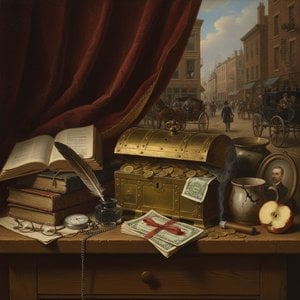
Explore the captivating still lifes of William Michael Harnett, a master of American realism and trompe l'oeil painting. Discover his technique, legacy & the cultural context behind his iconic works.

Explore the art & culture of 1876 – a pivotal year! Discover American Impressionism, Realism's rise, and influential artists like Chase, Corot, and Miller. Expert insights at WahooArt.

Tutustu Paul Cézannen 25 vaikuttavinta mestariteosta! Postimpressionismin huipputeoksia, still life -maalauksia ja ikonisia maisemia. Löydä taiteen tarinat ja inspiroi kotisi sisustusta WahooArt.com:ssa. Tutki kokoelma verkossa!

 Katso seinällä
 Lähetä
 Jaa
Jaa
 Tarkemmat tiedot
 Opas
Opas

 Lataa kuva
 Samanlaisia kohteita
 Röntgenkuvaus
 Diaesitys
 Tilastot
 Lue lisää







 Lasivaihtoehto on saatavilla vain alle 110 cm kokoisille teoksille


