Esikatselu Esikatsele AR-tilassa Osta käsinmaalattu taideteos Siirry digitaaliseen kuvaan Jaa teos
Tiedot Opas Lisää suosikkeihin Lataa kuva Samanlaisia kohteita Röntgenkuvaus Diaesitys Tilastot

Jacob's Ladder

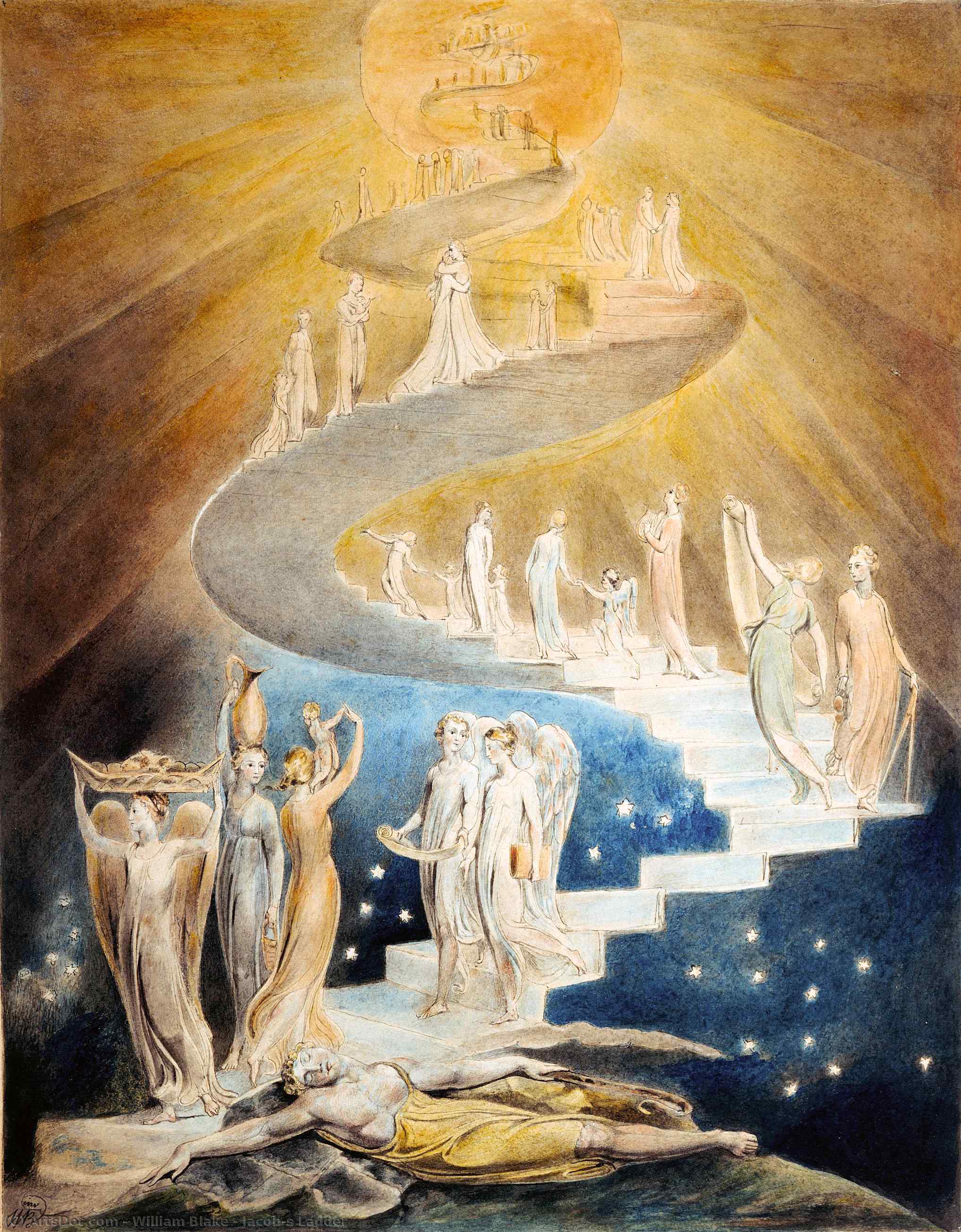
William Blake’s Jacob’s Ladder: A mesmerizing depiction of faith and spiritual ascent. Explore the illuminated staircase to heaven, symbolizing humanity's journey through intricate symbolism & masterful technique.

William Blake’n mystinen Hekate-kuva: kolmifacesinen jumalatar, joka symboloi muodonmuutosta ja salattua tietoa. Romantiikan aikaisen taideteoksen syvälliset symbolit herättävät ajatuksia.

Giclée- ja taideprintit

Museolaatuisia giclée- tai kankaitaulun tulosteita nopealla tuotannolla ja joustavilla viimeistelyvaihtoehdoilla. ( Osta käsinmaalattu taideteos Siirry digitaaliseen kuvaan)

Corner sample of the P118B picture frame: valettu polystyreeni, 5 cm wide and 3 cm thick
P118B €10
Corner sample of the P118H picture frame: valettu polystyreeni, 5 cm wide and 3 cm thick
P118H €10
Corner sample of the P118W picture frame: valettu polystyreeni, 5 cm wide and 3 cm thick
P118W €10
Corner sample of the P438Z picture frame: valettu polystyreeni, 5.5 cm wide and 3.5 cm thick
P438Z €10
Corner sample of the P508JH picture frame: valettu polystyreeni, 7 cm wide and 3.5 cm thick
P508JH €12
Corner sample of the P508YH picture frame: valettu polystyreeni, 7 cm wide and 3.5 cm thick
P508YH €12
Corner sample of the P805H picture frame: valettu polystyreeni, 5 cm wide and 3.5 cm thick
P805H €10
Corner sample of the P805Z picture frame: valettu polystyreeni, 5 cm wide and 3.5 cm thick
P805Z €10
Corner sample of the P919BZ picture frame: valettu polystyreeni, 7 cm wide and 3.5 cm thick
P919BZ €10
Corner sample of the P919G picture frame: valettu polystyreeni, 7 cm wide and 3.5 cm thick
P919G €10
Corner sample of the P919XJ picture frame: valettu polystyreeni, 7 cm wide and 3.5 cm thick
P919XJ €10
Corner sample of the P959ZH picture frame: valettu polystyreeni, 5 cm wide and 3 cm thick
P959ZH €10
Corner sample of the P968JZ picture frame: valettu polystyreeni, 6 cm wide and 4 cm thick
P968JZ €12
Corner sample of the W106C picture frame: massiivipuu, 5 cm wide and 3 cm thick
W106C €8
Corner sample of the W218G picture frame: massiivipuu, 5 cm wide and 3 cm thick
W218G €10
Corner sample of the W218JH picture frame: massiivipuu, 5 cm wide and 3 cm thick
W218JH €8
Corner sample of the W218Y picture frame: massiivipuu, 5 cm wide and 3 cm thick
W218Y €10
Corner sample of the W307PJ picture frame: massiivipuu, 6 cm wide and 3 cm thick
W307PJ €10
Corner sample of the W316G picture frame: massiivipuu, 6 cm wide and 3 cm thick
W316G €10
Corner sample of the W316PJ picture frame: massiivipuu, 6 cm wide and 3 cm thick
W316PJ €8
Corner sample of the W316Y picture frame: massiivipuu, 6 cm wide and 3 cm thick
W316Y €10
Corner sample of the W398PJ picture frame: massiivipuu, 5 cm wide and 3 cm thick
W398PJ €8
Corner sample of the W4111J picture frame: massiivipuu, 6.5 cm wide and 3.5 cm thick
W4111J €10
Corner sample of the W500HY picture frame: massiivipuu, 7 cm wide and 5 cm thick
W500HY €15
Corner sample of the W500JH picture frame: massiivipuu, 7 cm wide and 5 cm thick
W500JH €15
Corner sample of the W692G picture frame: massiivipuu, 8 cm wide and 4 cm thick
W692G €12
Corner sample of the W849H picture frame: massiivipuu, 5 cm wide and 3 cm thick
W849H €8
Corner sample of the W940BG picture frame: massiivipuu, 7.5 cm wide and 4.5 cm thick
W940BG €15
Corner sample of the W953PJ picture frame: massiivipuu, 6 cm wide and 3.5 cm thick
W953PJ €8

Vakiokoko
räätälöity
CM
INCH

Valitse valmiista mitoistamme sellaiset, jotka vastaavat teoksen alkuperäisiä mittasuhteita.

leveys
korkeus

Syötä tarvitsemasi leveys ja korkeus, jotta tuloste sopii kehyksiisi tai seinällesi. Tulostetta voidaan vain leikata, sitä ei voida koskaan suurentaa alkuperäistä kuvaa suuremmaksi, joten eri muotoinen koko aiheuttaa osan kuvasta katoamisen. Lähetämme sinulle digitaalisen mallikuvan hyväksyttäväksi ennen kuin aloitamme tulostuksen. Tällä sivulla näkyvä kuva ei näytä lopullista rajausta — vain mallikuva näyttää sen.

Maailmanlaajuinen toimitus () 2 viikossa tavallisen 4–5 viikon sijaan. (28 lokakuu)

Ilmainen pikatoimitus ympäri maailman
Korkealaatuinen pellavakangas
Kattava kuljetusvakuutus
Tulliveron palautustakuu
Takuu täydellisestä värien vastaavuudesta
100 päivän palautusoikeus (vain valmistusvirheet)
100% rahat takaisin -takuu
Määräalennus tarjolla

Kokonaishinta

€ 60

Jacob's Ladder

Giclée- ja taideprintit

Replikaatin koko

-

Kokonaishinta

€ 60

Pikaista tietoa

  • Movement: Romanticism
  • Artist: William Blake
  • Medium: Watercolor & Pencil
  • Artistic style: Dreamlike imagery; vibrant colors
  • Subject or theme: Spirituality; Biblical allegory

Taidevisat

Jokaisessa kysymyksessä on vain yksi oikea vastaus.

Kysymys 1:
What is the primary subject matter of William Blake’s Jacob’s Ladder?
Kysymys 2:
Blake employed what artistic technique to create Jacob’s Ladder?
Kysymys 3:
According to the description, Jacob’s Ladder is inspired by which biblical story?
Kysymys 4:
Blake’s Jacob’s Ladder is notable for its use of symbolism. What does the spiral staircase represent?
Kysymys 5:
Who is considered to be one of Blake’s significant influences, citing his work as inspiration?

Jacob's Ladder: A Stairway to Spiritual Revelation

William Blake, a visionary artist and poet whose spirit defied the conventions of his era, gifted us with Jacob’s Ladder (circa 1799-1806), an artwork that transcends mere visual representation—it embodies a profound exploration of faith, mysticism, and the human yearning for transcendence. Created during the tumultuous Romantic period, Blake's masterpiece stands as a testament to his singular artistic vision and continues to resonate with audiences today.

Composition and Technique: An Illuminated Dreamscape

The painting’s central motif is undeniably striking: a spiraling staircase ascending towards a radiant celestial realm. Executed in watercolor and pencil on paper, Blake skillfully employs delicate washes of color—primarily golds and blues—to evoke an ethereal luminescence that permeates the entire composition. The meticulous detail achieved through pencil rendering lends texture and depth to the architectural elements of the ladder itself, emphasizing its monumental scale against the expansive backdrop of a sunlit sky. Notably, Blake’s use of illuminated printing techniques – a method he pioneered – further enhances the artwork's symbolic power, layering translucent inks over the watercolor base to create an otherworldly glow reminiscent of biblical manuscripts.

Symbolism and Biblical Inspiration

Blake’s Jacob’s Ladder draws directly from Genesis 28:12-22, recounting Jacob’s prophetic dream wherein he envisions a ladder reaching heaven, populated by angels descending and ascending. Blake interprets this narrative not merely as a retelling of scripture but as an allegory for the soul's journey towards divine grace. The staircase itself symbolizes the arduous ascent from earthly limitations to spiritual enlightenment, while the angelic figures represent messengers of God guiding humanity toward salvation. Furthermore, the luminous sky serves as a visual representation of paradise—a realm of purity and illumination unattainable through mundane experience.

Influence Beyond Art: Echoes in Literature and Culture

Blake’s Jacob’s Ladder exerted considerable influence on subsequent artistic movements and thinkers. Sigmund Freud recognized Blake's preoccupation with unconscious symbolism and psychological depth, mirroring his own explorations into the subconscious mind. Bob Dylan and Jim Morrison similarly embraced Blake’s poetic language and mystical imagery as inspiration for their songwriting endeavors. More broadly, Blake’s work continues to inspire artists and art enthusiasts alike, prompting contemplation on themes of spirituality, imagination, and the transformative potential of artistic expression. Its enduring legacy speaks to a timeless fascination with the intersection of faith and visual storytelling.

A Timeless Reflection: Jacob's Ladder Today

Even centuries after its creation, Jacob’s Ladder retains an undeniable emotional impact. The painting invites viewers to contemplate questions of belief, purpose, and the human desire for connection with something greater than oneself. Its luminous palette and intricate detail capture the essence of Romantic idealism—a conviction that art possesses the capacity to elevate consciousness and illuminate the hidden realities of existence. Owning a high-quality reproduction allows you to experience this captivating artwork's beauty and symbolism firsthand, bringing Blake’s visionary spirit into your home or studio.

Kysymykset ja vastaukset

Minkä tyyppinen teos William Blake:n "Jacob's Ladder" on?

William Blake:n "Jacob's Ladder" on luokiteltu tyypiksi WallArt. Luokitus kertoo, minkä tyyppinen alkuperäisteos on kyseessä.

Kuka myy teoksen William Blake:n "Jacob's Ladder" käsinmaalattuja kopioita?

Voit tilata käsin maalatun jäljennöksen teoksesta William Blake:n "Jacob's Ladder" suoraan sen Käsinmaalattu jäljennös -sivulta: käsinmaalattu öljyvärireproduktio pellavakankaalle, valmistetaan tilauksesta.

Mikä on teoksen William Blake:n "Jacob's Ladder" luminanssi?

Teoksen "Jacob's Ladder" värit heijastavat Bright Balance luminanssia.


Taiteilijan elämäkerta

William Blake – Visionary’s Journey: The Life and Art of William Blake

William Blake, born in London on November 28, 1757, was a figure perpetually out of step with his time, yet destined to become one of the most celebrated artists and poets of the Romantic Age. His life unfolded against the backdrop of a rapidly changing England—a world grappling with industrialization, political upheaval, and shifting spiritual beliefs. From humble beginnings as the son of a hosier, Blake’s early years were marked by an intensely vivid imagination and a propensity for visionary experiences that would profoundly shape his artistic trajectory. Though largely self-taught in formal academics, he received drawing instruction at a young age, quickly revealing a talent that hinted at the extraordinary path ahead. His apprenticeship with engraver James Basire proved pivotal, providing him not only with technical mastery but also an understanding of printmaking techniques he would later revolutionize. These early influences—the Gothic grandeur of Westminster Abbey, the classical forms of Raphael and Michelangelo—served as foundational elements in his developing aesthetic, though Blake was never one to remain bound by convention.

Early Life and Artistic Training

Blake’s formative years instilled within him a deep fascination with mythology and folklore, alongside an acute sensitivity to visual beauty. Despite lacking formal artistic education, he possessed an innate ability to capture the essence of observed subjects—a gift that would prove invaluable in his subsequent endeavors. His apprenticeship under James Basire honed his engraving skills, equipping him with precision and technical proficiency while simultaneously exposing him to the intricacies of printmaking processes. This experience fostered a critical awareness of prevailing artistic trends—particularly the idealized depictions favored by Neoclassical painters—which Blake deliberately rejected as sterile and lacking in spiritual depth. He sought inspiration from sources beyond the mainstream, immersing himself in the writings of philosophers like Erasmus Darwin and Milton, whose imaginative visions mirrored his own inner landscape.

Illuminated Printing: A Revolutionary Technique

Blake’s artistic innovation wasn't merely about subject matter; it resided fundamentally in *how* he created. Dissatisfied with conventional engraving methods—which he considered reductive and incapable of conveying the subtleties of emotion—he developed a unique process known as “illuminated printing.” This involved etching both text and illustrations onto copper plates, then painstakingly hand-coloring the resulting prints—a laborious but deeply personal approach that allowed for complete artistic control. This wasn’t simply illustration accompanying poetry; it was an integrated art form where image and verse were inextricably linked, each enhancing the meaning of the other. He achieved this remarkable feat by combining etching with watercolor pigments, creating images imbued with luminous color and textural richness—a technique that stood apart from prevailing artistic practices of his era. This revolutionary method enabled Blake to express his visionary ideas in a way that transcended the limitations of traditional printmaking, forging a path toward a new aesthetic dimension.

Major Works and Artistic Style

Blake’s oeuvre encompasses poetry, engravings, watercolors, and illuminated books—each reflecting his distinctive artistic vision. Among his most celebrated works are *Songs of Innocence & Experience* (1789), a dual collection exploring themes of childhood innocence and adult corruption; *The Marriage of Heaven & Hell* (1793), a provocative prose poem challenging moral conventions; and *Jerusalem*, an ambitious epic poem celebrating the spiritual redemption of Albion—the ancient name for Britain. His engravings, particularly those inspired by Dante’s *Divine Comedy*, demonstrate his mastery of printmaking techniques and his ability to translate complex narratives into powerful visual imagery. Blake's artistic style is characterized by a deliberate rejection of linear perspective in favor of flattened planes and symbolic representations—a stylistic choice that prioritized emotional impact over realistic depiction. He favored tempera paints for certain canvases, reflecting his admiration for the Renaissance aesthetic, and employed watercolor pigments with exceptional skill to achieve luminous effects and capture fleeting impressions.

Legacy and Influence

William Blake’s artistic legacy extends far beyond his own lifetime, profoundly influencing subsequent generations of artists and writers. The Pre-Raphaelites embraced him as a kindred spirit—a champion of imaginative vision and symbolic expression—drawing inspiration from his groundbreaking technique and thematic concerns. Later movements—Symbolism and Modernism—recognized in Blake's work an affirmation of subjectivity and spiritual exploration—values that resonated deeply with the anxieties and aspirations of their time. Today, William Blake is revered as a pivotal figure in Romantic art and literature—an artist whose uncompromising commitment to creative freedom continues to inspire artists and thinkers worldwide. His enduring influence testifies to the transformative power of imagination and the importance of questioning conventional dogma—a testament to Blake’s timeless relevance as a visionary voice within the history of art.
William Blake

William Blake

1757 - 1827 , Englanti

Pähkinänkuoressa

  • Artistic Movement Or Style: Romantiikka
  • Artists Who Influenced This Artist:
    • Raphael
    • Michelangelo
  • Date Of Birth: 1757
  • Full Name: William Blake
  • Nationality: Englanti
  • Notable Artworks:
    • Songs of Innocence & Exp.
    • The Tyger
    • Jerusalem
  • Place Of Death: Londoo
Tutustu teoksiin, jotka on järjestetty aiheiden, tyylien ja ominaisuuksien mukaan.