Oil On CanvasWallArtAbstract Expressionism
 1939Early Medieval
 97.0 x 87.0 cm
Tällä sivulla esitettyä taideteosta suojaa tekijänoikeuslaki, mikä tarkoittaa, ettemme voi laillisesti luoda tai myydä täsmälleen samanlaista jäljennöstä. Tämä suoja toteutetaan kansainvälisten sopimusten, kuten esimerkiksi Berne-konventio ja kansallisilla laeilla, mukaan lukien niillä määritellyt Yhdysvaltain tekijänoikeuslaki – Luku 17. Kaikki oikeudet pidätetään. Luvaton kopiointi tai jäljittely on kielletty.
Kunnioittavana ja laillisena vaihtoehtona tarjoamme alkuperäisestä inspiroituneita, yksilöllisiä ja käsinmaalattuja taideteoksia. Taitavat ja ammattimaiset taiteilijamme tutkivat huolellisesti alkuperäisen teoksen tyyliä, tunnelmaa ja taiteellista ydintä luodakseen uuden, ainutlaatuisen teoksen, joka herättää saman tunteen – säilyttäen samalla oman itsenäisen alkuperäisyytensä.
Tämä menetelmä noudattaa täysin tekijänoikeussäännöksiä, sillä se ei sisällä suojatun taideteoksen kopioimista tai jäljentämistä. Sen sijaan kyseessä on luova uudelleentulkinta – uusi maalaus, joka ammentaa vaikutteita alkuperäisestä, mutta ei ole sen identtinen kopio.
Käsinmaalattu öljyväri kankaalle haluamassasi koossa ja kehyksissä, taiteilijoidemme valmistamana tilauksesta. ( Vaihda tulosteeseen Siirry digitaaliseen kuvaan)





























Valitse valmiista mitoistamme sellaiset, jotka vastaavat teoksen alkuperäisiä mittasuhteita.

Voit syöttää omat mitat sopimaan tiettyyn kehykseen tai tilaan. Jos valitsemasi koko ei vastaa alkuperäisen kuvan mittasuhteita, rajaamme taideteoksen tai jatkamme maalausta käsin maalatuilla elementeillä. Digitaalinen esikatselu lähetetään hyväksyttäväksi ennen tuotannon aloittamista.
Huomioithan, että näytöllä oleva esikatselu ei vastaa todellista rajausta tai jatkamista. Vain digitaalinen mallikuva näyttää lopullisen sommittelun tarkasti.
Vaikka mittatilaustyöt ovat mahdollisia, suosittelemme valitsemaan mitan ennalta määritetystä listasta alkuperäisten mittasuhteiden säilyttämiseksi.
Maailmanlaajuinen toimitus () 3–4 viikossa tavallisen 5 viikon sijaan. (13 lokakuu). Laadusta ei tingitä.
Seated Man
Replikaatin koko
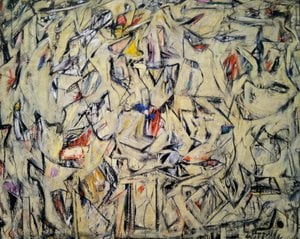
Willem de Kooning's “Seated Man,” painted in 1939, isn’t merely a depiction of a man at rest; it’s a potent distillation of the artist’s evolving approach to capturing human emotion and experience. This oil on canvas, measuring a modest yet significant 97 x 87 cm, currently resides within the Hirshhorn Museum and Sculpture Garden in Washington D.C., offering viewers an intimate glimpse into the mind of a pivotal figure in the New York School of art. De Kooning’s work during this period represents a fascinating crossroads – a deliberate exploration of realism interwoven with the burgeoning abstraction that would define his legacy, creating a dynamic tension within each piece.
The painting immediately draws the eye to its central subject: a man seated in a chair, his posture relaxed yet imbued with an underlying sense of contemplation. His arms are crossed, suggesting both vulnerability and self-possession. The deliberate use of color – primarily yellows and browns – contributes significantly to the work’s mood. The bright yellow shirt contrasts sharply with the darker tones of the figure's clothing and the chair, creating a visual rhythm that guides the viewer’s gaze across the canvas. Notably, de Kooning eschews a completely smooth finish; visible brushstrokes are prominent, adding texture and immediacy to the scene – a characteristic hallmark of his style.
The composition itself is carefully constructed to establish a clear dialogue between form and space. The man occupies the left side of the frame, anchoring the viewer’s attention while simultaneously allowing the right half of the canvas to be dominated by a dining table. This arrangement isn't arbitrary; it subtly suggests a domestic scene, a moment of quiet contemplation or perhaps even a shared meal. Two bowls are placed on the table, one closer to the center and the other slightly further away – a detail that invites speculation about their contents and the context of the gathering. A bottle is positioned in the upper left corner, adding another layer of visual interest and subtly directing the eye upwards.
The placement of these objects isn’t simply decorative; it contributes to the painting's overall sense of ambiguity. Is this a portrait of an individual lost in thought? Or does it represent a broader commentary on human interaction and the rituals of daily life? De Kooning deliberately avoids providing easy answers, leaving the interpretation open to the viewer’s own sensibility.
“Seated Man” is deeply rooted in de Kooning's early experimentation with abstract expressionism. While retaining elements of realism – particularly in the depiction of the man’s face and posture – the painting demonstrates a willingness to distort and fragment forms, anticipating the more radical gestures that would characterize his later work. This exploration of the human figure, often rendered with a sense of unease or even violence, reflects de Kooning's broader engagement with themes of identity, alienation, and the complexities of modern life. His work during this period was profoundly influenced by artists like Jackson Pollock and Franz Kline, whose techniques he absorbed and adapted to his own unique vision.
“Seated Man” stands as a significant testament to de Kooning’s contribution to the development of abstract expressionism. It exemplifies his ability to balance realism with abstraction, capturing not only the outward appearance of a subject but also its underlying emotional state. The painting's blend of observation and invention makes it a compelling study for art enthusiasts and scholars alike, offering insights into the artist’s creative process and his place within the broader context of 20th-century art. Reproductions of this powerful work offer a tangible connection to a pivotal moment in artistic history, allowing viewers to experience de Kooning's vision firsthand.
Teoksella Willem de Kooning:n "Seated Man" on Soft Shadow luminanssi. Luminanssi kuvaa sitä, kuinka paljon värit näyttävät heijastavan valoa.
Teoksen "Seated Man" takana ovat Willem de Kooning ja Abstract Expressionism-suuntaus.
Teoksessa Willem de Kooning:n "Seated Man" on Serene kontrasti vaaleiden ja tummien alueiden välillä.
"Seated Man" on valmistettu tekniikalla Oil On Canvas, ja sen alkuperäinen koko on 97 x 87 cm.
"Seated Man" on saatavilla muodossa korkearesoluutioinen digitaalinen kuvalataus, ja sen voi ostaa suoraan osoitteesta tämä sivu.
Willem de Kooning:n "Seated Man" esittää aiheita seated man, figure, chair, dining, baldness, yellow shirt, abstraction, casual Elegant tunnelmassa. Aihe ja ilmapiiri kuvaavat teosta yhdessä.
"Seated Man" on saatavilla muodossa käsinmaalattu öljyvärireproduktio pellavakankaalle. Tilauksen voi tehdä osoitteessa tämä sivu, ja voit valita haluamasi koon.
"Seated Man"-teokselle ominainen Dark väripaletti saa pääroolin Driftwood (#cb935b)-värin johdolla.


1904 - 1997 , Alankomaat

Explore the profound emotional depth of Abstract Expressionism. From Pollock's dynamic drips to de Kooning's gestural mastery, our expert guide offers art collectors a sophisticated analysis of this transformative movement and its enduring legacy in modern fine art.

 Katso seinällä
 Lähetä
 Jaa
Jaa
 Tarkemmat tiedot
 Opas
Opas

 Lataa kuva
 Samanlaisia kohteita
 Röntgenkuvaus
 Diaesitys
 Tilastot
 Lue lisää









 Lasivaihtoehto on saatavilla vain alle 110 cm kokoisille teoksille