

Käsinmaalattu öljyväri kankaalle haluamassasi koossa ja kehyksissä, taiteilijoidemme valmistamana tilauksesta. ( Vaihda tulosteeseen Siirry digitaaliseen kuvaan)





























Valitse valmiista mitoistamme sellaiset, jotka vastaavat teoksen alkuperäisiä mittasuhteita.

Voit syöttää omat mitat sopimaan tiettyyn kehykseen tai tilaan. Jos valitsemasi koko ei vastaa alkuperäisen kuvan mittasuhteita, rajaamme taideteoksen tai jatkamme maalausta käsin maalatuilla elementeillä. Digitaalinen esikatselu lähetetään hyväksyttäväksi ennen tuotannon aloittamista.
Huomioithan, että näytöllä oleva esikatselu ei vastaa todellista rajausta tai jatkamista. Vain digitaalinen mallikuva näyttää lopullisen sommittelun tarkasti.
Vaikka mittatilaustyöt ovat mahdollisia, suosittelemme valitsemaan mitan ennalta määritetystä listasta alkuperäisten mittasuhteiden säilyttämiseksi.
Maailmanlaajuinen toimitus () 3–4 viikossa tavallisen 5 viikon sijaan. (24 syyskuu). Laadusta ei tingitä.


Field with a Sower
Replikaatin koko
“Field with a Sower” depicts a rural scene brimming with life and energy. The central figure is a farmer diligently sowing seeds in a vast field under the expansive sky. Van Gogh masterfully captures the essence of agricultural labor, portraying the sower as a solitary yet vital presence within the landscape. The composition is dynamic; the diagonal line created by the furrowed field leads the viewer's eye towards the horizon, while the vibrant colors and expressive brushstrokes create a sense of movement and vitality. The setting sun casts long shadows across the field, adding depth and drama to the scene.
This painting exemplifies the Post-Impressionist movement, which emerged as a response to Impressionism's focus on capturing fleeting moments of light and color. While retaining some elements of Impressionism—such as vibrant hues—Post-Impressionists sought to express deeper emotions and ideas through their art. Van Gogh, along with artists like Paul Cézanne and Paul Gauguin, moved away from purely optical representation, emphasizing subjective experience and symbolic meaning. “Field with a Sower” demonstrates this shift by prioritizing emotional expression over strict realism.
Van Gogh’s distinctive technique is immediately apparent in “Field with a Sower.” He employed thick, impasto brushstrokes—applying paint thickly to the canvas—to create texture and depth. The vibrant colors are not merely descriptive; they convey emotion. The use of blues, oranges, and yellows evokes a sense of warmth and energy, while the swirling brushwork creates a feeling of movement and dynamism. This expressive technique allows Van Gogh to communicate his personal feelings about the scene – a blend of admiration for rural life and perhaps a touch of melancholy reflecting his own struggles.
Beyond its aesthetic qualities, “Field with a Sower” carries symbolic weight. The act of sowing seeds represents hope, renewal, and the cyclical nature of life. The sower himself can be interpreted as a symbol of perseverance and dedication to labor. Some scholars suggest that Van Gogh drew inspiration from Jean-François Millet’s earlier depictions of rural workers, but imbued them with his own unique emotional intensity. The setting sun adds another layer of symbolism, representing the passage of time and the inevitable end of each day—a poignant reminder of life's transience.


1853 - 1890 , Alankomaat

Discover the profound emotional depth of Post-Impressionist landscapes. Explore how masters like Van Gogh revolutionized art through vibrant color, textured impasto, and symbolic expression in this expert guide to the movement that redefined modern art history.
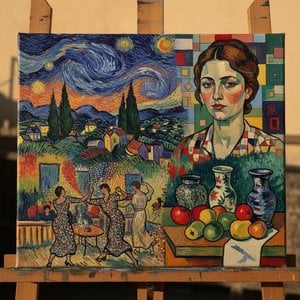
Unveil the profound revolution of Post-Impressionism. Explore how masters like Van Gogh and Cézanne utilized bold colors and emotional depth to transcend mere representation, laying the foundation for modern art. A sophisticated journey through history's most emotive brushstrokes.

Explore the profound emotional depth of Van Gogh's impasto technique. Discover how his sculptural brushstrokes and textured oil layers define Post-Impressionism through an expert art-historical lens, perfect for discerning collectors and fine art enthusiasts.

Master the nuances of Impressionism vs. Post-Impressionism with our expert guide. Explore the revolutionary shift from Monet’s fleeting light to Van Gogh’s emotional depth. Discover how these iconic movements continue to inspire fine art collectors and modern interiors today.

 Katso seinällä
 Lähetä
 Jaa
Jaa
 Tarkemmat tiedot
 Opas
Opas

 Lataa kuva
 Samanlaisia kohteita
 Röntgenkuvaus
 Diaesitys
 Tilastot

 Lue lisää







 Lasivaihtoehto on saatavilla vain alle 110 cm kokoisille teoksille


