Katso seinällä Esikatsele AR-tilassa Vaihda tulosteeseen Siirry digitaaliseen kuvaan Lähetä
Tarkemmat tiedot Opas Lisää suosikkeihin Lataa kuva Samanlaisia kohteita Röntgenkuvaus Diaesitys Tilastot

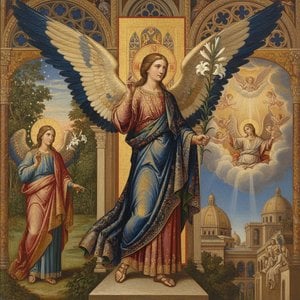
The Annunciation

Discover Titian’s "The Annunciation" (1557), a Baroque masterpiece! Explore its dramatic lighting, dynamic composition & rich colors of this Venetian painting.

Titian Ramsay Peale II: Kuolema Aktaeonille - Näyttävä öljyväritys klassisesta myytistä, joka tuo esiin renessanssin ajattelun ja tunteet! Tutustu yksityiskohtiin!

Käsinmaalattu öljyvärinen jäljennös

Käsinmaalattu öljyväri kankaalle haluamassasi koossa ja kehyksissä, taiteilijoidemme valmistamana tilauksesta. ( Vaihda tulosteeseen Siirry digitaaliseen kuvaan)

Corner sample of the P118B picture frame: valettu polystyreeni, 5 cm wide and 3 cm thick
P118B €10
Corner sample of the P118H picture frame: valettu polystyreeni, 5 cm wide and 3 cm thick
P118H €10
Corner sample of the P118W picture frame: valettu polystyreeni, 5 cm wide and 3 cm thick
P118W €10
Corner sample of the P438Z picture frame: valettu polystyreeni, 5.5 cm wide and 3.5 cm thick
P438Z €10
Corner sample of the P508JH picture frame: valettu polystyreeni, 7 cm wide and 3.5 cm thick
P508JH €12
Corner sample of the P508YH picture frame: valettu polystyreeni, 7 cm wide and 3.5 cm thick
P508YH €12
Corner sample of the P805H picture frame: valettu polystyreeni, 5 cm wide and 3.5 cm thick
P805H €10
Corner sample of the P805Z picture frame: valettu polystyreeni, 5 cm wide and 3.5 cm thick
P805Z €10
Corner sample of the P919BZ picture frame: valettu polystyreeni, 7 cm wide and 3.5 cm thick
P919BZ €10
Corner sample of the P919G picture frame: valettu polystyreeni, 7 cm wide and 3.5 cm thick
P919G €10
Corner sample of the P919XJ picture frame: valettu polystyreeni, 7 cm wide and 3.5 cm thick
P919XJ €10
Corner sample of the P959ZH picture frame: valettu polystyreeni, 5 cm wide and 3 cm thick
P959ZH €10
Corner sample of the P968JZ picture frame: valettu polystyreeni, 6 cm wide and 4 cm thick
P968JZ €12
Corner sample of the W106C picture frame: massiivipuu, 5 cm wide and 3 cm thick
W106C €8
Corner sample of the W218G picture frame: massiivipuu, 5 cm wide and 3 cm thick
W218G €10
Corner sample of the W218JH picture frame: massiivipuu, 5 cm wide and 3 cm thick
W218JH €8
Corner sample of the W218Y picture frame: massiivipuu, 5 cm wide and 3 cm thick
W218Y €10
Corner sample of the W307PJ picture frame: massiivipuu, 6 cm wide and 3 cm thick
W307PJ €10
Corner sample of the W316G picture frame: massiivipuu, 6 cm wide and 3 cm thick
W316G €10
Corner sample of the W316PJ picture frame: massiivipuu, 6 cm wide and 3 cm thick
W316PJ €8
Corner sample of the W316Y picture frame: massiivipuu, 6 cm wide and 3 cm thick
W316Y €10
Corner sample of the W398PJ picture frame: massiivipuu, 5 cm wide and 3 cm thick
W398PJ €8
Corner sample of the W4111J picture frame: massiivipuu, 6.5 cm wide and 3.5 cm thick
W4111J €10
Corner sample of the W500HY picture frame: massiivipuu, 7 cm wide and 5 cm thick
W500HY €15
Corner sample of the W500JH picture frame: massiivipuu, 7 cm wide and 5 cm thick
W500JH €15
Corner sample of the W692G picture frame: massiivipuu, 8 cm wide and 4 cm thick
W692G €12
Corner sample of the W849H picture frame: massiivipuu, 5 cm wide and 3 cm thick
W849H €8
Corner sample of the W940BG picture frame: massiivipuu, 7.5 cm wide and 4.5 cm thick
W940BG €15
Corner sample of the W953PJ picture frame: massiivipuu, 6 cm wide and 3.5 cm thick
W953PJ €8

Vakiokoko
mittatilaustyö
CM
INCH

Valitse valmiista mitoistamme sellaiset, jotka vastaavat teoksen alkuperäisiä mittasuhteita.

leveys
korkeus

Kirjoita tarvitsemasi leveys ja korkeus, jotta teos sopii kehyskehyksiisi tai seinällesi. Koska kyseessä on käsinmaalattu teos, taiteilija voi maalata hieman enemmän kuvan ympärille tai rajata sitä hieman, jos haluat eri muotoisen koon — valinta on sinun. Lähetämme sinulle digitaalisen mallikuvan hyväksyttäväksi ennen kuin maalaus alkaa. Tällä sivulla näkyvä kuva ei vastaa lopullista tulosta — vain mallikuva näyttää sen.

Esimerkkejä muokattavista asioista: Vaihda kasvot asiakkaan omaan valokuvaan; Lisää lemmikki (esim. korvaa kissa koiralla); Lisää taustalle piilotettu viesti; Muuta taustan maisemaa tai elementtejä.
Tilauksen jälkeen WahooArt.com -tiimi lähettää asiakkaalle sähköpostitse ohjeet ja esikatselukuvan.

Maailmanlaajuinen toimitus () 3–4 viikossa tavallisen 5 viikon sijaan. (25 lokakuu). Laadusta ei tingitä.

Ilmainen pikatoimitus ympäri maailman
Korkealaatuinen pellavakangas
Kattava kuljetusvakuutus
Tulliveron palautustakuu
Takuu täydellisestä värien vastaavuudesta
100 päivän palautusoikeus valmistusvirhetapauksissa
100% rahat takaisin -takuu
Määräalennus saatavilla

Kokonaishinta

€ 261

The Annunciation

Reproduktiotapa

Replikaatin koko

-

Kokonaishinta

€ 261

Pikaista tietoa

  • Dimensions: 280 x 21 cm
  • Notable elements: Pyramidal comp.
  • Medium: Oil on Canvas
  • Location: Palace of Capodimonte
  • Influences: Renaissance
  • Year: 1557

Taidevisakysely

Jokaisessa kysymyksessä on vain yksi oikea vastaus.

Kysymys 1:
What artistic movement is most closely associated with ‘The Annunciation’?
Kysymys 2:
The composition of 'The Annunciation' primarily utilizes which structural element?
Kysymys 3:
What is the dominant color palette used in ‘The Annunciation’?
Kysymys 4:
Which of the following best describes the lighting technique employed in ‘The Annunciation’?
Kysymys 5:
Considering Titian Ramsay Peale II’s background and artistic influences, what is a key characteristic of his work evident in ‘The Annunciation’?

The Annunciation: A Baroque Dialogue of Grace and Revelation

Titian Ramsay Peale II’s “The Annunciation,” painted in 1557, is more than just a depiction of a pivotal biblical moment; it's a carefully constructed tableau brimming with the emotional intensity and dramatic lighting characteristic of late Renaissance – specifically, Baroque – art. This masterful work transports us to a space both sacred and subtly unsettling, inviting contemplation on themes of divine grace, human humility, and the profound mystery at the heart of faith. Peale’s interpretation diverges from purely literal representation, opting instead for a heightened emotionalism that resonates powerfully with viewers centuries later.

The scene unfolds within an undefined, almost dreamlike space – a dark void punctuated by subtle architectural elements suggesting a modest dwelling. The focus immediately draws the eye to the kneeling woman, Mary, rendered in exquisite detail. Her posture conveys both vulnerability and profound absorption; her hands clasped together, her gaze fixed upward with an expression of awe and gentle surprise. This isn’t merely a passive recipient of divine news but a figure actively engaged in a momentous encounter. The artist skillfully uses light to sculpt her form, highlighting the delicate contours of her face and emphasizing the weight of this revelation.

A Symphony of Color and Movement

Peale's palette is dominated by rich browns, deep golds, and muted reds – colors that evoke a sense of solemnity and reverence. These warm tones are juxtaposed with cooler blues and purples in the swirling clouds above, creating a dynamic interplay between earthly humility and celestial splendor. The drapery, particularly the voluminous robes of the angel, is rendered with meticulous attention to detail, utilizing layered impasto – thick applications of paint that create a tactile, almost sculptural effect. This technique not only adds depth and texture but also contributes to the overall sense of drama and movement within the composition.

The use of curved lines—particularly in the flowing drapery and the wings of the angel—is paramount to the painting’s dynamic feel. These lines guide the viewer's eye through the scene, creating a sense of continuous motion and upward aspiration. The positioning of the ascending cherubs further reinforces this feeling of ascension, symbolizing the divine presence reaching down to earth. The pyramidal composition, anchored by Mary’s kneeling form and culminating in the angel and celestial elements, provides stability while simultaneously directing the eye upwards towards the heavens.

Symbolism and Artistic Echoes

“The Annunciation” is rich in symbolic meaning. The angel, rendered with powerful wings and a commanding presence, represents divine grace and the messenger of God’s will. Mary's posture embodies humility and receptivity – she is not demanding answers but humbly accepting the extraordinary news. The architectural details, though subtly suggested, hint at the familiar setting of Nazareth, grounding the miraculous event in a tangible reality. The painting draws heavily on the artistic traditions of the High Renaissance, particularly the works of Raphael and Leonardo da Vinci, yet Peale imbues it with a distinctly Baroque sensibility – a heightened emotionalism, dramatic lighting, and an emphasis on movement and dynamism.

Furthermore, it’s important to consider Peale's lineage. As the son of Charles Willson Peale, a pivotal figure in early American art and founder of the first museum, Titian Ramsay Peale II inherited a legacy of scientific observation and artistic exploration. This influence is evident in his meticulous detail and his commitment to capturing both the beauty and the complexity of the natural world – as seen in his extensive wildlife paintings. “The Annunciation” thus represents a fascinating synthesis of High Renaissance ideals with New World sensibilities, creating an artwork that is both timelessly beautiful and deeply rooted in its historical context. It’s a powerful testament to the enduring appeal of religious iconography and the artist's ability to translate profound spiritual themes into visually arresting form.

Kysymykset ja vastaukset

Miten taidesuuntaus ja aikakausi kohtaavat teoksessa Titian Ramsay Peale II:n "The Annunciation"?

"The Annunciation" kuuluu Baroque-suuntaukseen, ja sen tekijä työskenteli luku-aikakaudella.

Ovatko teoksen Titian Ramsay Peale II:n "The Annunciation" värit kirkkaita vai hillittyjä?

Teoksessa Titian Ramsay Peale II:n "The Annunciation" on Subtle Color kylläisyys ja Monochromatic voimakkuus.

Onko "The Annunciation" tyypillinen esimerkki siitä, mitä Titian Ramsay Peale II yleensä loi?

Titian Ramsay Peale II:n tunnettujen teemojen – titian's venetian mastery, divine grace and humility, counter-reformation piety, symbolic celestial vision, iconic annunciation depiction, key work in artist's output, emphasis on color & emotion – joukossa "The Annunciation" tuo oman painopisteensä aiheeseen annunciation, angel, virgin mary, divine revelation, religious art, baroque painting, spiritual encounter, celestial.


Taiteilijan elämäkerta

Varhaiset Vuodet ja Taiteellinen Perintö

Titian Ramsay Peale II (1799-1885) on hahmo, joka elää usein varjossa 1800-luvun amerikkalaisen taidemaailman suurten nimien joukossa. Hän syntyi Philadelphiassa ja kasvoi syvällä taiteellisessa perinteessä, nuorimpana poikana Charles Willson Pealen pojista – keskeisestä hahmosta varhaisen Amerikan muotokuvataiteen kehityksessä ja maan ensimmäisen museon perustajasta. Vaikka isän maine oli vahva, Titian loi oman polkunsa, joka juurtui syvälle korkean renessanssin esteettisiin ihanteisiin, erityisesti Venetsestä kumpuaviin. Hän ei pelkästään jäljitellyt tyylejä; hän kanavoi syvällistä taiteellista herkkyyttä ja täytti kankaansa tarkalla yksityiskohtaisuudella ja eloisilla väripaleteilla, mikä erotti hänet monista aikalaisistaan. Hänen elämänsä avautui kehittyvän amerikkalaisen identiteetin taustalla, mutta hänen taiteellinen sydämensä pysyi sidottuna klassisiin mestareihin luoden kiehtovan jännitteen vanhan maailman kunnioituksen ja uuden maailman ilmaisun välille.

Luonnon Tutkimuksesta Maalarin Kankaalle

Pealen varhaiset vuodet leimattiin kaksijakoisella kiinnostuksella taidetta ja luonnonhistoriaa kohtaan – yhdistelmä, jonka hänen monipuoliset pyrkimyksensä isä edisti. Hän osallistui retkikuntiin, merkittävimmin Stephen Harriman Longin matkalle Kalliovuorille vuosina 1819–20, dokumentoiden kasvistoa ja eläimistöä yhä tarkemmalla taiteellisella silmällä. Tämä aika ei ollut pelkästään havaintojen kirjaamista; se oli *ymmärtämistä* muodosta, valosta ja tekstuurista – taitoja, jotka osoittautuisivat korvaamattomiksi, kun hän käänsi täyden huomionsa maalaamiseen. Hänen työnsä luonnontutkijana vaikutti hänen taiteeseensa antaen tieteellisen tarkkuuden kuvauksiinsa luonnon maailmasta, mutta myös täyttämällä ne emotionaalisella resonanssilla, joka ylitti pelkän dokumentoinnin. Hän ei vain näyttänyt meille asioiden ulkonäköä; hän paljasti niiden sisäsyntyisen kauneuden ja henkisen merkityksen. Tämä omistautuminen molemmille aloille näkyy teoksissa, kuten ”Verorahat”, dramaattinen tulkinta Rubensin valon ja varjon mestarillisesta käytöstä, sekä "Nymfi ja Paimen", jossa luonto, mytologia ja aistillinen kauneus yhdistyvät.
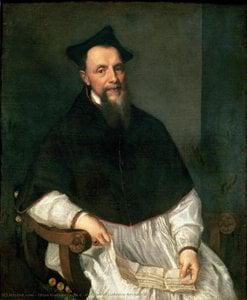
Venetsialaiset Vaikutteet ja Pyhät Visioita

Venetsialaisten kolorismin vaikutus – rikkaiden, valoisten värien ja ilmakehän tehosteiden korostaminen, jota artistit kuten Titian (josta hän otti etunimensä) edistivät – on kiistaton Pealen tuotannossa. Hän ei pelkästään kopioinut näitä mestareita; hän sisäisti heidän periaatteensa ja mukautti ne omaan taiteelliseen visioonsa. Tämä on erityisen ilmeistä hänen uskonnollisissa teoksissaan, kuten ”Alttarishriini Neljällä Pyhällä” ja "Paimenien Palvonta". Nämä maalaukset eivät ole pelkästään Raamatun kohtausten kuvauksia; ne ovat immersiivisiä kokemuksia, jotka vetävät katsojan huolellisesti orkestroituine sommitteluineen ja värien mestarillisella käytöllä tunteita herättämään henkisen pohdiskelun maailmaan. Näiden teosten tarkka yksityiskohtien huomiointi kertoo paitsi hänen teknisestä taidostaan myös syvästä kunnioituksesta aihettaan kohtaan. ”Kauneus”, vaikuttava muotokuva, osoittaa edelleen hänen kykynsä vangita ihmisen muoto ja luonne eleganssilla ja hienostuneisuudella.

Uudelleentulosta ja Kestävä Merkitys

Suuren osan 1900-lukua Titian Ramsay Peale II pysyi suurelta osin piilossa taidehistoriallisista kertomuksista. Hänen työnsä ei sopinut siististi vallitseviin trendeihin, ja hänen omistautumisensa klassiselle tyylille tuntui anachronistiselta nopeasti muuttuvassa taidemaailmassa. Viime vuosina on kuitenkin nähty kasvavaa arviointia hänen panoksestaan. Tutkijat ja keräilijät tunnustavat ainutlaatuisen yhdistelmän amerikkalaisia herkkyyksiä ja eurooppalaisia perinteitä, jotka luonnehtivat hänen maalauksiaan. Hänen työnsä uudelleentulosta ei ole pelkästään aukkojen täyttämistä taidehistoriassa; se on syvemmän ymmärryksen saavuttamista monimutkaisista kulttuurivoimista, jotka muokkasivat 1800-luvun Amerikkaa. Peale edustaa siltaa maailmojen välillä, todistetta klassisten ihanteiden kestävästä voimasta ja muistutusta siitä, että taiteellinen innovaatio syntyy usein odottamattomista vaikutusten yhdistelmistä. Hänen maalauksensa, jotka löytyvät nyt kokoelmista, kuten WahooArtsta, Uffizin galleriasta ja Palazzo Pittistä, tarjoavat kiehtovan välähdyksen unohdetusta kulmasta amerikkalaista taidehistoriaa – kulma, joka on valaistu renessanssin säteilevällä hehkulla.
Titian Ramsay Peale II

Titian Ramsay Peale II

1799 - 1885 , Yhdysvallat

Tietoa taiteilijasta

  • Artistic Movement Or Style: Korkea renessanssi
  • Artists Who Influenced This Artist:
    • Titian
    • Rubens
  • Date Of Birth: 1799
  • Date Of Death: 1885
  • Full Name: Titian Ramsay Peale II
  • Nationality: Amerikkalainen
  • Notable Artworks:
    • Altar Shrine with Four Saints
    • Adoration of the Shepherds
    • The Beauty
Tutustu teoksiin, jotka on järjestetty aiheiden, tyylien ja ominaisuuksien mukaan.