

 Acrylic On CanvasWallArtModernism
 1924
1924 57.0 x 90.0 cm
 Pinacoteca do Estado de São Paulo
Tällä sivulla esitettyä taideteosta suojaa tekijänoikeuslaki, mikä tarkoittaa, ettemme voi laillisesti luoda tai myydä täsmälleen samanlaista jäljennöstä. Tämä suoja toteutetaan kansainvälisten sopimusten, kuten esimerkiksi Berne-konventio ja kansallisilla laeilla, mukaan lukien niillä määritellyt Yhdysvaltain tekijänoikeuslaki – Luku 17. Kaikki oikeudet pidätetään. Luvaton kopiointi tai jäljittely on kielletty.
Tämä menetelmä noudattaa täysin tekijänoikeussäännöksiä, sillä se ei sisällä suojatun taideteoksen kopioimista tai jäljentämistä. Sen sijaan kyseessä on luova uudelleentulkinta – uusi maalaus, joka ammentaa vaikutteita alkuperäisestä, mutta ei ole sen identtinen kopio.
Museolaatuisia giclée- tai kankaitaulun tulosteita nopealla tuotannolla ja joustavilla viimeistelyvaihtoehdoilla. ( Tilaa käsinmaalattu jäljennös Siirry digitaaliseen kuvaan)





























Valitse valmiista mitoistamme sellaiset, jotka vastaavat teoksen alkuperäisiä mittasuhteita.

Kirjoita tarvitsemasi leveys ja korkeus, jotta tuloste sopii kehyskokoon tai seinällesi. Tulostetta voidaan vain leikata, sitä ei voi koskaan tehdä suuremmaksi kuin alkuperäinen kuva, joten eri muotoinen koko aiheuttaa osan kuvasta katoamisen. Lähetämme sinulle digitaalisen mallikuvan hyväksyttäväksi ennen kuin aloitamme tulostuksen. Tällä sivulla näkyvä kuva ei näytä lopullista leikkausta — vain mallikuva näyttää sen.
Maailmanlaajuinen toimitus () 2 viikossa tavallisen 4–5 viikon sijaan. (26 lokakuu)
São Paulo
Replikaatin koko
Tarsila do Amaral's "São Paulo," painted in 1924, isn't merely a depiction of a city; it’s a vibrant distillation of a nation’s burgeoning identity and a bold declaration of modernism. Emerging from the fertile ground of early 20th-century Brazil, this oil on canvas transports us to a São Paulo undergoing rapid transformation – a metropolis embracing progress while simultaneously retaining echoes of its rural past. The painting captures a pivotal moment in Brazilian art history, a time when artists sought to forge a distinctly national style, free from the constraints of European artistic traditions.
The scene unfolds with an arresting immediacy. A train, a symbol of industrial advancement and connectivity, races across the foreground, its movement suggesting a relentless drive forward. Beneath it, the sprawling Vale do Anhangabaú stretches out, punctuated by the geometric forms of buildings – a mix of colonial facades and nascent skyscrapers hinting at the city’s dual nature. The absence of human figures is deliberate; Amaral isn't interested in portraying individuals but rather in capturing the *essence* of São Paulo—its energy, its dynamism, and its spirit of ambition. Instead, we are presented with a carefully constructed landscape, imbued with symbolic weight.
Amaral’s technique is characterized by a masterful blend of influences – Cubist fragmentation, Brazilian folk art motifs, and the vibrant palette of Fauvism. The buildings are rendered in simplified geometric shapes, their forms subtly distorted to convey movement and depth. Bold swathes of color—a rich ochre for the earth, deep blues and greens for the sky—create a sense of heightened intensity. The use of contrasting colors – the bright yellow of the train against the muted tones of the buildings – draws the eye and establishes a dynamic visual rhythm.
Beyond its formal qualities, "São Paulo" is rich in symbolic meaning. The train represents not just transportation but also the relentless march of progress—a key theme in Brazilian identity at the time. The presence of a car on the right side further reinforces this idea of modernity. However, the painting isn’t simply an endorsement of industrialization. The inclusion of elements like the *bomba de gasolina* (gasoline pump) and the electric post subtly acknowledges the darker side of progress—the potential for environmental disruption and social inequality.
The deliberate absence of people is particularly significant. Amaral isn’t depicting a city populated by individuals; she's presenting São Paulo as an *entity*, a force with its own momentum. This reinforces the painting’s broader message: Brazil, too, is evolving into something new and independent.
"São Paulo" stands as a cornerstone of Tarsila do Amaral's oeuvre and a defining work of Brazilian modernism. Painted during a period of intense artistic experimentation, it embodies the nation’s desire to forge its own unique cultural identity. Reproductions of this captivating artwork offer a window into a vibrant era—a time when Brazil was grappling with its past while simultaneously embracing a bold new future. It's a testament to Amaral’s ability to capture not just a city, but the very spirit of a nation on the cusp of transformation.
Modernism-suuntauksen sisällä teoksella "São Paulo" on Iconic suosio.
Teoksen Tarsila Do Amaral:n "São Paulo" tekniikka on Acrylic On Canvas. Vedosten tavoitteena on jäljitellä tämän tekniikan ulkoasua.
Tarsila Do Amaral'n uralla teos "São Paulo" sijoittuu aikakaudelle Mature Period. Tämä vaihe auttaa vertaamaan sitä taiteilijan muihin teoksiin.


1886 - 1973 , Brasilia
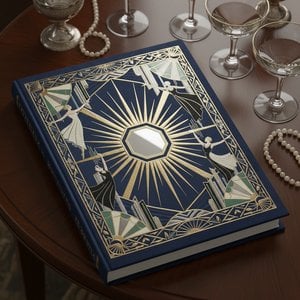
Discover the allure of Art Deco through a curated guide to its most iconic masterpieces. Explore the elegance of Erté and the innovation of Jean Dunand, perfect for collectors seeking timeless glamour and sophisticated design inspiration.

Discover the breathtaking allure of Art Deco. Explore the era's iconic geometry, legendary designers like Erté, and timeless glamour. Perfect for discerning collectors seeking to infuse their spaces with sophisticated modernist elegance and historical prestige.

Discover the unparalleled elegance of Art Deco through the lens of Erté. Explore a masterclass in linear precision, theatrical costume design, and high-fashion illustration that continues to define modern luxury and sophisticated interior aesthetics.

Discover the allure of Art Deco style with our expert guide to luxury interiors. Explore iconic influences from Erté to Jean Dunand and learn to curate a sophisticated space filled with timeless glamour and geometric elegance.

 Katso seinällä
 Lähetä
 Jaa
Jaa
 Tarkemmat tiedot
 Opas
Opas

 Lataa kuva
 Samanlaisia kohteita
 Röntgenkuvaus
 Diaesitys
 Tilastot
 Lue lisää









 Lasivaihtoehto on saatavilla vain alle 110 cm kokoisille teoksille


