

 Oil On PanelImpressionism
 41.0 x 51.0 cm
 The Munnings Art Museum
Museolaatuisia giclée- tai kankaitaulun tulosteita nopealla tuotannolla ja joustavilla viimeistelyvaihtoehdoilla. ( Tilaa käsinmaalattu jäljennös Siirry digitaaliseen kuvaan)





























Valitse valmiista mitoistamme sellaiset, jotka vastaavat teoksen alkuperäisiä mittasuhteita.

Voit syöttää omat mitat sopiaksesi tiettyyn kehykseen tai tilaan. Jos valittu koko ei vastaa alkuperäisen kuvan mittasuhteita, rajaamme teosta tai laajennamme kuvaa peilatulla tai yhtenäisellä reunalla. Digitaalinen mallikuva lähetetään hyväksyttäväksi ennen tuotannon aloittamista.
Huomaathan, että näytöllä näkyvä esikatselu ei vastaa lopullista rajausta tai laajennusta. Vain mallikuva näyttää lopullisen sommittelun tarkasti.
Vaikka räätälöityjä kokoja on saatavilla, suosittelemme valitsemaan mitat valmiista listasta alkuperäisten mittasuhteiden säilyttämiseksi.
Maailmanlaajuinen toimitus () 2 viikossa tavallisen 4–5 viikon sijaan. (22 syyskuu)


Elm Trees (verso)
Replikaatin koko
Sir Alfred James Munnings’s “Elm Trees” stands as a testament to the Impressionist movement's fascination with capturing fleeting moments of beauty in the natural world. Painted circa 1926, this oil on panel depicts a serene landscape scene—a verdant field punctuated by mature elm trees against a softly overcast sky—that embodies Munnings’s signature style: an unwavering devotion to portraying the essence of rural England during its twilight years.
Munnings, renowned for his equestrian paintings and his unflinching portrayal of working life on farms, eschewed academic precision in favor of capturing atmosphere and emotion. Unlike traditional landscapes that strive for meticulous detail, “Elm Trees” prioritizes tonal harmony and subtle color variations—characteristic hallmarks of Impressionism. The artist skillfully blends brushstrokes to create a luminous surface that seems to shimmer with reflected sunlight, conveying the feeling of warmth and tranquility.
The painting’s medium – oil on panel – lends itself beautifully to Munnings's expressive approach. He employed loose, visible brushwork, layering pigment onto the canvas in thin glazes that allowed for gradual blending and a remarkable luminosity. The artist meticulously observed the interplay of light and shadow across the elm trunks and branches, capturing the textures of bark and foliage with impressive accuracy. This careful attention to detail underscores Munnings’s commitment to representing reality as perceived by the eye—a core principle of Impressionist art.
Beyond its aesthetic qualities, “Elm Trees” carries symbolic weight rooted in British folklore and agricultural tradition. Elm trees have long been associated with resilience and longevity – emblems of steadfastness amidst change. Their presence within the landscape speaks to Munnings’s desire to preserve a disappearing rural heritage—a world where man and nature existed in harmonious interdependence. The muted palette contributes to this mood of contemplative reflection, inviting viewers to contemplate the beauty and fragility of the natural environment.
“Elm Trees” exemplifies Munnings’s enduring legacy as one of Britain's most celebrated landscape painters. Its understated elegance and masterful execution continue to inspire admiration for its ability to convey profound emotion through deceptively simple visual elements. Today, reproductions of this artwork offer a captivating glimpse into the artistic spirit of the early 20th century—a reminder that true beauty resides not in meticulous representation but in capturing the intangible essence of experience.


1878 - 1959 , Iso-Britannia

Explore the rich history of landscape art with WahooArt. Discover renowned artists, movements like Impressionism & Romanticism, and expert guidance for collecting timeless pieces. Find your perfect serene escape today!

Tutustu Paul Cézannen 25 vaikuttavinta mestariteosta! Postimpressionismin huipputeoksia, still life -maalauksia ja ikonisia maisemia. Löydä taiteen tarinat ja inspiroi kotisi sisustusta WahooArt.com:ssa. Tutki kokoelma verkossa!

Tutustu John Constable'n 25 mestariteokseen – romanttisia maisemamaalauksia, jotka vangitsevat englantilaisen luonnon tunnelman. Taidehistoriaa ja inspiraatiota kotiisi WahooArt.com:ssa. Löydä kaikki taideteokset verkossa!

Explore the rich history of rural landscape painting with WahooArt. Discover Impressionist masterpieces, key artists & movements. Find your perfect serene artwork and bring nature's beauty home.
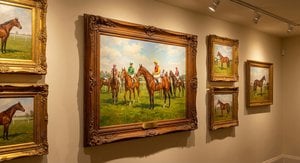
Tutustu Sir Alfred James Munningsin 25 lumoavinta mestariteosta! Uppoudu brittiläisen maalaisidyllin ja hevosmaalausten maailmaan. Löydä inspiraatiota kotiisi WahooArt.com:ista – taideprintit museolaadulla.

 Katso seinällä
 Lähetä
 Jaa
Jaa
 Tarkemmat tiedot
 Opas
Opas

 Lataa kuva
 Samanlaisia kohteita
 Röntgenkuvaus
 Diaesitys
 Tilastot
 Lue lisää







 Lasivaihtoehto on saatavilla vain alle 110 cm kokoisille teoksille


