

Käsinmaalattu öljyväri kankaalle haluamassasi koossa ja kehyksissä, taiteilijoidemme valmistamana tilauksesta. ( Vaihda tulosteeseen Siirry digitaaliseen kuvaan)





























Valitse valmiista mitoistamme sellaiset, jotka vastaavat teoksen alkuperäisiä mittasuhteita.

Voit syöttää omat mitat sopimaan tiettyyn kehykseen tai tilaan. Jos valitsemasi koko ei vastaa alkuperäisen kuvan mittasuhteita, rajaamme taideteoksen tai jatkamme maalausta käsin maalatuilla elementeillä. Digitaalinen esikatselu lähetetään hyväksyttäväksi ennen tuotannon aloittamista.
Huomioithan, että näytöllä oleva esikatselu ei vastaa todellista rajausta tai jatkamista. Vain digitaalinen mallikuva näyttää lopullisen sommittelun tarkasti.
Vaikka mittatilaustyöt ovat mahdollisia, suosittelemme valitsemaan mitan ennalta määritetystä listasta alkuperäisten mittasuhteiden säilyttämiseksi.
Maailmanlaajuinen toimitus () 3–4 viikossa tavallisen 5 viikon sijaan. (12 lokakuu). Laadusta ei tingitä.
Mary
Replikaatin koko
Robert Henri:n "Mary"-teoksessa käytetään Earthy-väripalettia. Paletti tiivistää teoksen yleisen värikarakterin.
"Mary" välittää Melancholic tunnelman. Emotionaalinen sävy kuvaa teoksen antamaa vaikutelmaa.
Robert Henri:n "Mary" yhdistää Oil On Canvas-tekniikan ja Ashcan School-tyylin. Tekniikka ja tyylisuunta kuvaavat teoksen valmistustapaa ja tyyliä.
Teoksen "Mary" takana ovat Robert Henri ja Ashcan School-suuntaus.
Amber to Saffron sävy hallitsee teosta Robert Henri:n "Mary".
"Mary" on luokiteltu kategoriaan Recognized.
Robert Henri loi teoksen "Mary" ollessaan 48 vuotias. Taiteilija on syntynyt vuonna 1865 ja teos on ajoitettu vuodelle 1913.
Luettelossa teos Robert Henri:n "Mary" on luokiteltu tyypiksi WallArt. Kategoria auttaa löytämään samankaltaisia teoksia.


1865 - 1929 , Yhdysvallat
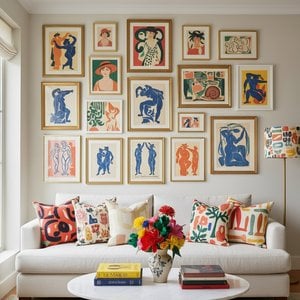
Tutustu Henri Matissen 25 mestariteokseen – värien ja muodon lumoava maailma! Lue taiteen historiaa, fauvismin syntyä ja löydä inspiraatiota sisustukseesi. Korkealaatuiset taideprintit WahooArt.com:ssa.

Tutustu amerikkalaisen realismin 10 mestariteokseen! Andrew Wyethistä Edward Hopperiin – taidetta, tarinoita ja inspiraatiota kotiisi. Laadukkaat taideprintit WahooArt.comissa. Tutustu kokoelmaan verkossa!

Explore the revolutionary Ashcan School! Discover how artists like Henri & Sloan challenged tradition with gritty realism, capturing urban life in early 20th-century America. Learn about their impact on American art history.

Explore the life & legacy of Robert Henri, a pivotal figure in American Realism. Discover his captivating portraits, influence on the Ashcan School, and enduring impact on art history. Learn more at WahooArt.

Explore the profound beauty of American Realism. From the Ashcan School's urban grit to intimate portraits, discover how artists captured the authentic soul of a nation through unvarnished truth and masterful observation.

 Katso seinällä
 Lähetä
 Jaa
Jaa
 Tarkemmat tiedot
 Opas
Opas

 Lataa kuva
 Samanlaisia kohteita
 Röntgenkuvaus
 Diaesitys
 Tilastot


 Lue lisää









 Lasivaihtoehto on saatavilla vain alle 110 cm kokoisille teoksille


