Taiteilijan elämäkerta
Pyotr Konchalovsky: A Visual Chronicle of a Transforming Russia
Pyotr Petrovich Konchalovsky, syntynyt 21. helmikuuta 1876 Slaviankassa lähellä Jekaterinburgia (nyk. Novokuznetsk), oli paljon enemmän kuin pelkkä maalaaja – hän oli visuaalinen historioija Venäjän muutoksessa. Hänen taiteellinen matkansa heijasti maan omaa myllerrystä vallankumouksen ja ideologisten muutosten läpi, merkittynä jatkuvalla etsinnällä uusista ilmaisumuodoista. Konchalovskin lapsuus upotti hänet tunnelmaan, joka oli rikas älylliseltä ja luovalta näkökulmalta. Hänen isänsä, Petr Petrovich Konchalovsky, oli kunnioitettu kääntäjä ja taidekustantaja, jonka Moskovan talo muuttui eläväksi keskuksiksi – Valentin Serov, Mikhail Vrubel, Vasily Surikov asuivat siellä perheen muuton jälkeen pääkaupunkiin vuonna 1889. Tämä varhainen altistuminen ei ollut pelkästään tarkkailua; se sisällytti nuoreen Pyttöriin syvän arvostuksen taiteelle ja loi pohjan hänen tulevalle polulle. Viikonloput mestariteosten ihailussa Trešjakovin galleriassa muovasivat hänen esteettisiä aistejaan Venäjän suurten mestarien voiman kautta.
Parisilaiset vaikutteet ja avantgardin innovaatiot
Konchalovskin virallinen koulutus alkoi Moskovan maalaus-, veistossahakoulussa, mutta sen jälkeen seurasi merkittävä jakso Pariisissa vuosina 1896–1898 Académie Julianissa. Tämä kokemus Ranskan taideympäristössä oli mullistava. Hän kohtasi Paul Cézanen ja Vincent van Goghin uraauurtavan työn, taiteilijat, jotka haastoivat perinteisen esityksen ja tutkivat uusia tapoja nähdä muotoa ja väriä. Seuraava matka Arlesiin antoi hänelle syvemmän ymmärryksen Van Goghin taiteellisesta visiosta – pyhiinvaelluksen sydämeen ilmaisuvoiman keskelle. Palattuaan Venäjälle hän jatkoi opiskelua Imperial Academy of Artsissa Pietarissa, valmistuen vuonna 1907. Kuitenkin palattuanaan Konchalovsky todella alkoi muovailla omaa ainutlaatuista tyyliään. Hänestä tuli keskeinen hahmo
Tyylin kehitys ja ideologiset muutokset
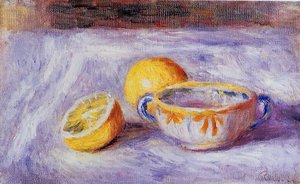
Konchalovskin taiteellinen tyyli kehittyi uransa aikana, heijastaen sekä henkilökohtaista tutkimusta että Venäjän muuttuvaa poliittista ilmapiiriä. Alkuvaiheessa vaikutteita saivat Fauvismi ja Cézanne, hänen varhaiset teoksensa olivat tunnettuja rohkeista väreistään, yksinkertaistetusta muodostaan ja rakenteen korostamisesta. Teokset kuten "Kahvinkeittoastian still life" esittävät tätä ajanjaksoa, jossa hän onnistui luomaan eloisan värimaailman ja dynaamisen komposition. Poliittisen vallankumouksen myötä Konchalovskin tyyli alkoi muuttua. Sosialistisen realismin nousu Neuvostoliitossa vaati taidetta, joka palvelee ideologisia tarkoituksia – juhlii sosialistisia arvoja ja esittää merkittäviä henkilöitä. Vaikka tämä edustaisi poikkeamaa hänen varhaisemmista avantgardistiilistänsä, Konchalovsky sopeutui, tunnettiin nyt seremoniaisten muotokuvien mestarina. Koko uransa aikana – yli 5 000 teosta – hän jatkoi tutkimuksia still life -teoksissa, maisemissa ja muotokuviin osoittaen uskomatonta monipuolisuuttaan ja omistautumistaan taiteelleen. Hän ei ollut vain mukautunut; hän löysi tapoja ilmaista taiteellista sensaatioitaan uusien aikakauden rajoitusten puitteissa.
”Jack of Diamonds” -ryhmän synty
Konchalovskin nousu merkittäväksi taiteilijaksi tapahtui 1910-luvulla, kun hänestä tuli keskeinen jäsen ryhmässä ”Jack of Diamonds” (Knave of Diamonds), joka perustettiin vuonna 1910. Tämä ryhmä, johon kuuluivat myös Aristarkh Lentulov ja Ilya Mashkov, hylkäsi akateemiset perinteet ja kannatti kokeilua, etsien inspiraatiota ei vain länsimaisesta modernismista vaan myös Venäjän omasta kansantaiteesta – ikoneista, kyltteistä ja värikkäistä suosikkikuvista, joita kutsuttiin *lubokiksi*. Konchalovsky toimi ryhmän ensimmäisenä puheenjohtajana ja edisti sen radikaaleja ideoita. Hän oli myös yksi ryhmän perustajista, joka yhdessä Lentulovin ja Mashkovin kanssa pyrki luomaan uudenlaista taidetta, joka haastaisi perinteisiä käsityksiä.
Sotavuodet ja jälkimaine
Ensimmäisen maailmansodan aikana Konchalovsky kutsuttiin armeijaan upseerina-tykistöupseerina. Hän osallistui sotaan ja matkusti eri puolilla Venäjää, mikä vaikutti hänen taiteeseensa. Sodan jälkeen hän keskittyi pääasiassa still life -teoksiin ja muotokuviin, säilyttäen samalla oman tyylinsä. Konchalovskin viimeiset vuodet olivat vaikeita Neuvostoliiton ideologisen paineen alla. Hänen taiteensa oli pakko mukautua sosialistisen realismin vaatimuksiin, mikä johti siihen, että hän jätti monia innovatiivisia pyrkimyksiään taakseen. Vaikka hänen työnsä muuttui, Konchalovsky säilytti oman äänen ja ilmaisi sitä rajoitusten puitteissa.
Perintö ja merkitys
Pyotr Konchalovskin panos venäläiseen taiteeseen on kiistaton. Hän yhdisti varhaisen modernismin ja sosialistisen realismin, navigoiden monimutkaisia poliittisia nyansseja säilyttäen samalla merkittävän taiteellisen voiman. Hänen ensimmäinen yksinäinen näyttely Trešjakovin galleriassa vuonna 1922 vahvisti hänen asemaansa yhdeksi Venäjän johtavista taiteilijoista. Taiteensa ulkopuolella Konchalovsky edistää perhettä, joka oli syvästi sitoutunut taiteeseen; hänen poikansa, Mikhail Petrovich Konchalovsky, tuli tunnetuksi elokuvaohjaajana ja hänen tyttärensä, Natalia Konchalovskaya, menestyksekkäänä taiteilijana. Hänen maalauksensa eivät ole pelkästään esteettisesti miellyttäviä esineitä vaan historiallisia dokumentteja, jotka heijastavat aikaa, jolloin ne on luotu. Ne tarjoavat arvokkaita näkemyksiä venäläisen taiteen kehityksestä ja taiteilijoiden haasteista toimittaessa muuttuvassa yhteiskunnassa. Konchalovskin kyky sopeutua säilyttäen oman tyylinsä vakiinnutti hänen paikkansa Venäjän taiteen historiassa, jättäen jälkeensä perinnön, joka inspiroi ja kiehtoo yleisöjä edelleen. Hänen työnsä on todiste taiteellisen ilmaisun kestävyydestä poliittisten levottomuuksien keskellä, ja hänen vaikutuksensa näkyy edelleen nykypäivän venäläisessä taiteessa.



 Katso seinällä
 Tilaa käsinmaalattu jäljennös
 Lähetä
 Jaa
Jaa
 Tarkemmat tiedot
 Guide
Guide

 Lataa kuva
 Samanlaisia kohteita
 Röntgenkuvaus
 Diaesitys
 Tilastot


 Lue lisää






































 Lasivaihtoehto on saatavilla vain alle 110 cm kokoisille teoksille