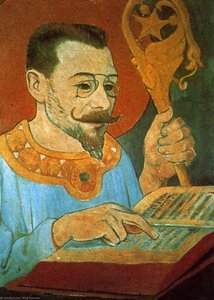
Museolaatuisia giclée- tai kankaitaulun tulosteita nopealla tuotannolla ja joustavilla viimeistelyvaihtoehdoilla. ( Tilaa käsinmaalattu jäljennös Siirry digitaaliseen kuvaan)





























Valitse valmiista mitoistamme sellaiset, jotka vastaavat teoksen alkuperäisiä mittasuhteita.

Voit syöttää omat mitat sopiaksesi tiettyyn kehykseen tai tilaan. Jos valittu koko ei vastaa alkuperäisen kuvan mittasuhteita, rajaamme teosta tai laajennamme kuvaa peilatulla tai yhtenäisellä reunalla. Digitaalinen mallikuva lähetetään hyväksyttäväksi ennen tuotannon aloittamista.
Huomaathan, että näytöllä näkyvä esikatselu ei vastaa lopullista rajausta tai laajennusta. Vain mallikuva näyttää lopullisen sommittelun tarkasti.
Vaikka räätälöityjä kokoja on saatavilla, suosittelemme valitsemaan mitat valmiista listasta alkuperäisten mittasuhteiden säilyttämiseksi.
Maailmanlaajuinen toimitus () 2 viikossa tavallisen 4–5 viikon sijaan. (22 syyskuu)


La colline aux platanes
Replikaatin koko
Paul Sérusier’s “La colline aux platanes” (The Hill with Plane Trees) is more than just a landscape painting; it's a cornerstone of the Nabi movement and embodies its radical departure from Impressionism. Painted in 1907, this serene depiction captures a winter hillside overlooking Morlaix Bay in Brittany, France – a location that profoundly influenced Sérusier’s artistic vision.
Sérusier’s masterful application of color is immediately striking. He eschews the vibrant hues characteristic of Impressionism for muted tones—primarily browns, greens, and blues—creating an atmosphere of quiet contemplation. The technique employed is cloisonnism, a method pioneered by Gauguin and championed by Sérusier himself. Cloisonnism involves dividing the canvas into geometric panels separated by thin lines of color, resulting in a textured surface that emphasizes form rather than blending hues.
The hillside itself is laden with symbolic significance. Plane trees—often associated with resilience and longevity—stand stark against the snow-covered slopes, representing enduring beauty amidst winter’s dormancy. The composition echoes influences from Celtic mythology and pagan traditions prevalent in Brittany at the time, reflecting Sérusier's fascination with folklore and spirituality.
“La colline aux platanes” is housed in the Musée d’Art Moderne André Malraux (MuMa) in Le Havre. Its presence there underscores its importance within the canon of modern art and serves as a testament to Sérusier's enduring legacy. The painting continues to inspire artists and collectors alike, offering a glimpse into the artistic fervor of the Belle Époque and demonstrating the transformative power of abstraction.
Voor meer informatie over Paul Sérusier en zijn kunstwerk “La colline aux platanes”, bezoek MuMa Museum of Modern Art André Malraux.


1864 - 1927 , Ranska

Unveil the profound revolution of Post-Impressionism. Explore how masters like Van Gogh and Cézanne utilized bold colors and emotional depth to transcend mere representation, laying the foundation for modern art. A sophisticated journey through history's most emotive brushstrokes.

Explore the transformative era of Post-Impressionism. Discover how masters like Cézanne and Matisse revolutionized color and form, moving beyond Impressionism to shape modern art history through structural innovation and expressive emotion.

Explore the vibrant evolution of Post-Impressionism. From Seurat's revolutionary Pointillism to the emotional depth of masters, discover how this movement redefined modern art history through color, structure, and unparalleled creative expression.

 Katso seinällä
 Lähetä
 Jaa
Jaa
 Tarkemmat tiedot
 Opas
Opas

 Lataa kuva
 Samanlaisia kohteita
 Röntgenkuvaus
 Diaesitys
 Tilastot


 Lue lisää







 Lasivaihtoehto on saatavilla vain alle 110 cm kokoisille teoksille