

Museolaatuisia giclée- tai kankaitaulun tulosteita nopealla tuotannolla ja joustavilla viimeistelyvaihtoehdoilla. ( Tilaa käsinmaalattu jäljennös Siirry digitaaliseen kuvaan)
Valitse valmiista mitoistamme sellaiset, jotka vastaavat teoksen alkuperäisiä mittasuhteita.

Kirjoita tarvitsemasi leveys ja korkeus, jotta tuloste sopii kehyskokoon tai seinällesi. Tulostetta voidaan vain leikata, sitä ei voi koskaan tehdä suuremmaksi kuin alkuperäinen kuva, joten eri muotoinen koko aiheuttaa osan kuvasta katoamisen. Lähetämme sinulle digitaalisen mallikuvan hyväksyttäväksi ennen kuin aloitamme tulostuksen. Tällä sivulla näkyvä kuva ei näytä lopullista leikkausta — vain mallikuva näyttää sen.
Maailmanlaajuinen toimitus () 2 viikossa tavallisen 4–5 viikon sijaan. (24 lokakuu)
Pony
Replikaatin koko

Paul Albert Besnard (1849–1934) seisoo ainutlaatuisena hahmona ranskalaisen taiteen kudelmassa, maalari, joka navigoi 1800-luvun lopun ja 1900-luvun alun muuttuvissa virtauksissa ainutlaatuisella, luokittelemattomalla sulavuudella. Pariisissa syntynyt taiteellinen matka sai alkunsa École des Beaux-Arts -akatemian tiukoissa raameissa, missä hän opiskeli Jean Bremondin alaisuudessa. Hänen varhaista kehitystään muovasi syvästi Alexandre Cabanelin huolellinen realismi, vaikutus, joka antoi Besnardille kurinalaisen akateemisen perustan. Silti tämän klassisen koulutuksen alla sykki modernisoijan sydän – sellaisen, joka lopulta siirtyisi perinteen jäykistä rajoista syleilemään valon ja ilmakehän katoavaista kauneutta.
Uran kypsyessä Besnard alkoi kuroa umpeen kuilua akateemisen maalaustaiteen rakenteellisen maailman ja impressionismin eloisien, aistillisten tutkimusten välillä. Vaikka hän ei hylännyt muotoa kokonaan puhtaan abstraktion tähden, hänestä tuli värin mestari, käyttäen palettia, joka tuntui sekä valoisalta että syvästi emotionaaliselta. Hänen työtään leimaa järkkymätön lumoutuminan siitä, miten valo vuorovaikuttaa pintojen kanssa, olipa kyseessä sitten muotokuvan herkkä iho tai hänen suurimpien tilaustensa avarat arkkitehtoniset ulottuvuudet. Tämä kyky yhdistää monumentaalinen ja intiimi antoi hänelle mahdollisuuden ylittää aikansa leimat ja luoda tyyli, joka tuntui yhtä aikaa ajattomalta ja hämmästyttävän nykyaikaiselta.
Besnardin todellinen nero näkyi kenties parhaiten hänen kykymysssään kääntää modernit tuntemukset suureen, koristeelliseen mittakaavaan. Hän ei ainoastaan maalannut kuvia; hän muutti tiloja. Hänen kunnianhimaiset freskonsa, jotka koristavat joitakin Ranskan arvostetuimmista instituutioista, toimivat todistuksena hänen visiostaan taiteesta julkisena, upottavana kokemuksena. Nämä teokset löytyvät muun muassa seuraavista paikoista:
Näissä valtavissa ponnistuksissa Besnard vältti monia aikalaistensa suosimia liian dramaattisia tai teatraalisia estetiikoita. Sen sijaan hän käytti hienovaraisempaa, tunnelmallista lähestymistapaa, joka antoi valon ohjata katsojan silmää varmistaen, että jopa massiivisimmat sommitelmat säilyttivät runollisen intiimiyden ja hengellisen syvyyden tunnun.
Freskojen avarakatseisten näkymien takana Besnard oli myös paljon henkilökohtaisempien teosten runsas luoja. Hänellä oli poikkeuksellinen kyky vangita kohteidensa psykologinen olemus öljyn, vesivärin, pastellin ja etsauksen avulla. Hänen muotokuviaan juhlitaan paitsi teknisen tarkkuuden, myös niiden syvän emotionaalisen resonanssin vuoksi. Hänen kuvauksessaan Madame Georges Rodenbachista löytyy rohkea kauneuden tutkimusmatka, joka haastaa perinteiset normit ja osoittaa hänen kykynsä kuvata tekstuuria ja luonnetta yhtä intohimoisella voimalla.
Hänen monipuolisuutensa grafiikan ja piirtämisen parissa antoi hänelle mahdollisuuden kokeilla varjon ja valon vuoropuhelua paljon herkemmällä asteikolla. Olipa kyseessä sitten Belgian kuninkaan ja kuningattaren kuninkaallinen läsnäolo tai maiseman hiljaisuus, Besnardin työ pysyy ankkuroituna vaikutteeseen, joka tuo mieleen Thomas Gainsboroughn – tietyn eleganssin ja rytmisen virtauksen, joka kohottaa aihetta. Lopulta Paul Albert Besnardin merkitys piilee juuri tässä dualismissa: hän oli taiteilija, joka kykeni hallitsemaan Ranskan suurimpia saleja samalla kun hän vangitsi valon kaikkein ohimenevimmät, herkimmät kuiskaukset.
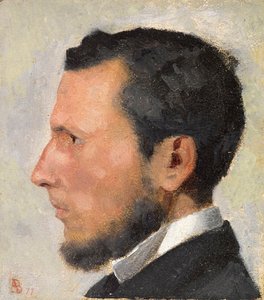
1849 - 1934 , Ranska

 Katso seinällä
 Lähetä
 Jaa
Jaa
 Tarkemmat tiedot
 Opas
Opas

 Lataa kuva
 Samanlaisia kohteita
 Röntgenkuvaus
 Diaesitys
 Tilastot

 Lue lisää






































 Lasivaihtoehto on saatavilla vain alle 110 cm kokoisille teoksille


