

 Oil On PanelWallArtEarly Netherlandish Painting
 1485Renaissance
 191.0 x 84.0 cm
 Staatsgalerie
Tällä sivulla esitettyä taideteosta suojaa tekijänoikeuslaki, mikä tarkoittaa, ettemme voi laillisesti luoda tai myydä täsmälleen samanlaista jäljennöstä. Tämä suoja toteutetaan kansainvälisten sopimusten, kuten esimerkiksi Berne-konventio ja kansallisilla laeilla, mukaan lukien niillä määritellyt Yhdysvaltain tekijänoikeuslaki – Luku 17. Kaikki oikeudet pidätetään. Luvaton kopiointi tai jäljittely on kielletty.
Kunnioittavana ja laillisena vaihtoehtona tarjoamme alkuperäisestä inspiroituneita, yksilöllisiä ja käsinmaalattuja taideteoksia. Taitavat ja ammattimaiset taiteilijamme tutkivat huolellisesti alkuperäisen teoksen tyyliä, tunnelmaa ja taiteellista ydintä luodakseen uuden, ainutlaatuisen teoksen, joka herättää saman tunteen – säilyttäen samalla oman itsenäisen alkuperäisyytensä.
Tämä menetelmä noudattaa täysin tekijänoikeussäännöksiä, sillä se ei sisällä suojatun taideteoksen kopioimista tai jäljentämistä. Sen sijaan kyseessä on luova uudelleentulkinta – uusi maalaus, joka ammentaa vaikutteita alkuperäisestä, mutta ei ole sen identtinen kopio.
Käsinmaalattu öljyväri kankaalle haluamassasi koossa ja kehyksissä, taiteilijoidemme valmistamana tilauksesta. ( Vaihda tulosteeseen Siirry digitaaliseen kuvaan)





























Valitse valmiista mitoistamme sellaiset, jotka vastaavat teoksen alkuperäisiä mittasuhteita.

Kirjoita tarvitsemasi leveys ja korkeus, jotta teos sopii kehyskehyksiisi tai seinällesi. Koska kyseessä on käsinmaalattu teos, taiteilija voi maalata hieman enemmän kuvan ympärille tai rajata sitä hieman, jos haluat eri muotoisen koon — valinta on sinun. Lähetämme sinulle digitaalisen mallikuvan hyväksyttäväksi ennen kuin maalaus alkaa. Tällä sivulla näkyvä kuva ei vastaa lopullista tulosta — vain mallikuva näyttää sen.
Maailmanlaajuinen toimitus () 3–4 viikossa tavallisen 5 viikon sijaan. (22 lokakuu). Laadusta ei tingitä.
Bathsheba
Replikaatin koko
In the quiet, amber-hued corridors of the Northern Renaissance, few works capture the delicate intersection of human vulnerability and divine grace as poignantly as Hans Memling’s Bathsheba. Painted around 1485 in the flourishing artistic hub of Bruges, this masterpiece transcends a mere biblical illustration to become a profound psychological study. As we gaze upon the scene, we are not merely spectators to a historical narrative; we are invited into a private, sacred sanctuary. The painting depicts Bathsheba, the wife of King David, in a moment of quiet transition within a luxurious bedchamber. There is an unmistakable sense of stillness, a breath held in anticipation, as she kneels before her husband, accepting a robe from a faithful maidservant. It is a tableau that speaks to the very essence of the human condition—the tension between our earthly desires and our spiritual aspirations.
The brilliance of Memling’s technique lies in his ability to marry the meticulous realism of the Early Netherlandish tradition with an almost ethereal luminosity. Utilizing the oil-on-panel method perfected by masters like Jan van Eyck, Memling achieves a textural depth that feels tactile to the modern eye. One can almost sense the weight of the heavy drapery, the coolness of the skin, and the soft, diffused light filtering through the chamber. His use of chiaroscuro—the masterful interplay between shadow and illumination—does more than create three-dimensional form; it directs the viewer's emotional journey, pulling our focus toward the tender interaction between the figures while casting the periphery in a mysterious, contemplative gloom.
Every element within this composition serves as a silent messenger, contributing to a complex tapestry of meaning. The bedchamber itself is far from a neutral setting; it represents a realm of domestic tranquility and marital harmony, acting as a deliberate, peaceful counterpoint to the moral turmoil found in the biblical account of David’s transgression. The maidservant, poised with grace, serves as a symbol of purity and humble service, her presence anchoring the scene in a sense of ritualistic care. Even the seemingly mundane objects—the delicate vase, the carefully placed bowls, and the sturdy chair in the background—contribute to an atmosphere of settled, bourgeois stability that was characteristic of the Burgundian Netherlands.
For the discerning collector or interior designer, this artwork offers much more than visual beauty; it provides a focal point of profound intellectual and emotional resonance. A high-quality reproduction of Bathsheba brings with it an aura of historical prestige and a sense of quiet sophistication. Whether placed in a sunlit study to inspire deep reflection or within a grand living space to anchor a room with classical elegance, the painting’s soft palette and intricate details command attention without overwhelming the environment. It is a piece that invites the eye to linger, rewarding the viewer with new discoveries of light and shadow upon every encounter, making it an enduring investment for those who value art that speaks to both the eyes and the soul.
Teoksen "Bathsheba" valoisuuden ja varjon välinen kontrasti on Statement. Kontrasti kuvaa, kuinka voimakkaasti vaaleat ja tummat alueet eroavat toisistaan.
Kyllä – teos säilytetään taiteilijan kotimaassa. Hans Memling on syntynyt maassa Saksa, ja teoksen "Bathsheba" alkuperäiskappaleen säilyttävä museo sijaitsee maassa Saksa.
Hans Memling:n "Bathsheba" on Tall-muotoinen sommitelma. Suhteet kannattaa tarkistaa ennen tulostekoon valitsemista.


Saksa

Embark on a journey through the exquisite precision of Flemish Art. Discover the pioneering oil techniques, profound symbolism, and luminous realism that define the Northern Renaissance masters in this expert guide for art enthusiasts.

Explore the dramatic brilliance of the Flemish Baroque movement. Discover how masters like Peter Paul Rubens utilized chiaroscuro and dynamic composition to redefine art history through light, shadow, and unparalleled emotion.
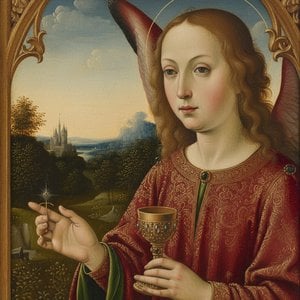
Embark on a journey through the luminous world of Early Netherlandish art. Discover the revolutionary oil techniques, microscopic realism, and sacred symbolism used by masters like Jan van Eyck to redefine Western art history in this expert-led guide.

Explore the exquisite precision of Flemish painting. From Jan van Eyck to Robert Campin, discover the revolutionary oil techniques and rich symbolism that defined the Northern Renaissance and continue to inspire fine art collectors today.

Delve into the luminous revolution of Early Netherlandish painting. Unveil how Jan van Eyck and Flemish masters pioneered oil techniques to achieve unparalleled depth, sacred symbolism, and breathtaking realism, forever shaping the legacy of Western art history.

 Katso seinällä
 Lähetä
 Jaa
Jaa
 Tarkemmat tiedot
 Opas
Opas

 Lataa kuva
 Samanlaisia kohteita
 Röntgenkuvaus
 Diaesitys
 Tilastot
 Lue lisää









 Lasivaihtoehto on saatavilla vain alle 110 cm kokoisille teoksille


