

Tällä sivulla esitettyä taideteosta suojaa tekijänoikeuslaki, mikä tarkoittaa, ettemme voi laillisesti luoda tai myydä täsmälleen samanlaista jäljennöstä. Tämä suoja toteutetaan kansainvälisten sopimusten, kuten esimerkiksi Berne-konventio ja kansallisilla laeilla, mukaan lukien niillä määritellyt Yhdysvaltain tekijänoikeuslaki – Luku 17. Kaikki oikeudet pidätetään. Luvaton kopiointi tai jäljittely on kielletty.
Kunnioittavana ja laillisena vaihtoehtona tarjoamme alkuperäisestä inspiroituneita, yksilöllisiä ja käsinmaalattuja taideteoksia. Taitavat ja ammattimaiset taiteilijamme tutkivat huolellisesti alkuperäisen teoksen tyyliä, tunnelmaa ja taiteellista ydintä luodakseen uuden, ainutlaatuisen teoksen, joka herättää saman tunteen – säilyttäen samalla oman itsenäisen alkuperäisyytensä.
Tämä menetelmä noudattaa täysin tekijänoikeussäännöksiä, sillä se ei sisällä suojatun taideteoksen kopioimista tai jäljentämistä. Sen sijaan kyseessä on luova uudelleentulkinta – uusi maalaus, joka ammentaa vaikutteita alkuperäisestä, mutta ei ole sen identtinen kopio.
Käsinmaalattu öljyväri kankaalle haluamassasi koossa ja kehyksissä, taiteilijoidemme valmistamana tilauksesta. ( Vaihda tulosteeseen Siirry digitaaliseen kuvaan)





























Valitse valmiista mitoistamme sellaiset, jotka vastaavat teoksen alkuperäisiä mittasuhteita.

Kirjoita tarvitsemasi leveys ja korkeus, jotta teos sopii kehyksiisi tai seinällesi. Koska kyseessä on käsinmaalattu teos, taiteilija voi maalata hieman enemmän kuvan ympärille tai rajata sitä hieman, jos haluat eri muotoisen koon — valinta on sinun. Lähetämme sinulle digitaalisen mallikuvan hyväksyttäväksi ennen kuin maalaus alkaa. Tällä sivulla näkyvä kuva ei vastaa lopullista tulosta — vain mallikuva näyttää sen.
Maailmanlaajuinen toimitus () 3–4 viikossa tavallisen 5 viikon sijaan. (28 lokakuu). Laadusta ei tingitä.
Skulls
Replikaatin koko
Marlene Dumas’s paintings stand apart in contemporary art—not merely for their aesthetic qualities but for the profound emotional resonance they evoke. Born in Cape Town, South Africa, in 1953, Dumas’s artistic vision is inextricably linked to her formative experiences amidst the turbulent landscape of apartheid, an encounter that instilled within her a deep understanding of social injustice and the complexities inherent in human identity.
Her upbringing on her father’s vineyard offered glimpses into both beauty and hardship—a duality that would permeate her oeuvre. Observing firsthand the divisions and inequalities shaping South African society during those years fueled her desire to explore themes of race, sexuality, and vulnerability through art. Dumas honed her skills at the University of Cape Town before relocating to Amsterdam, where she pursued studies in painting and psychology simultaneously.
This dual pursuit provided a crucial foundation for her artistic practice, fostering an intellectual curiosity that complemented her intuitive sensitivity to visual form. Dumas’s method is characterized by a deliberate rejection of traditional techniques—she eschews meticulous detail, favoring instead loose brushstrokes and washes of pigment that prioritize atmosphere and emotion over precise representation.
Her subjects are drawn from a private archive of photographs, encompassing an astonishing array of figures: children, pornographic nudes, corpses, torture victims, and terrorists. This selection reflects Dumas’s unwavering commitment to confronting uncomfortable truths about human experience—a boldness that aligns her work with the broader trajectory of the Pictures Generation and photography's expanding influence on artistic expression.
Crucially, Dumas doesn’t merely reproduce images; she transforms them, reclaiming corporeality from their photographic origins. Her paintings disrupt the source material they derive from, mirroring the fragmented nature of memory and perception. The resulting compositions often explore eroticism—ranging from explicit depictions of sexual acts to lyrical evocations of desire—demonstrating a willingness to grapple with taboo subjects.
Despite portraying scenes of death or brutality, Dumas’s intention isn't to shock but rather to reveal—to expose the vulnerability inherent in human existence and to challenge viewers to confront their own biases. Her recent works delve into pressing social issues, addressing legacies of apartheid and responding to pivotal historical moments like September 11th.
“Skulls,” created in 2015, exemplifies Dumas’s distinctive style—a series of portraits rendered in muted tones against stark white backgrounds. The skulls themselves are presented as individual objects on a wall, emphasizing their materiality and confronting viewers with the inevitability of mortality. The painting's simplicity underscores its emotional impact, inviting contemplation about loss, remembrance, and the enduring presence of death.
Currently housed at la Biennale di Venezia (Venice, Italy), “Skulls” stands as a testament to Dumas’s ability to distill complex ideas into visually arresting compositions. Its understated elegance speaks volumes about her artistic philosophy—a dedication to capturing fleeting moments of human emotion with unwavering honesty and sensitivity.
Explore the captivating beauty and poignant reflection of Marlene Dumas’s “Skulls” – a masterpiece that embodies her signature style and confronts viewers with profound questions about life, death, and human experience.
Voit esikatsella teosta Marlene Dumas:n "Skulls" sivulla Esikatselu tilassa.
"Skulls" on saatavilla muodossa taideteosvedos puuvillakangas- tai arkistoluokan kankaalle painettuna. Tilaukset voit tehdä Taidevedos -sivulla valitsemassasi koossa.
Marlene Dumas:n tunnettujen teemojen – photography, emotion, death, gender bias, sept 11 legacy – joukossa "Skulls" tuo oman painopisteensä aiheeseen skull, portrait, human form, photography, emotion, death, nakedness.

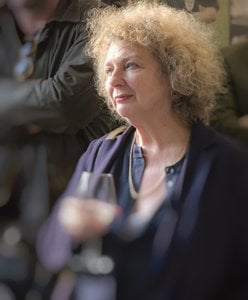
1953 - , Etelä Afrikka

Discover the enduring allure of hand-painted oil reproductions. WahooArt offers museum-quality, archival masterpieces designed for discerning collectors seeking timeless beauty and a lasting legacy. Invest in fine art that transcends generations with our expert craftsmanship.

Discover the profound allure of oil on canvas. Explore the mastery of impasto textures, the science of pigment longevity, and expert guides to selecting museum-quality reproductions that elevate your collection with timeless elegance and tactile depth.

Elevate your collection with the tactile elegance of hand-painted oil masterpieces. From bespoke reproductions to custom portraits from photography, discover museum-quality artistry crafted by academy-trained experts for discerning collectors and designers worldwide.

Transform your most cherished family memories into breathtaking oil masterpieces. Discover the elegance of bespoke, hand-painted portrait commissions, meticulously crafted by academy-trained artists to create a timeless legacy for your home and generations to come.

Discover the enduring allure of oil on canvas. Explore how master techniques like impasto and glazing create the depth, texture, and emotional resonance found in the world's greatest masterpieces. An essential guide for fine art enthusiasts and discerning collectors.

 Esikatselu
 Jaa teos
 Jaa
Jaa
 Tiedot
 Opas
Opas

 Lataa kuva
 Samanlaisia kohteita
 Röntgenkuvaus
 Diaesitys
 Tilastot


 Lue lisää









 Lasivaihtoehto on saatavilla vain alle 110 cm kokoisille teoksille


