

 Acrylic On CanvasWallArtColor Field Painting
 1949
1949 229.0 x 112.0 cm
Tällä sivulla esitettyä taideteosta suojaa tekijänoikeuslaki, mikä tarkoittaa, ettemme voi laillisesti luoda tai myydä täsmälleen samanlaista jäljennöstä. Tämä suoja toteutetaan kansainvälisten sopimusten, kuten esimerkiksi Berne-konventio ja kansallisilla laeilla, mukaan lukien niillä määritellyt Yhdysvaltain tekijänoikeuslaki – Luku 17. Kaikki oikeudet pidätetään. Luvaton kopiointi tai jäljittely on kielletty.
Kunnioittavana ja laillisena vaihtoehtona tarjoamme alkuperäisestä inspiroituneita, yksilöllisiä ja käsinmaalattuja taideteoksia. Taitavat ja ammattimaiset taiteilijamme tutkivat huolellisesti alkuperäisen teoksen tyyliä, tunnelmaa ja taiteellista ydintä luodakseen uuden, ainutlaatuisen teoksen, joka herättää saman tunteen – säilyttäen samalla oman itsenäisen alkuperäisyytensä.
Tämä menetelmä noudattaa täysin tekijänoikeussäännöksiä, sillä se ei sisällä suojatun taideteoksen kopioimista tai jäljentämistä. Sen sijaan kyseessä on luova uudelleentulkinta – uusi maalaus, joka ammentaa vaikutteita alkuperäisestä, mutta ei ole sen identtinen kopio.
Käsinmaalattu öljyväri kankaalle haluamassasi koossa ja kehyksissä, taiteilijoidemme valmistamana tilauksesta. ( Vaihda tulosteeseen Siirry digitaaliseen kuvaan)





























Valitse valmiista mitoistamme sellaiset, jotka vastaavat teoksen alkuperäisiä mittasuhteita.

Kirjoita tarvitsemasi leveys ja korkeus, jotta teos sopii kehyskehyksiisi tai seinällesi. Koska kyseessä on käsinmaalattu teos, taiteilija voi maalata hieman enemmän kuvan ympärille tai rajata sitä hieman, jos haluat eri muotoisen koon — valinta on sinun. Lähetämme sinulle digitaalisen mallikuvan hyväksyttäväksi ennen kuin maalaus alkaa. Tällä sivulla näkyvä kuva ei vastaa lopullista tulosta — vain mallikuva näyttää sen.
Maailmanlaajuinen toimitus () 3–4 viikossa tavallisen 5 viikon sijaan. (22 lokakuu). Laadusta ei tingitä.
Untitled
Replikaatin koko
This captivating reproduction offers an intimate glimpse into one of the most significant works from Mark Rothko’s mature period, painted in 1949. At first glance, it appears deceptively simple – four distinct blocks of color: a vibrant red, a deep green, a sunny yellow, and a grounding brown – arranged across the canvas with an almost meditative precision. However, to reduce this piece to mere hues is to profoundly misunderstand Rothko’s revolutionary approach to abstraction. Born in Dvinsk (now Daugavpils), Latvia, in 1903, Mark Rothko's early life was shaped by displacement and a deep-seated sensitivity to human suffering – experiences that would become recurring themes in his art. His emigration to the United States in 1913, following the death of his father, marked a pivotal shift, yet the anxieties of assimilation and the lingering shadow of loss continued to inform his artistic vision. This particular painting, created during a period of intense experimentation with color and form, embodies Rothko’s core philosophy: to evoke profound emotional responses through the pure essence of color itself.
Rothko’s technique is deceptively straightforward, yet incredibly complex in its execution. He applied the paint in thin layers, often building up multiple coats to achieve a luminous, almost velvety surface. Crucially, he avoided sharp edges or defined forms, opting instead for gradual transitions and blurred boundaries between the colors. This deliberate lack of definition isn’t an absence of detail; rather, it creates an immersive experience for the viewer – inviting them to lose themselves within the fields of color and allow their own emotions to resonate with the artwork. The pigments themselves were carefully chosen not just for their visual impact but also for their ability to interact optically, creating subtle shifts in hue and intensity as the light changes. Notice how the red seems to vibrate against the green, or how the yellow subtly bleeds into the brown – these are not merely aesthetic choices; they’re deliberate attempts to manipulate perception and evoke a specific emotional state.
While Rothko vehemently resisted any attempt to interpret his paintings as representing concrete objects or narratives, there's no denying the profound symbolism embedded within these color fields. The choice of colors themselves is laden with meaning. Red often represents passion, energy, and even violence; green evokes nature, growth, and renewal; yellow symbolizes joy, optimism, and spirituality; and brown grounds the composition, suggesting stability and connection to the earth. The arrangement of these colors – the deliberate lack of hierarchy or focal point – suggests a state of equilibrium, a striving for harmony amidst existential uncertainty. This painting aligns with Rothko’s broader exploration of themes such as mortality, trauma, and the search for meaning—a quest that resonated deeply within his personal life and artistic practice. It's important to note that Rothko was part of the American Abstract Expressionist movement, a period marked by a shift away from representational art towards non-objective forms and an emphasis on subjective experience.
The influence of Mark Rothko extends far beyond this single painting. His work profoundly impacted the development of color field painting, inspiring generations of artists to explore the expressive potential of pure color. His later years were spent refining his style, culminating in monumental works like those installed at the Rothko Chapel in Houston, Texas – a space designed specifically to showcase and enhance the emotional impact of his paintings. The chapel’s octagonal shape and darkened interior create an environment that mirrors the contemplative atmosphere of Rothko's art, allowing viewers to fully immerse themselves in the experience. Reproductions like this offer a tangible connection to this extraordinary artist and his enduring legacy—a testament to the power of color to evoke profound emotion and transcend the boundaries of language.
Teoksen "Untitled" formaatti on Tall ja alkuperäinen koko on 229 x 112 cm. Molemmat tiedot ovat hyödyllisiä jäljennöstä suunnitellessa.
Teoksen Mark Rothko:n "Untitled" Samankaltaisia -sivu esittelee samankaltaisia teoksia.
Mark Rothko:n "Untitled" -teoksen Opas -sivu tarjoaa tulostettavan kahden sivun tietolomakkeen: teoksen ja sen tunnistetiedot, aikajanan, joka sijoittaa teoksen taiteilijan elinaikaan, muita taiteilijan teoksia, mitatun väripaletin sekä neljällä eri tyylillä valmiiksi muotoillut lähdeviitteet.

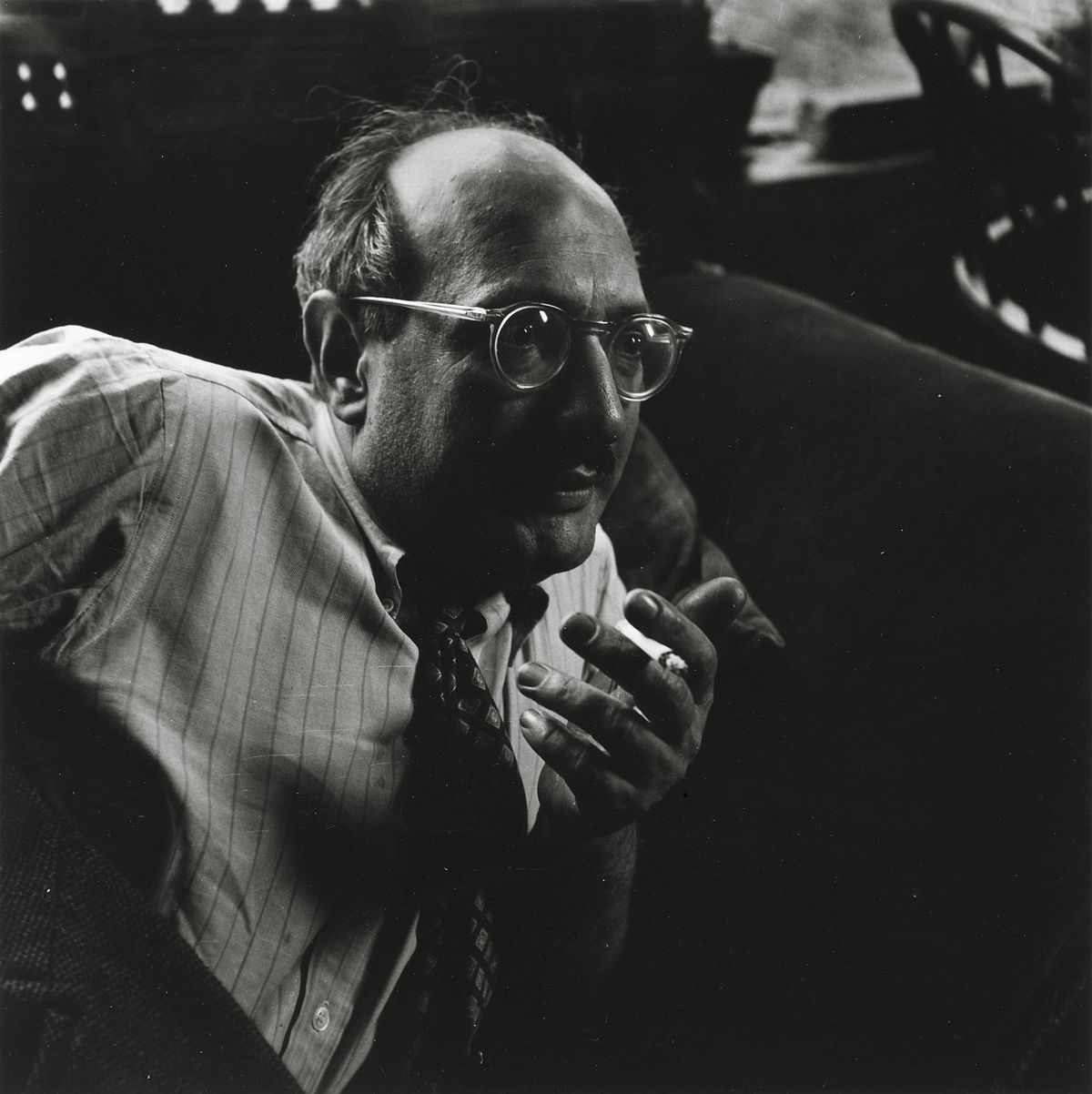
1903 - 1970 , Latvia
Unveil the visceral power of Abstract Expressionism. Our expert exploration delves into the transformative legacies of Pollock, Rothko, and De Kooning, offering discerning collectors a profound understanding of the New York School’s enduring mastery and historical impact.

 Katso seinällä
 Lähetä
 Jaa
Jaa
 Tarkemmat tiedot
 Opas
Opas

 Lataa kuva
 Samanlaisia kohteita
 Röntgenkuvaus
 Diaesitys
 Tilastot
 Lue lisää









 Lasivaihtoehto on saatavilla vain alle 110 cm kokoisille teoksille


